Event Information
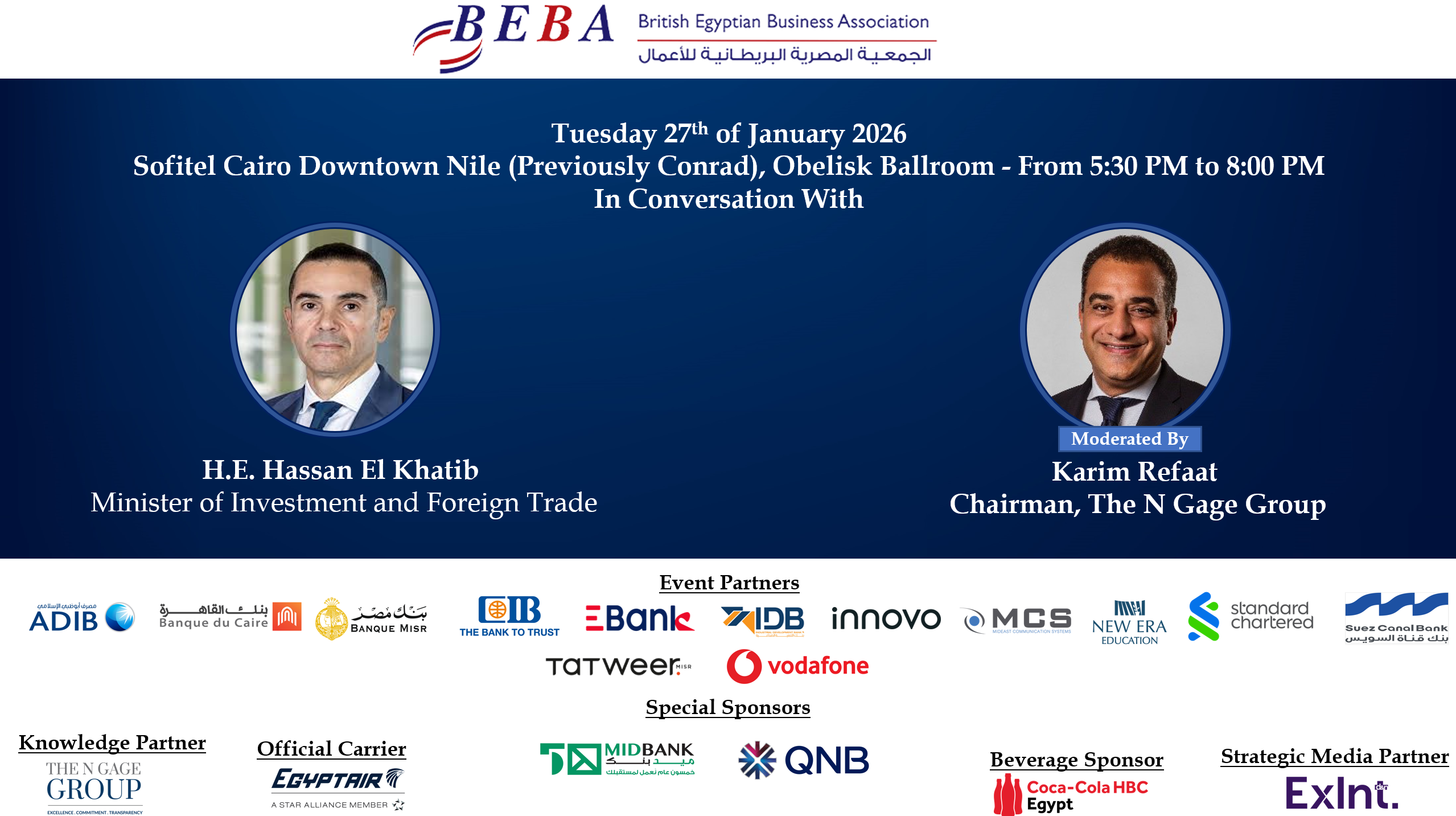
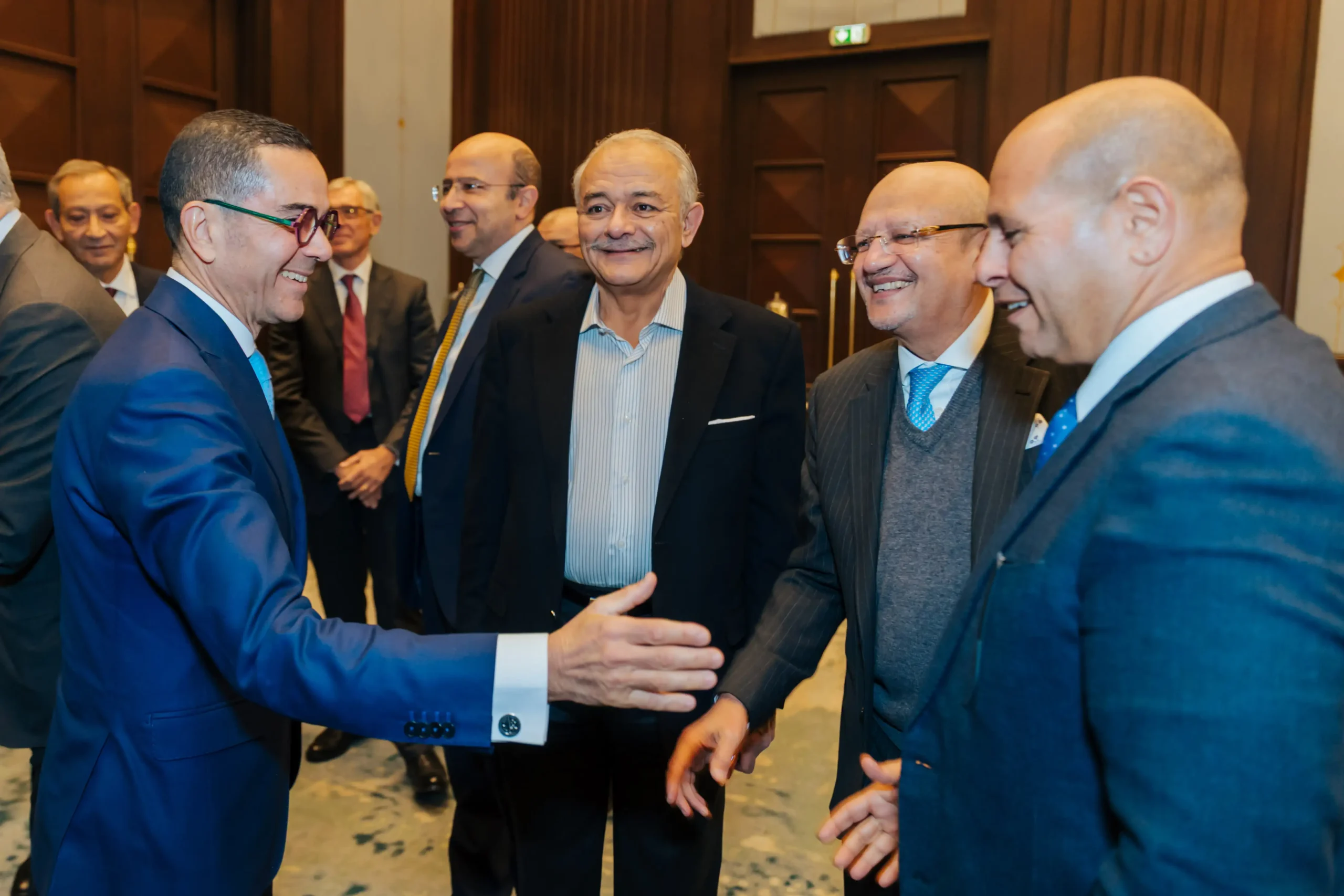
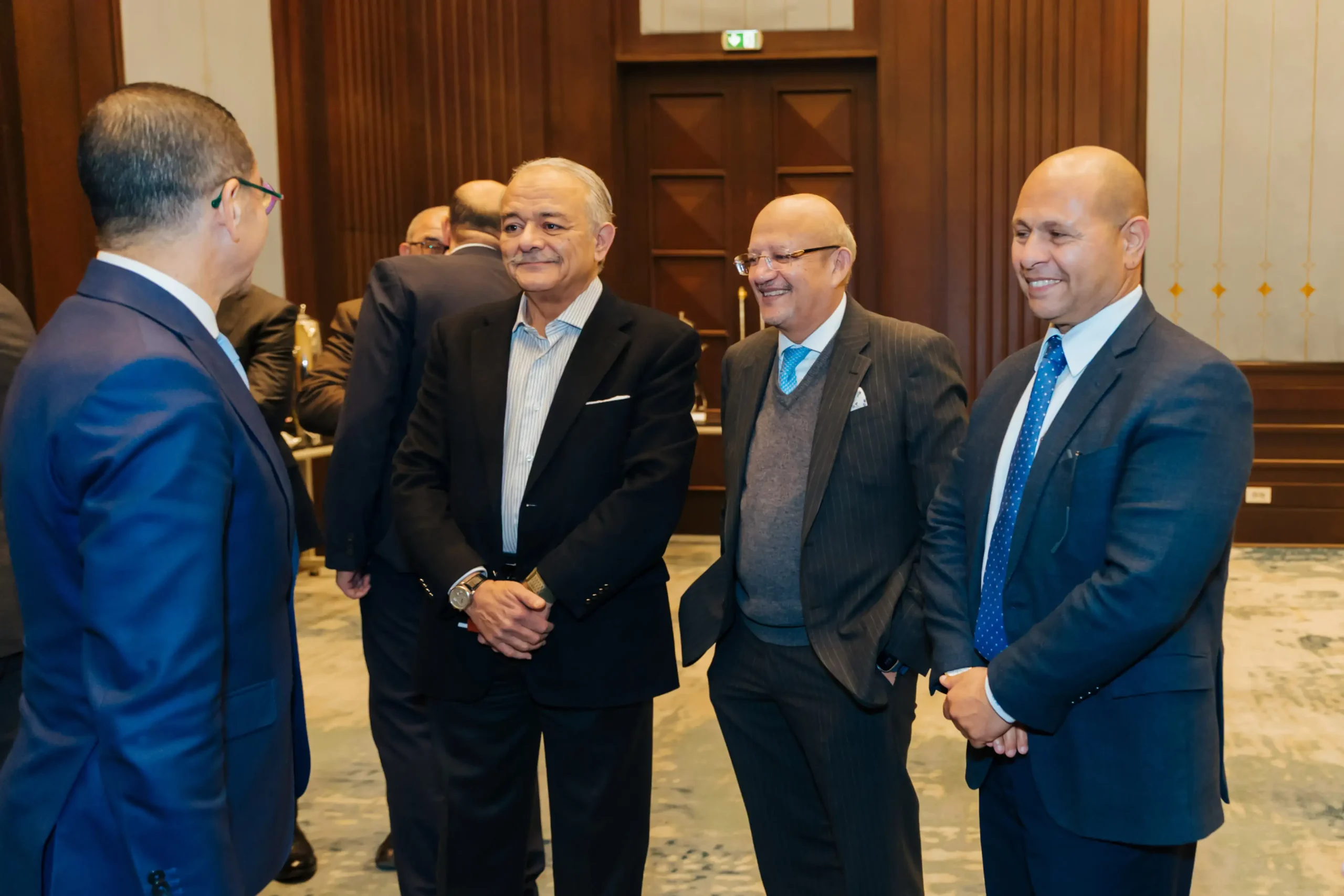
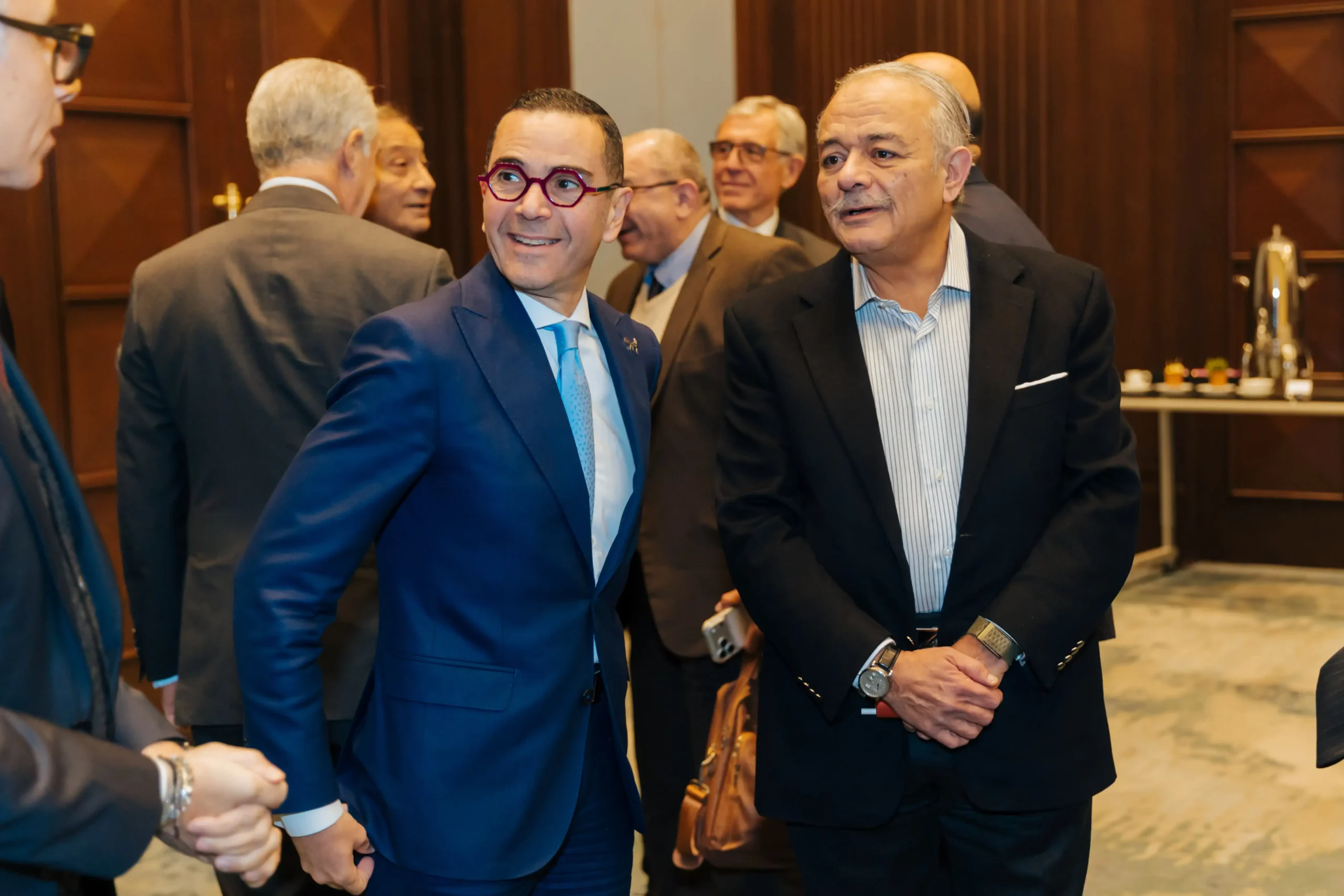
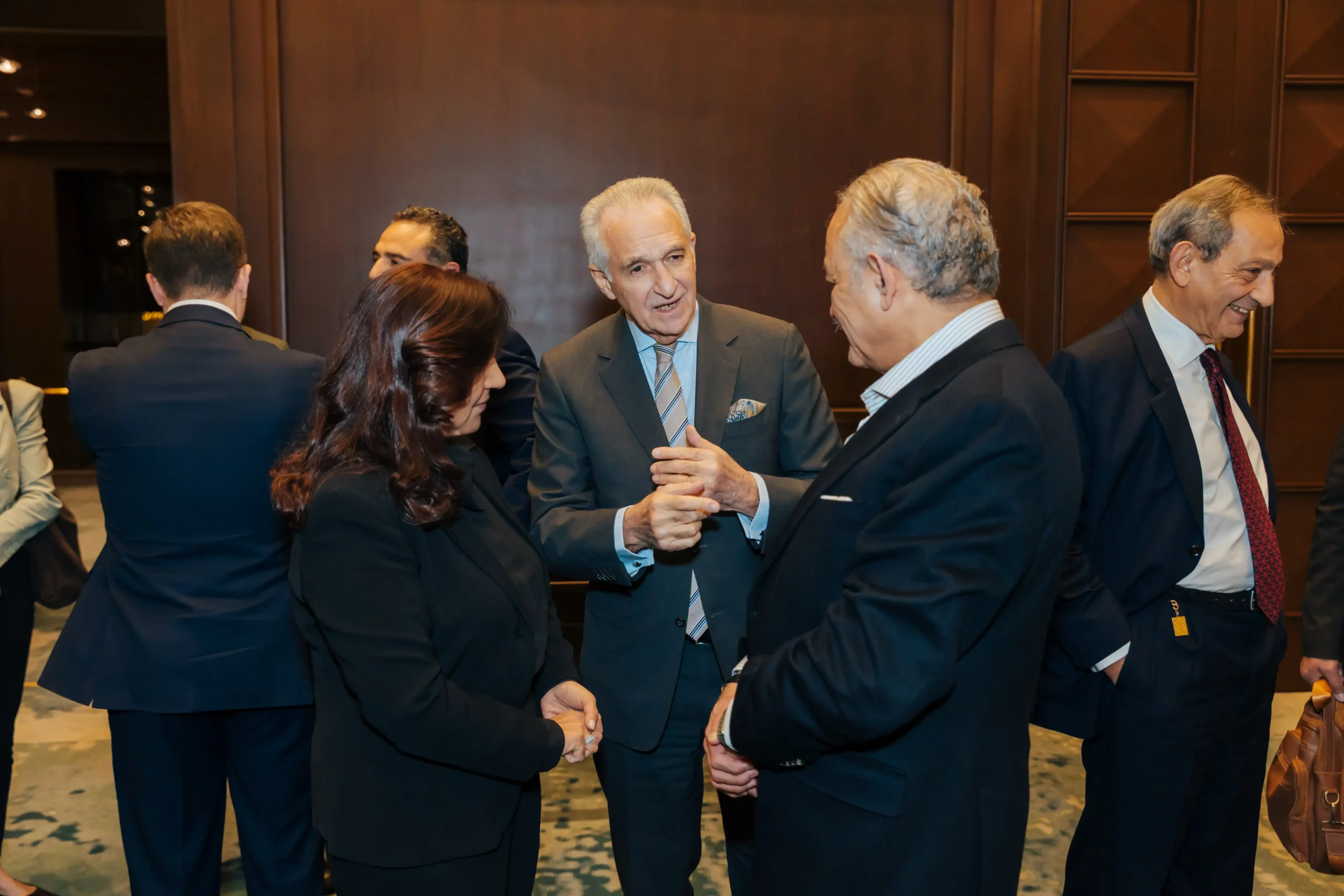
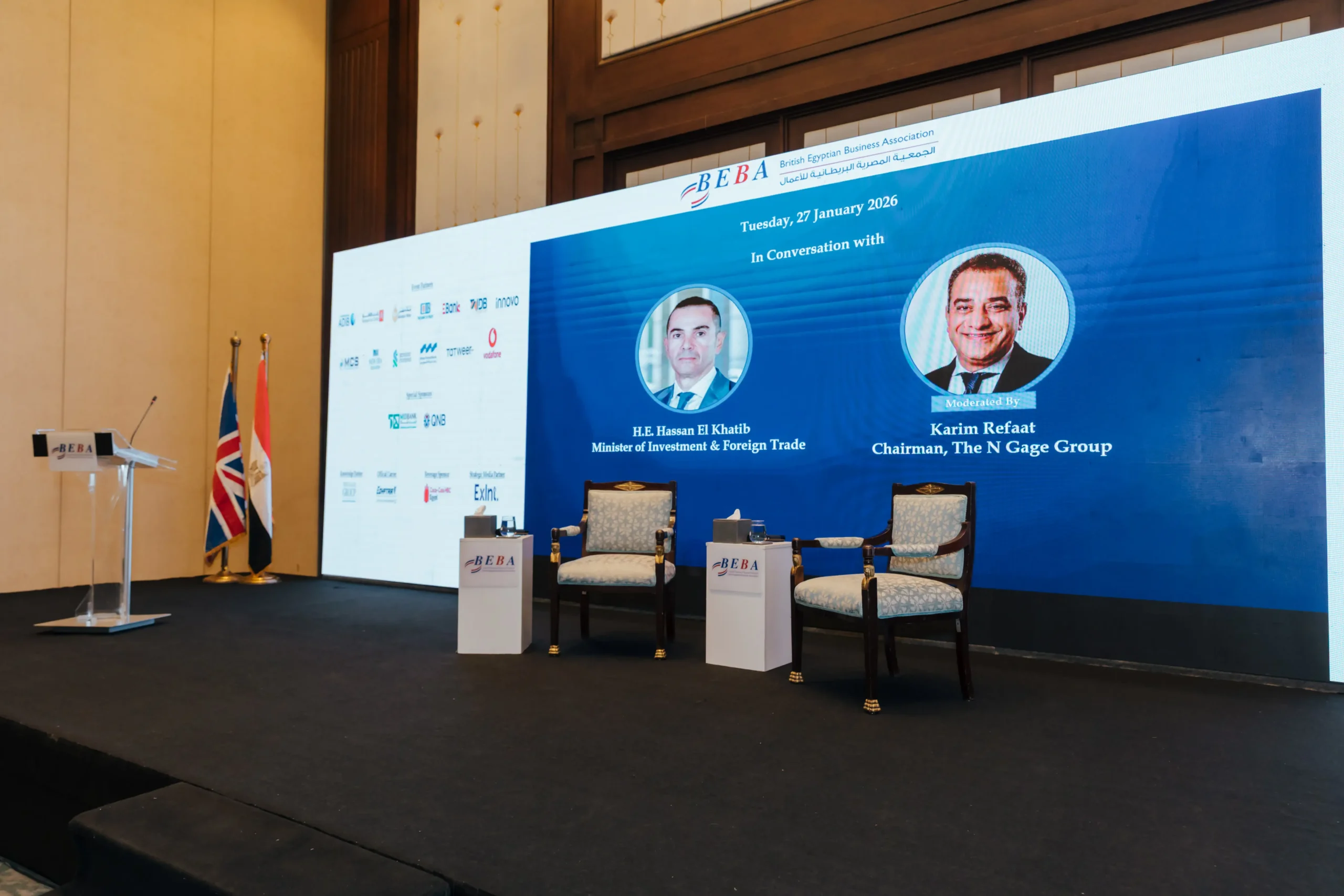
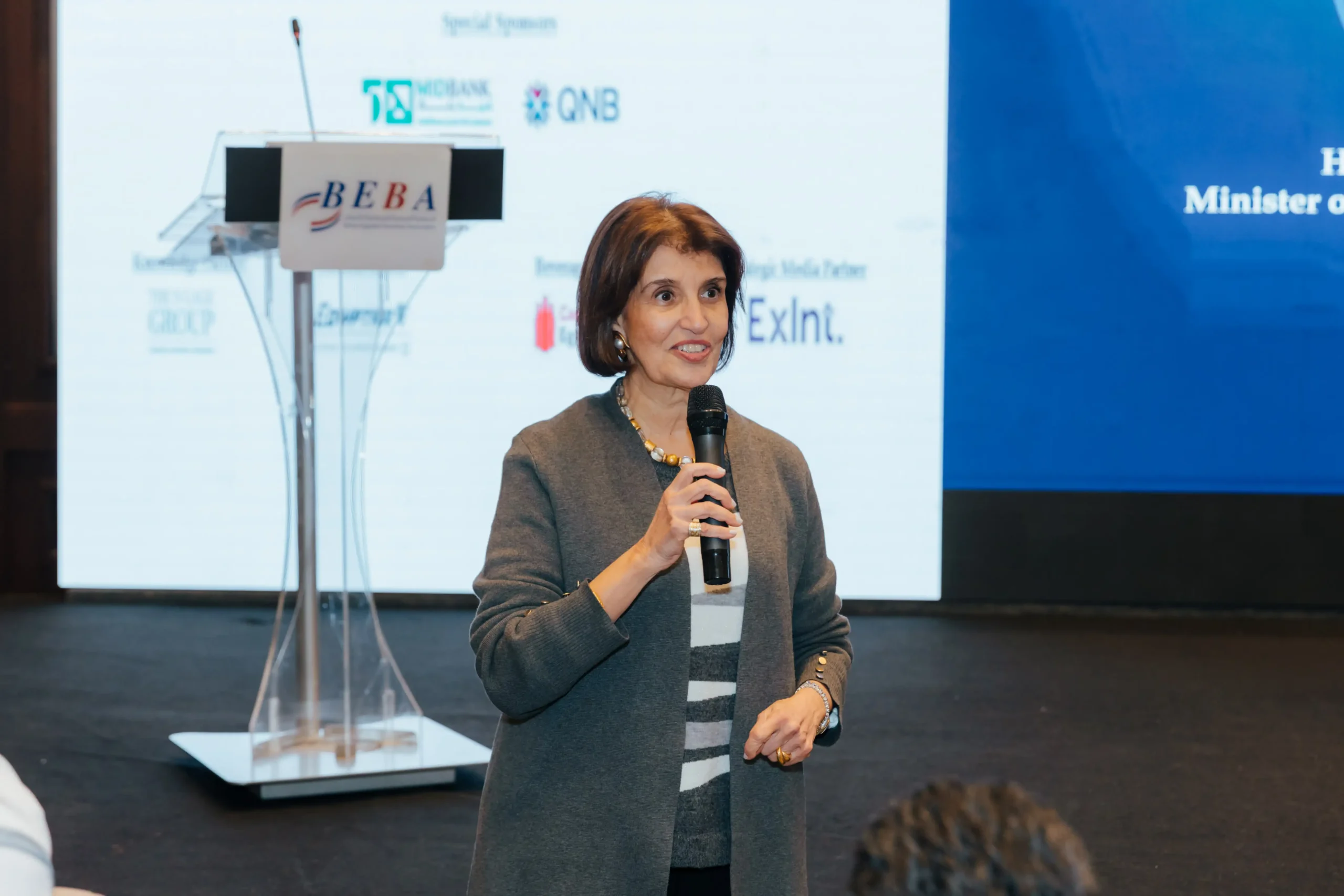
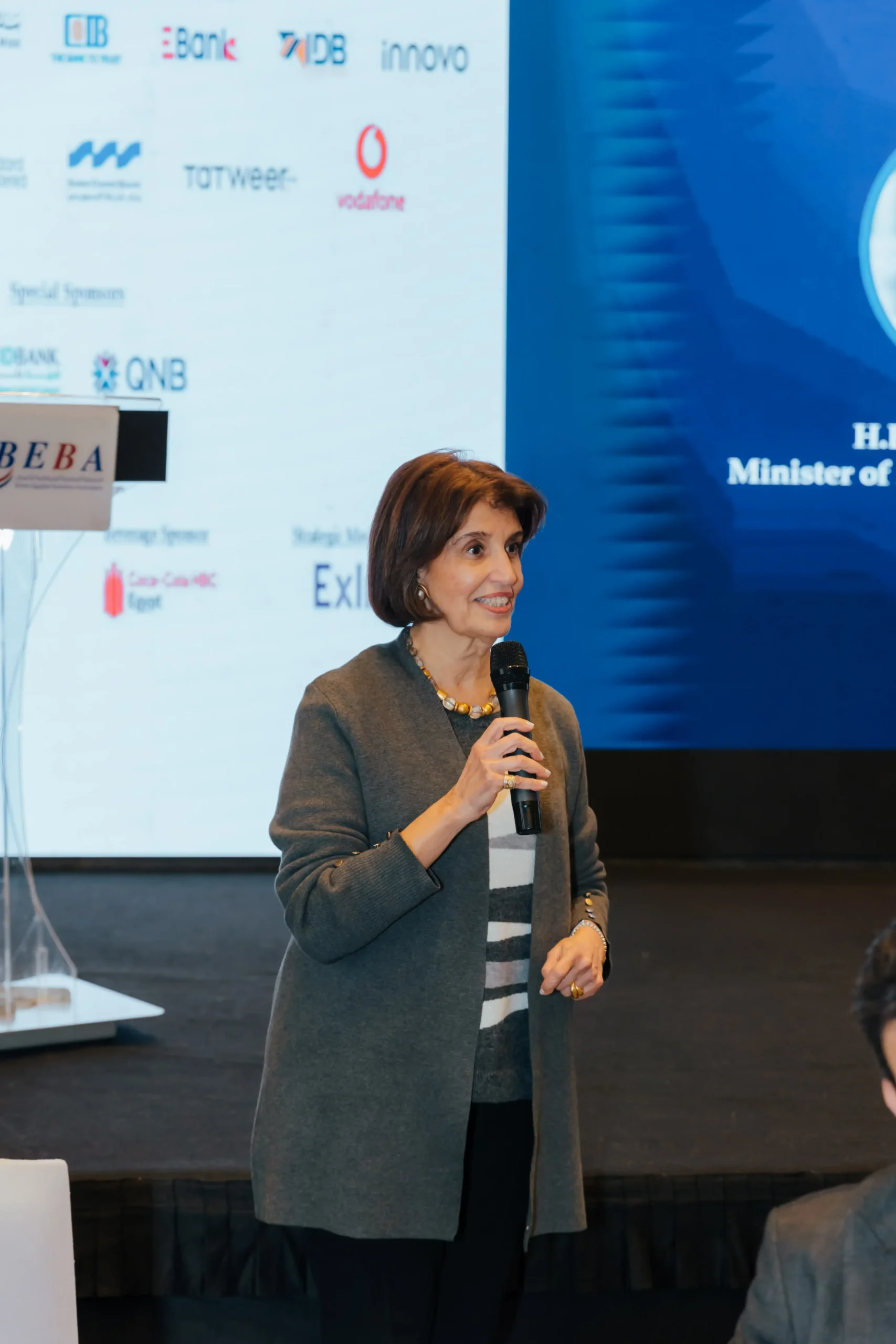
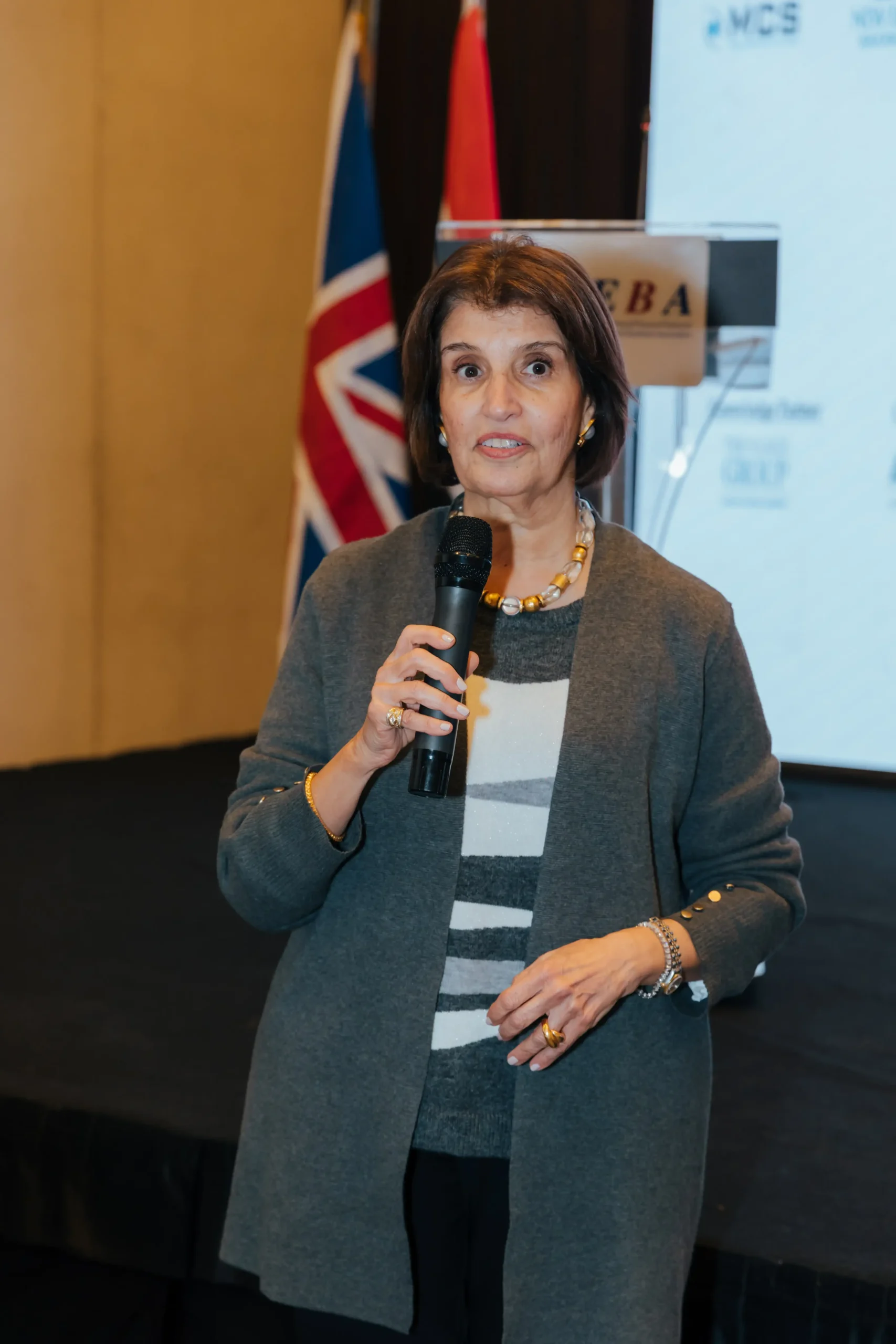
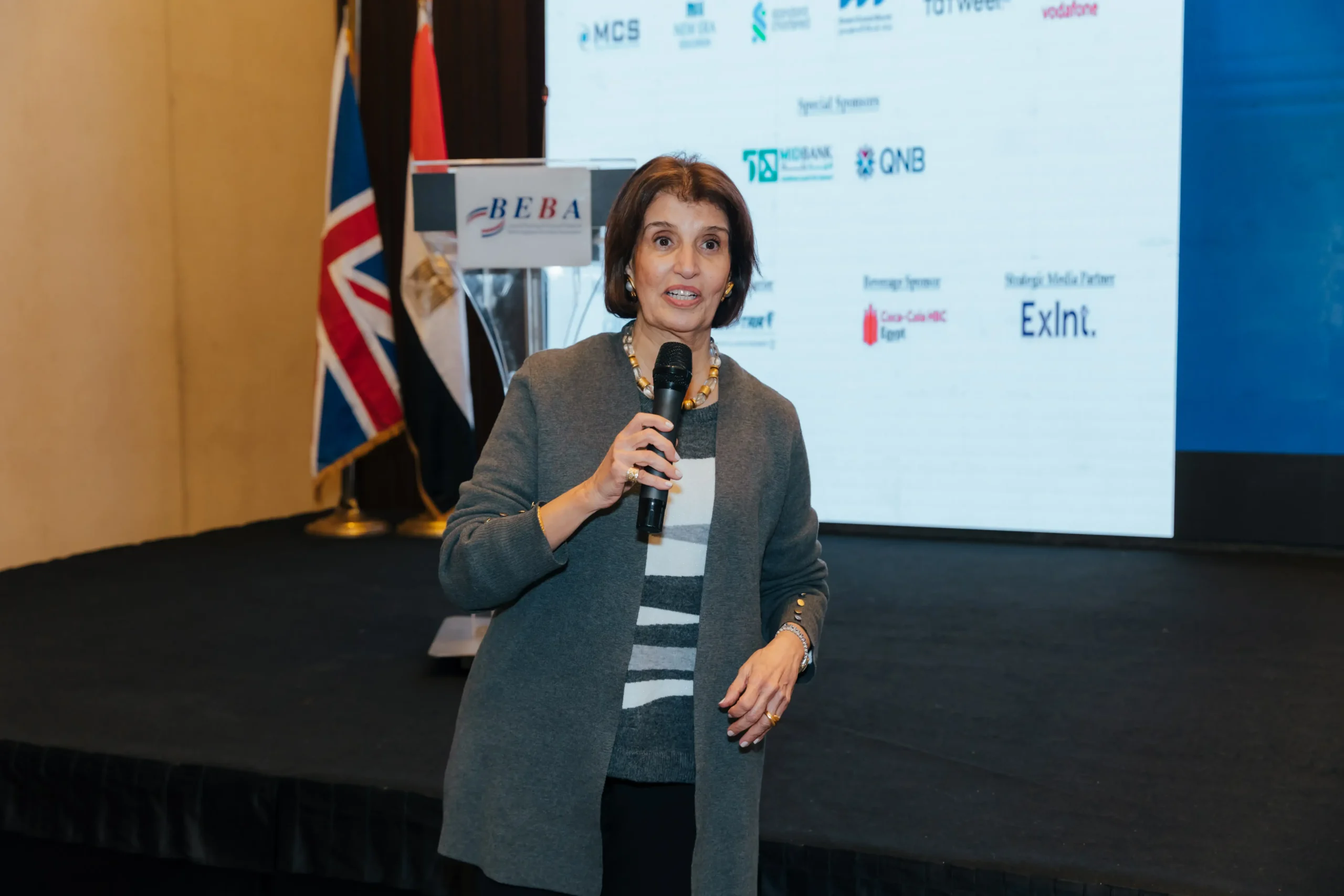
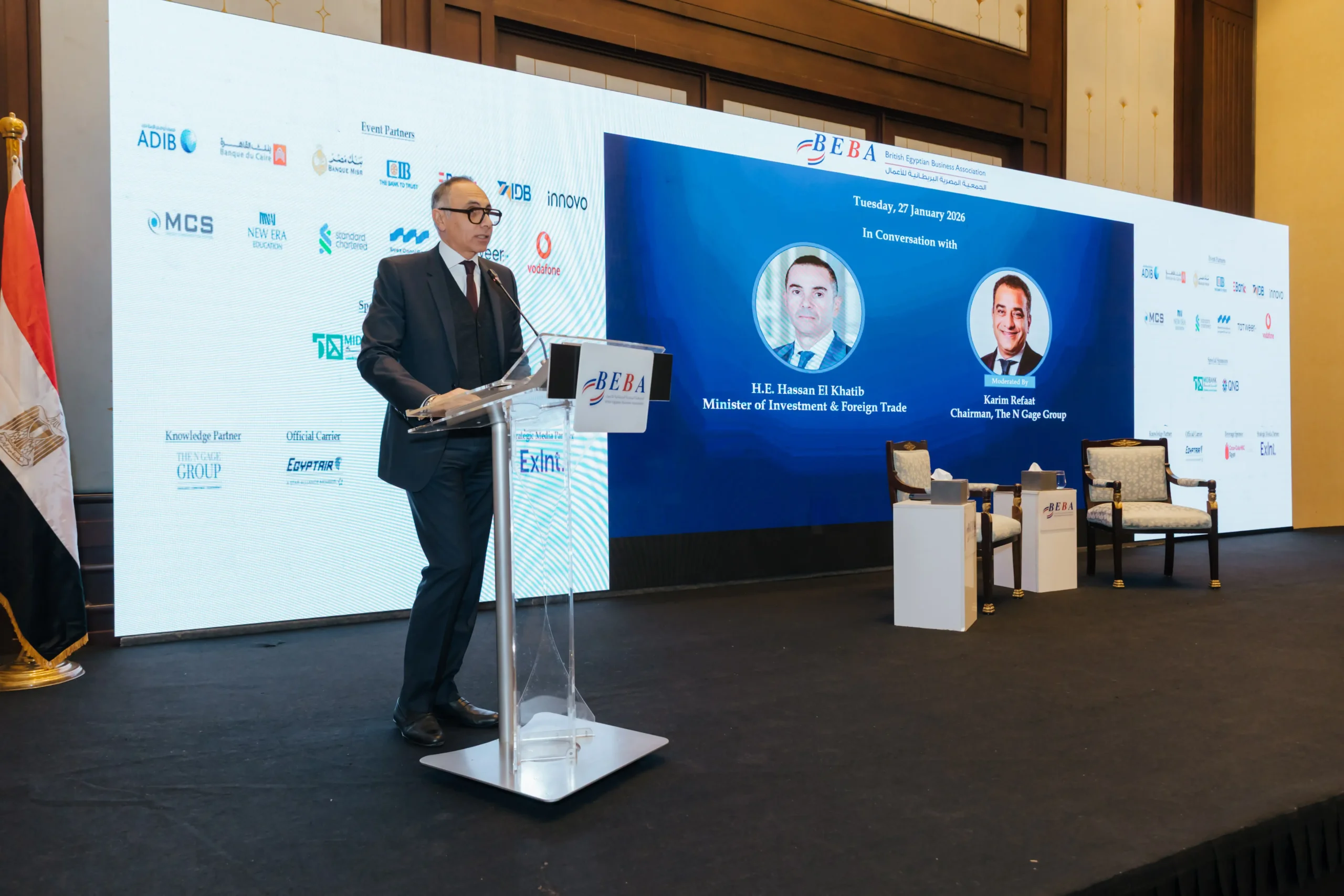
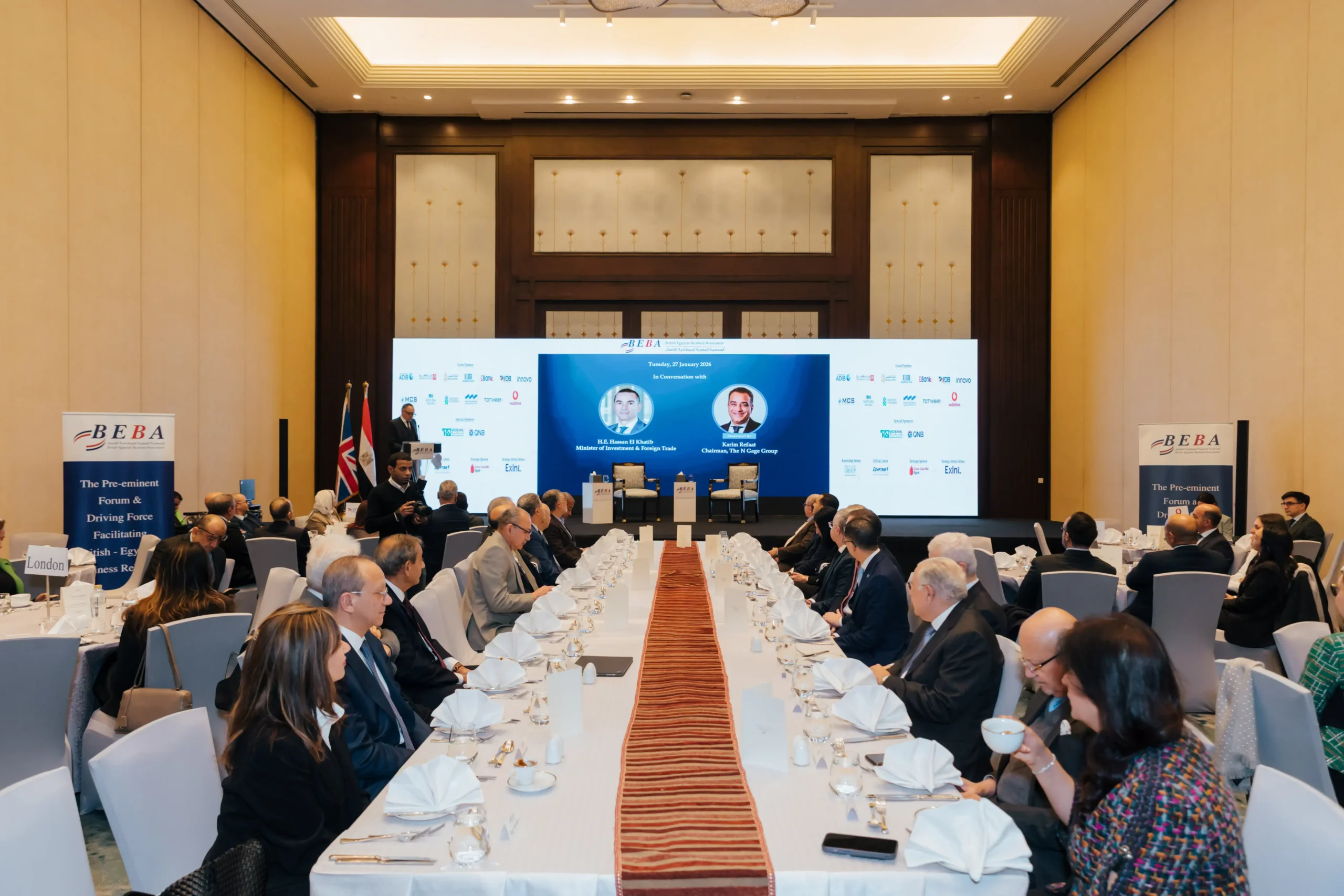
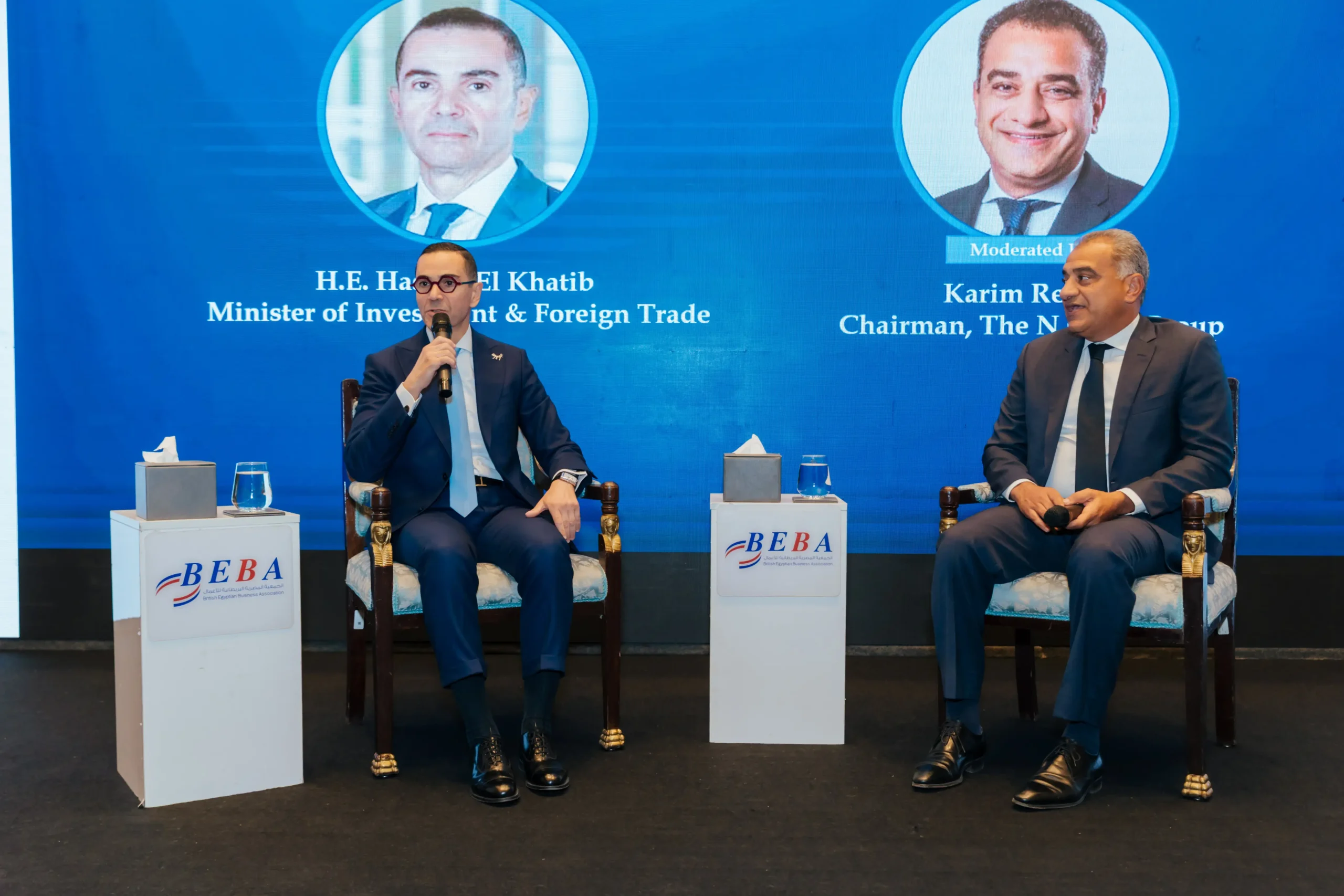
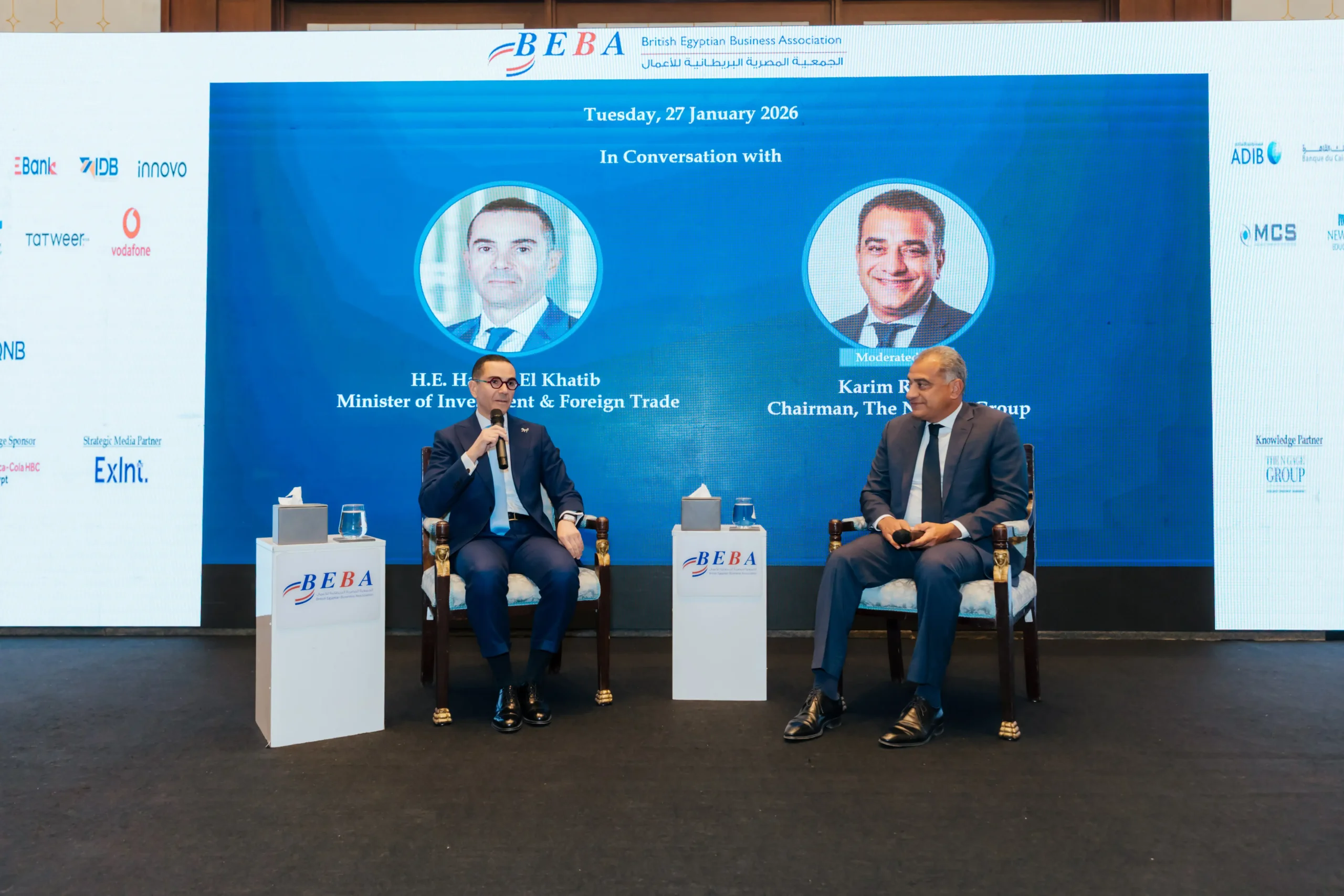
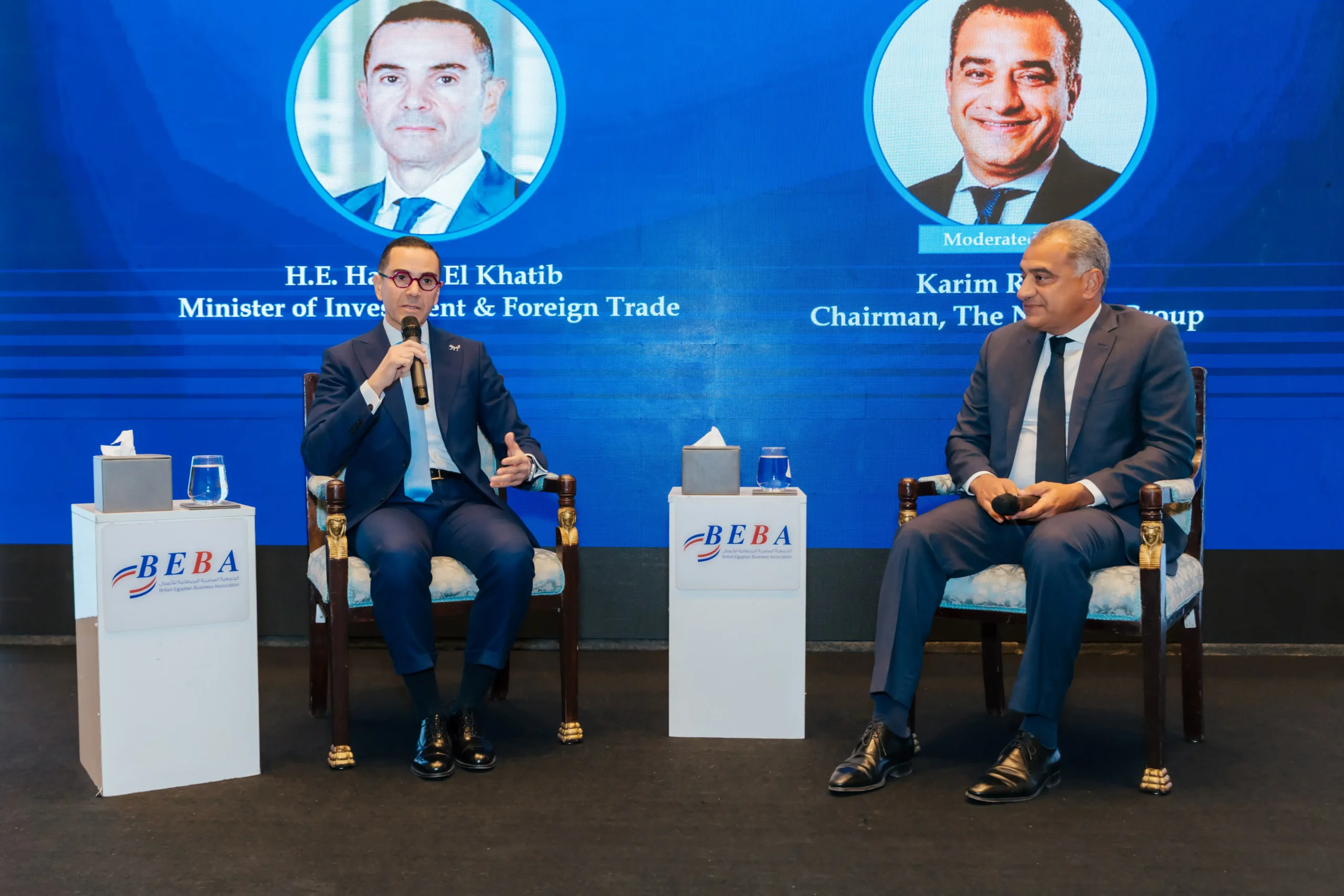
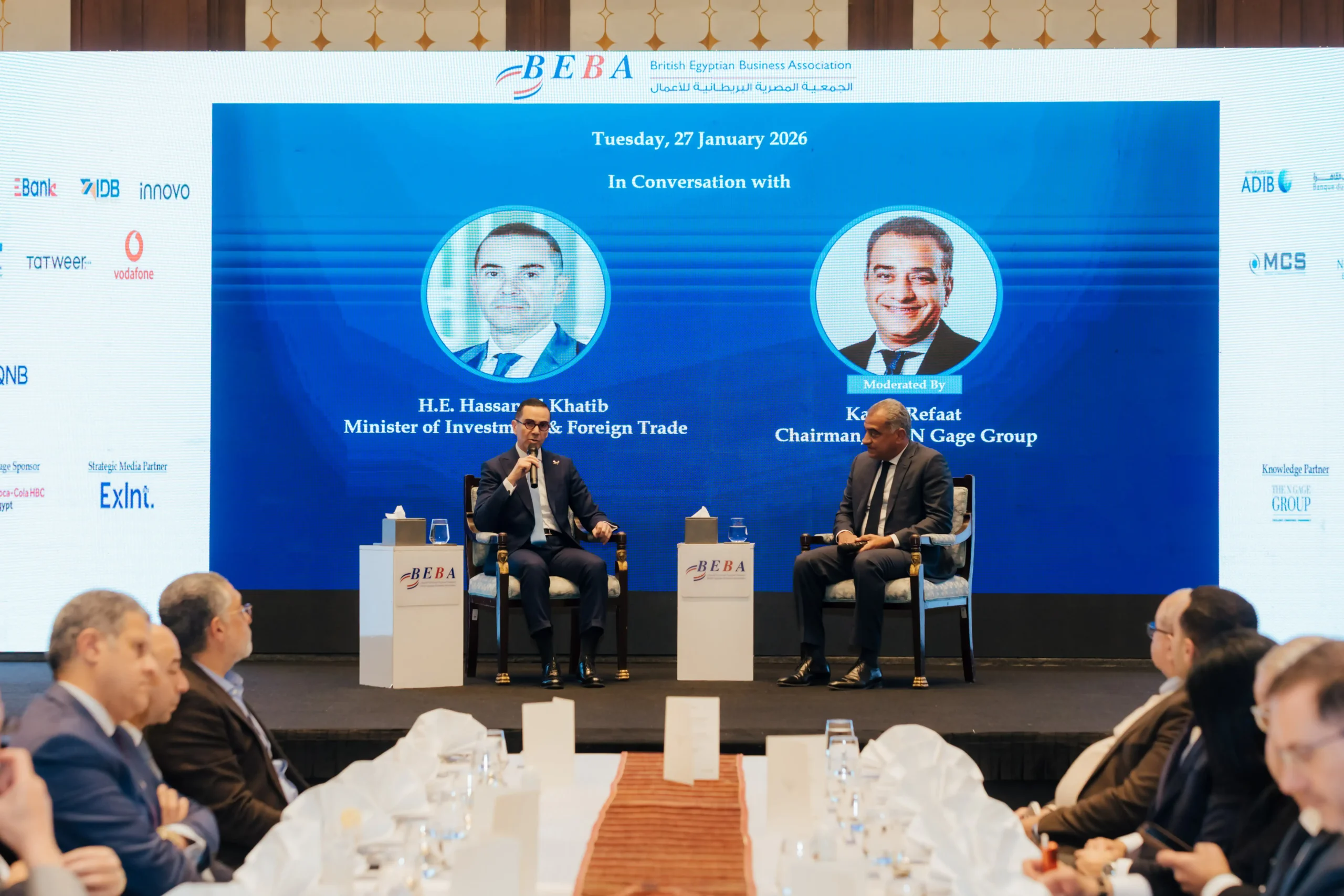
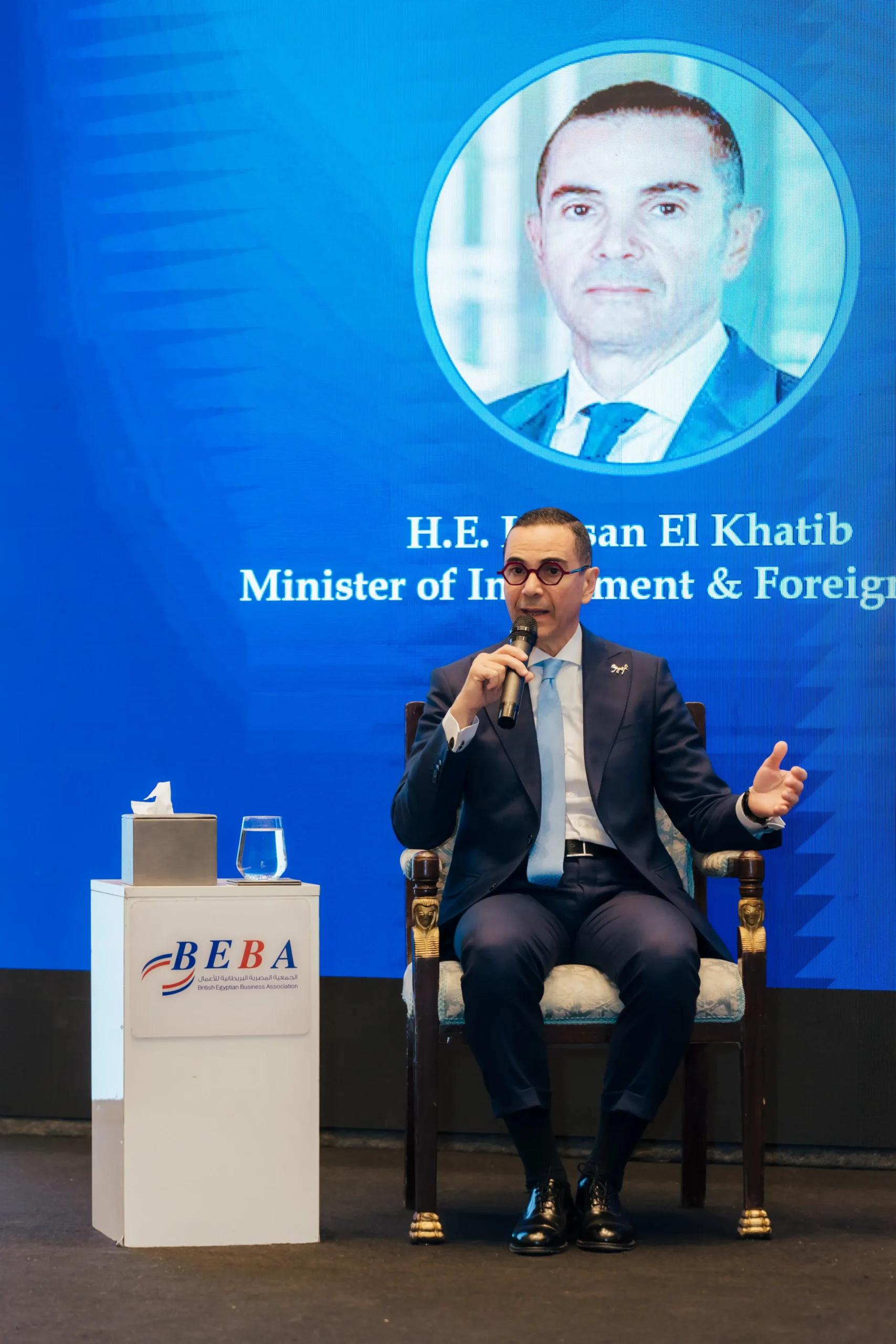
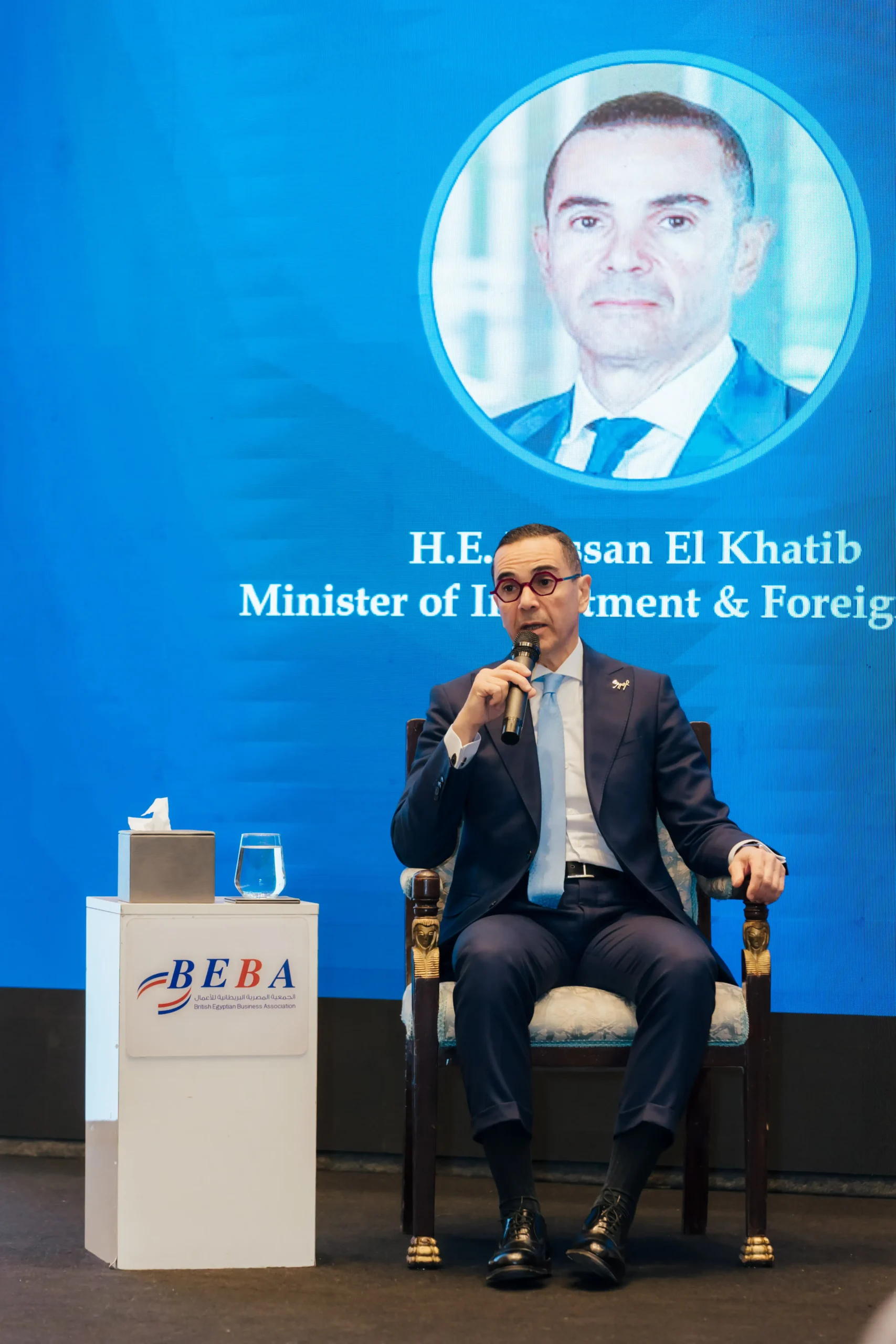
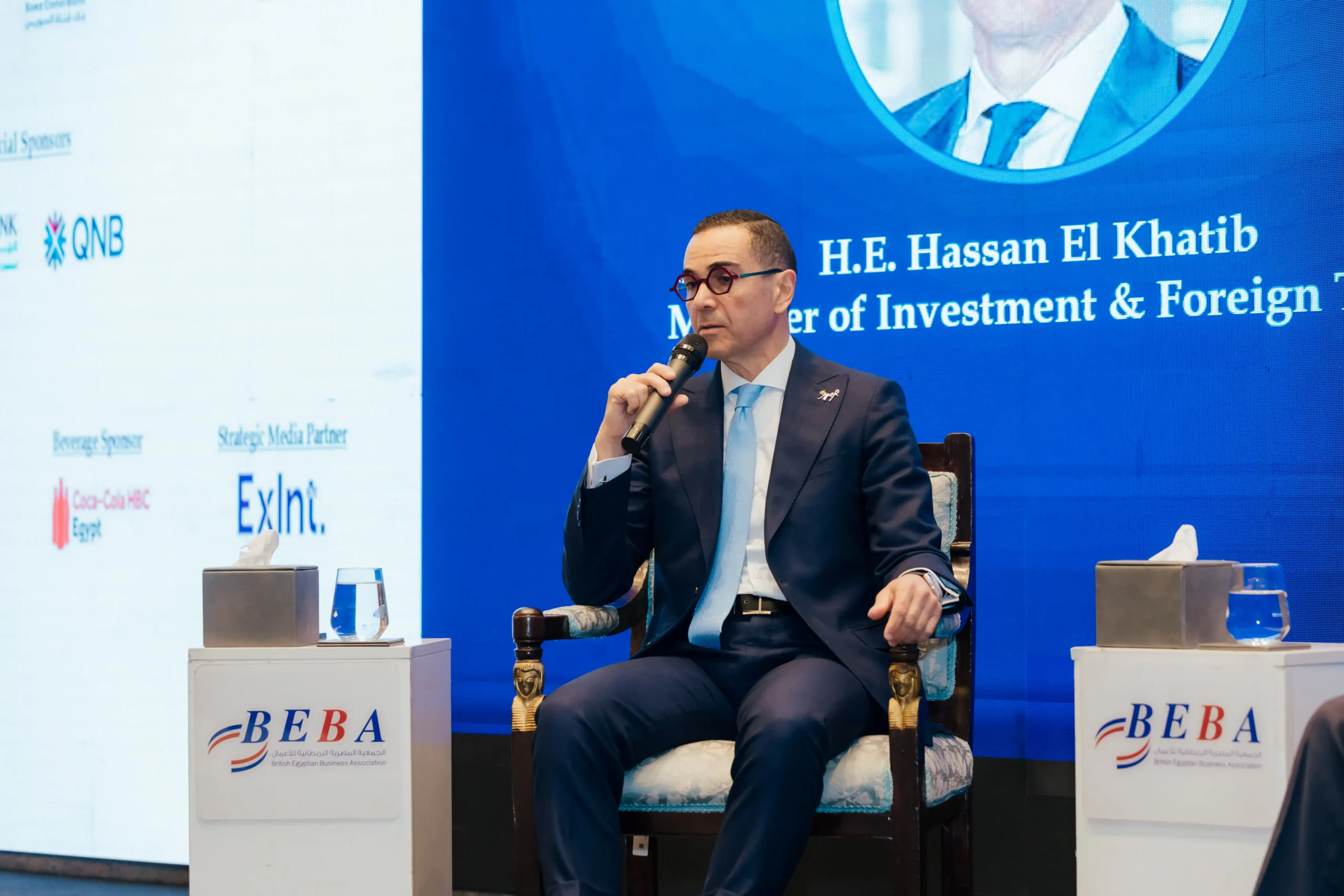
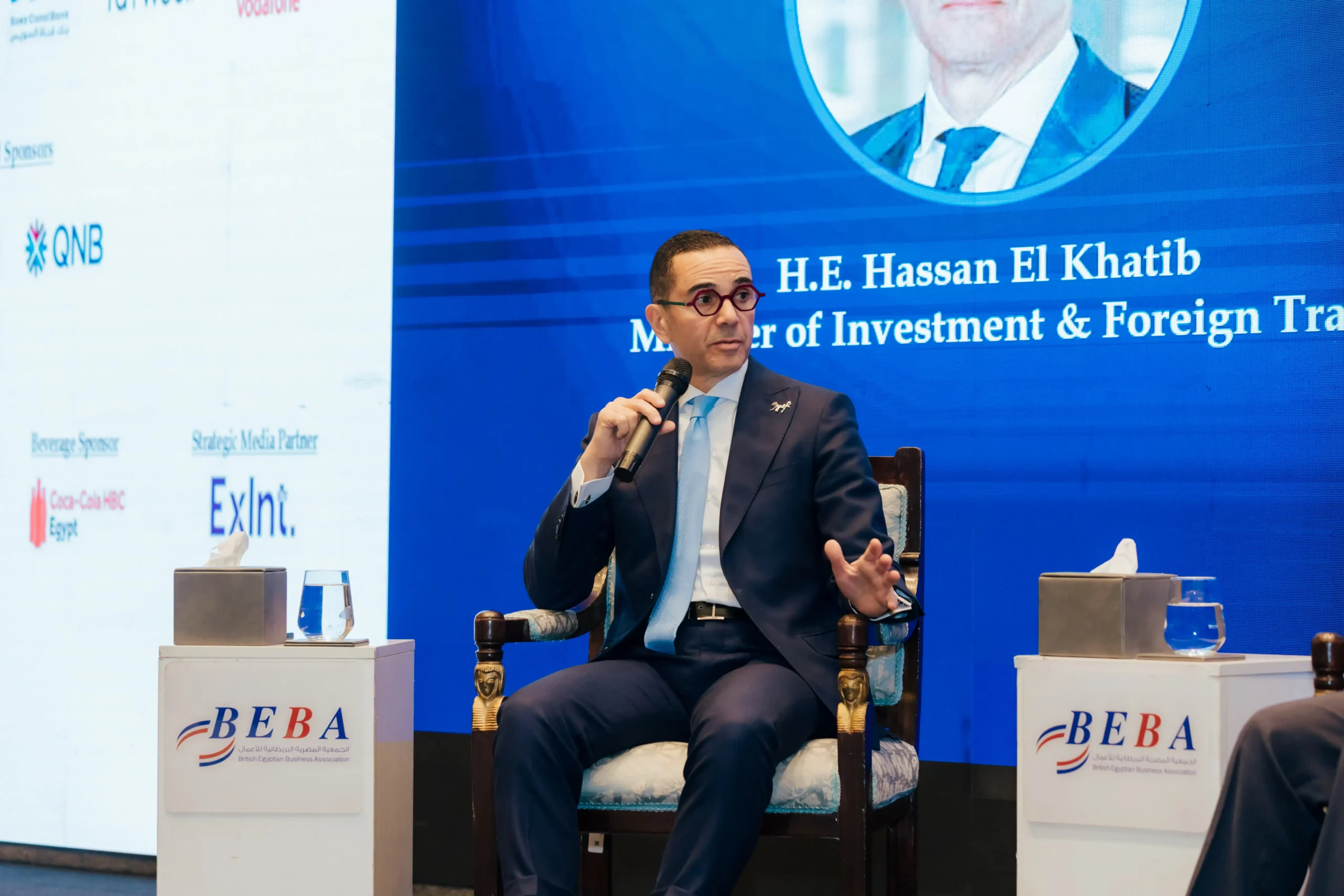
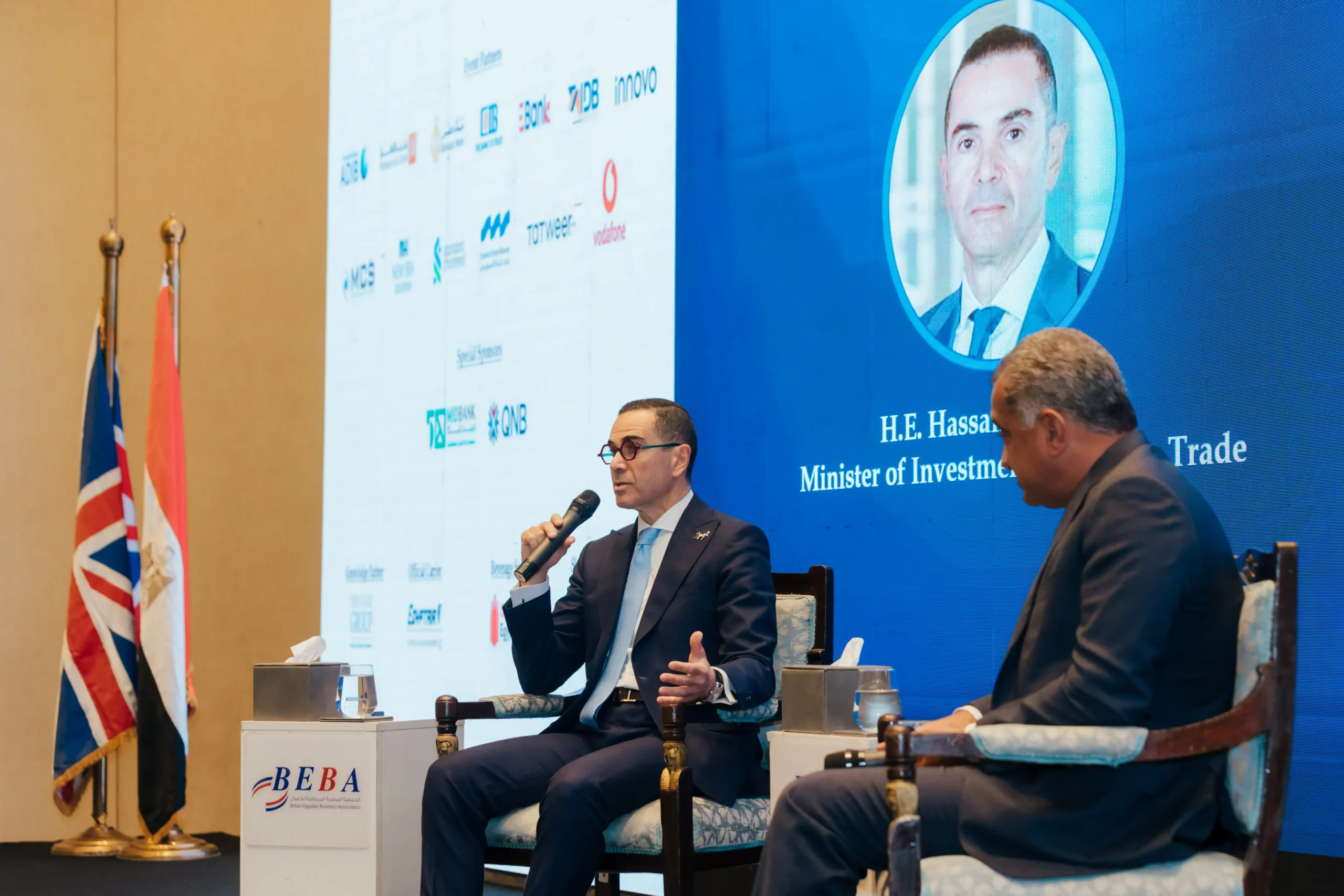
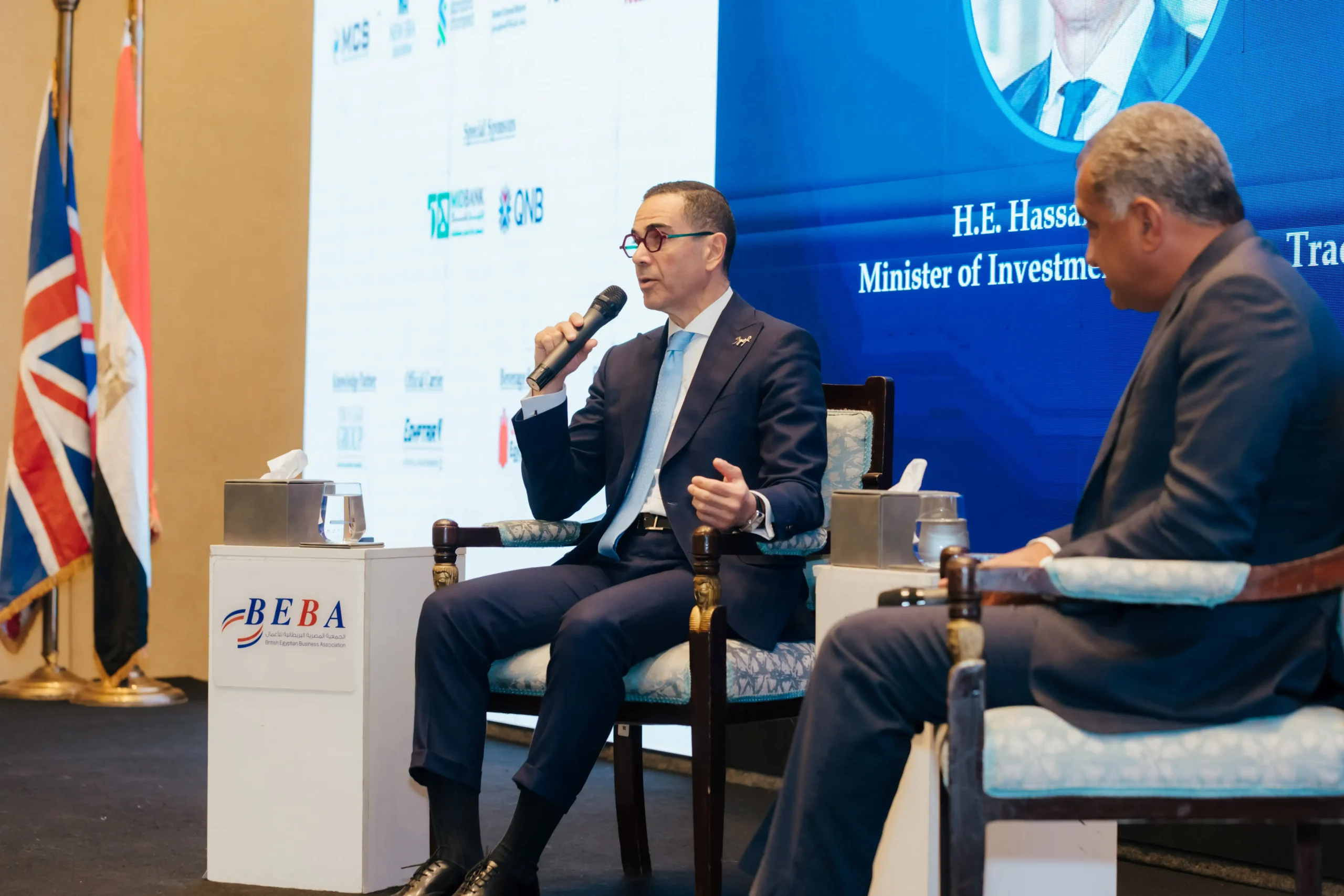
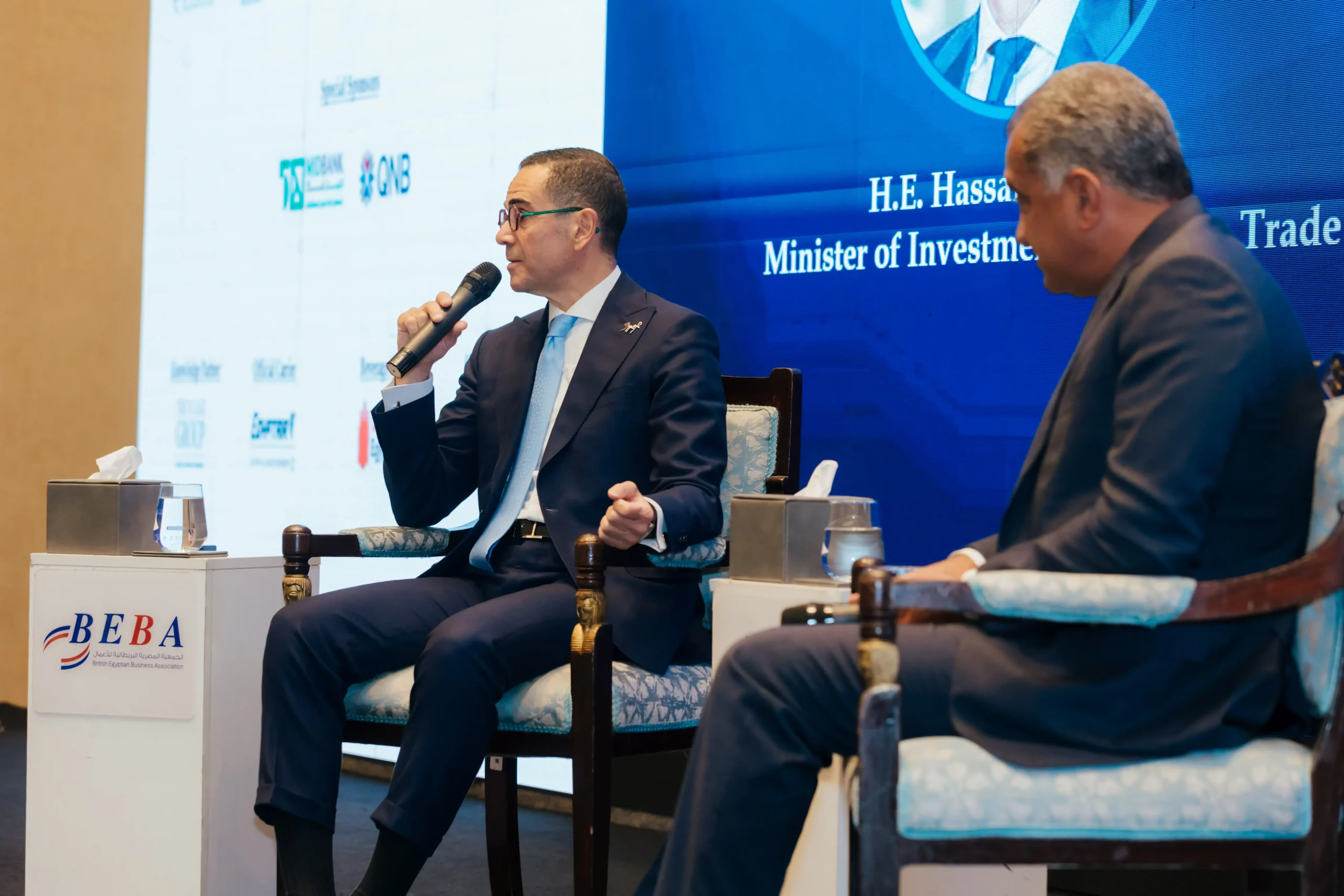
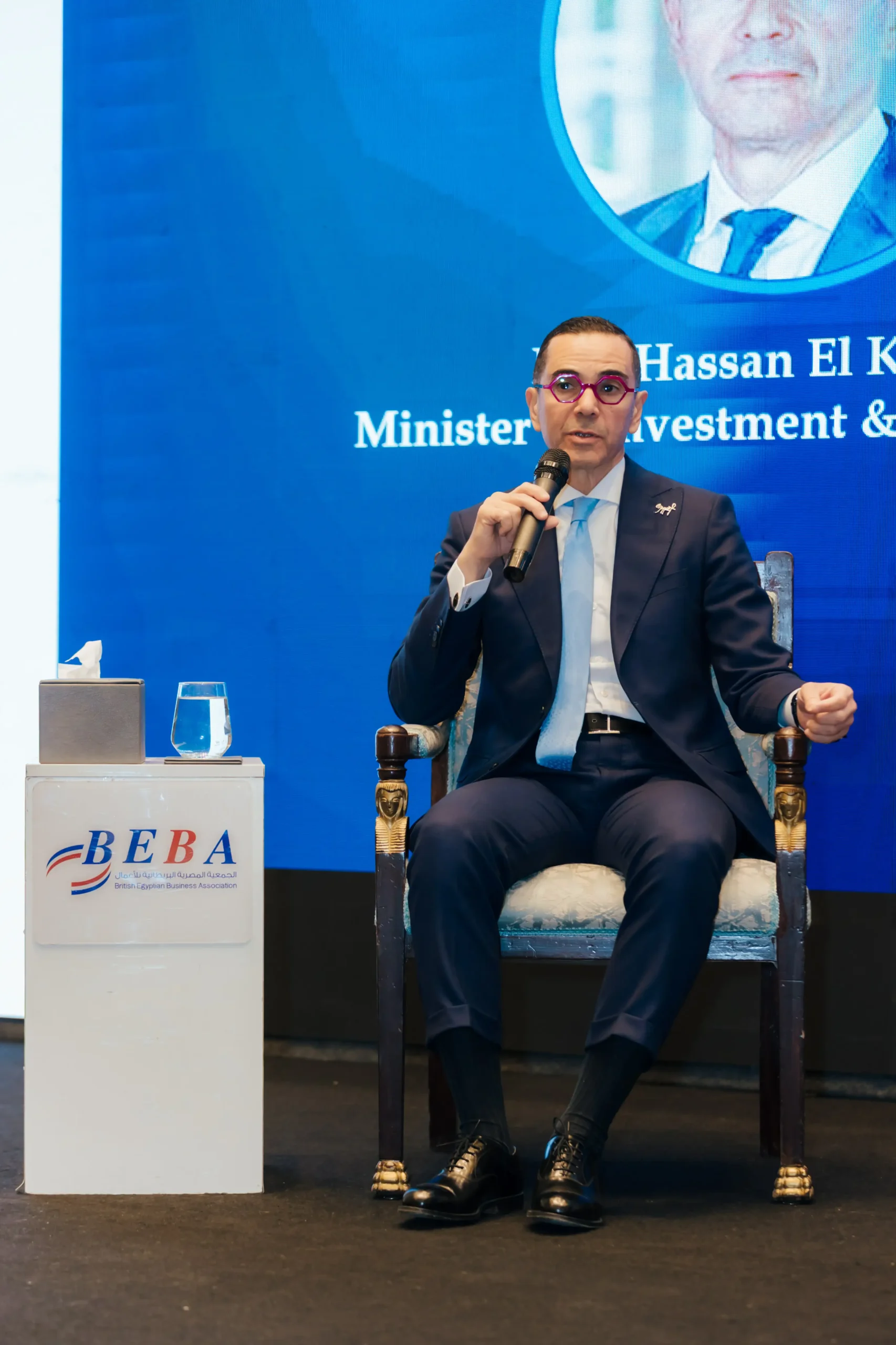
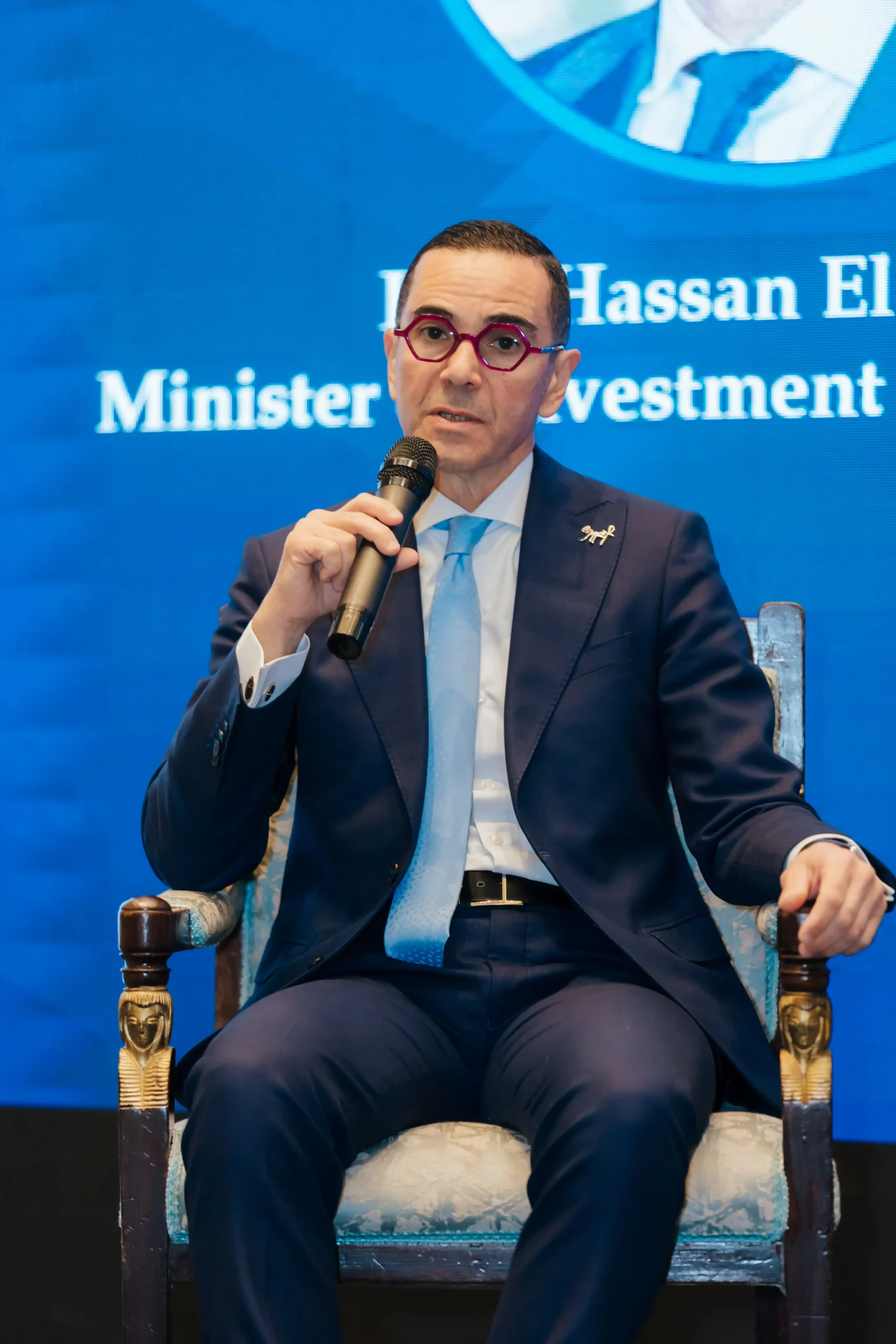
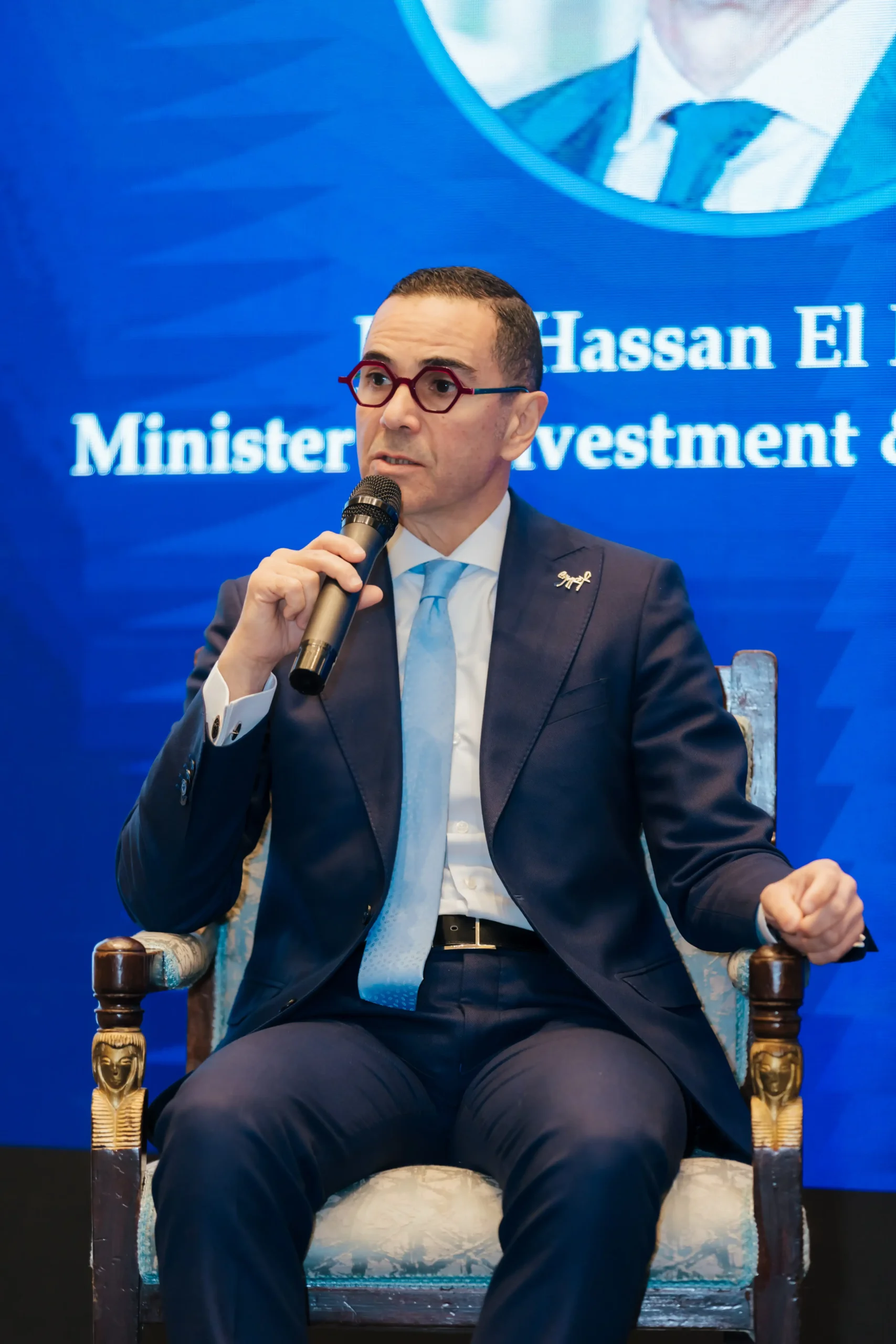
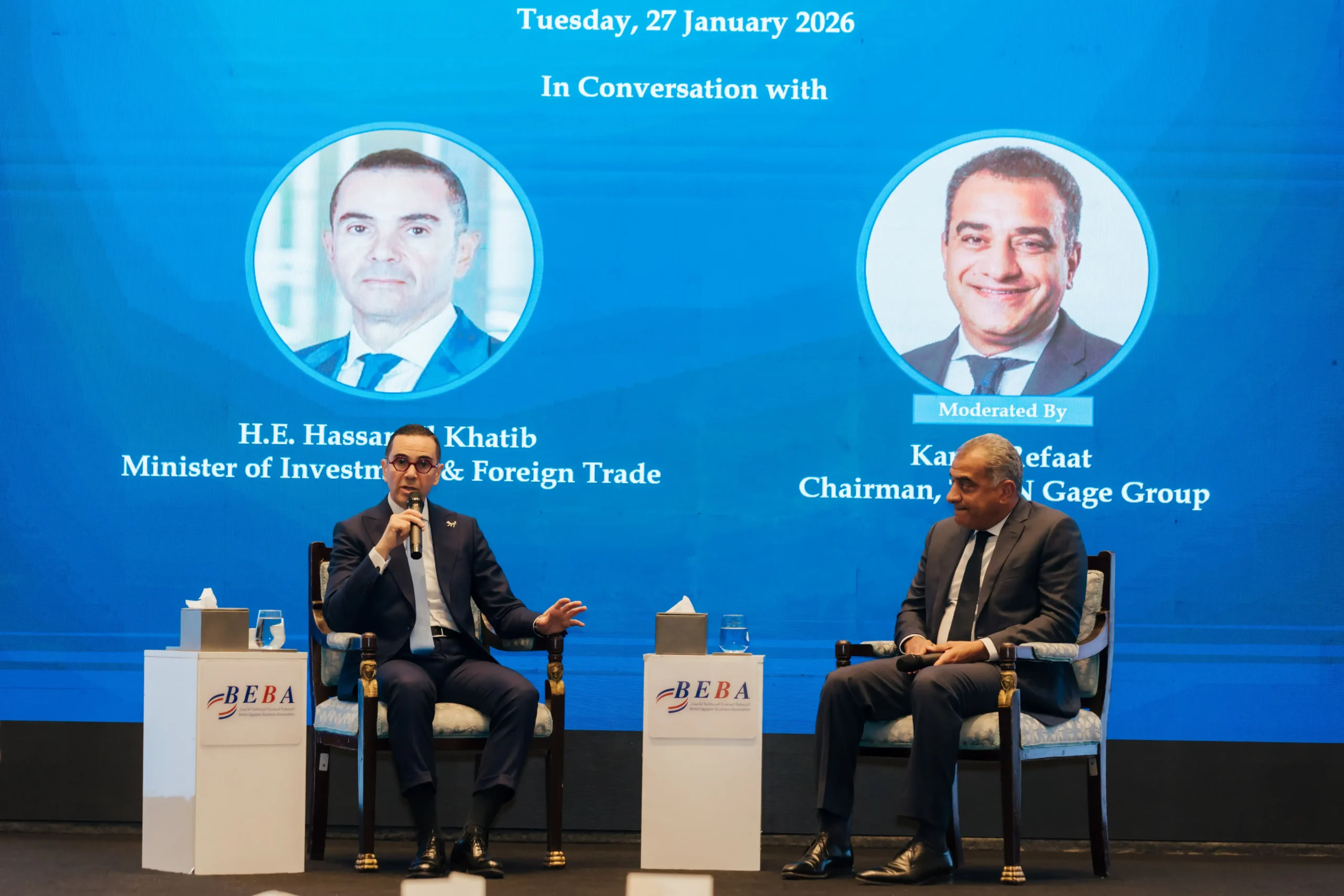
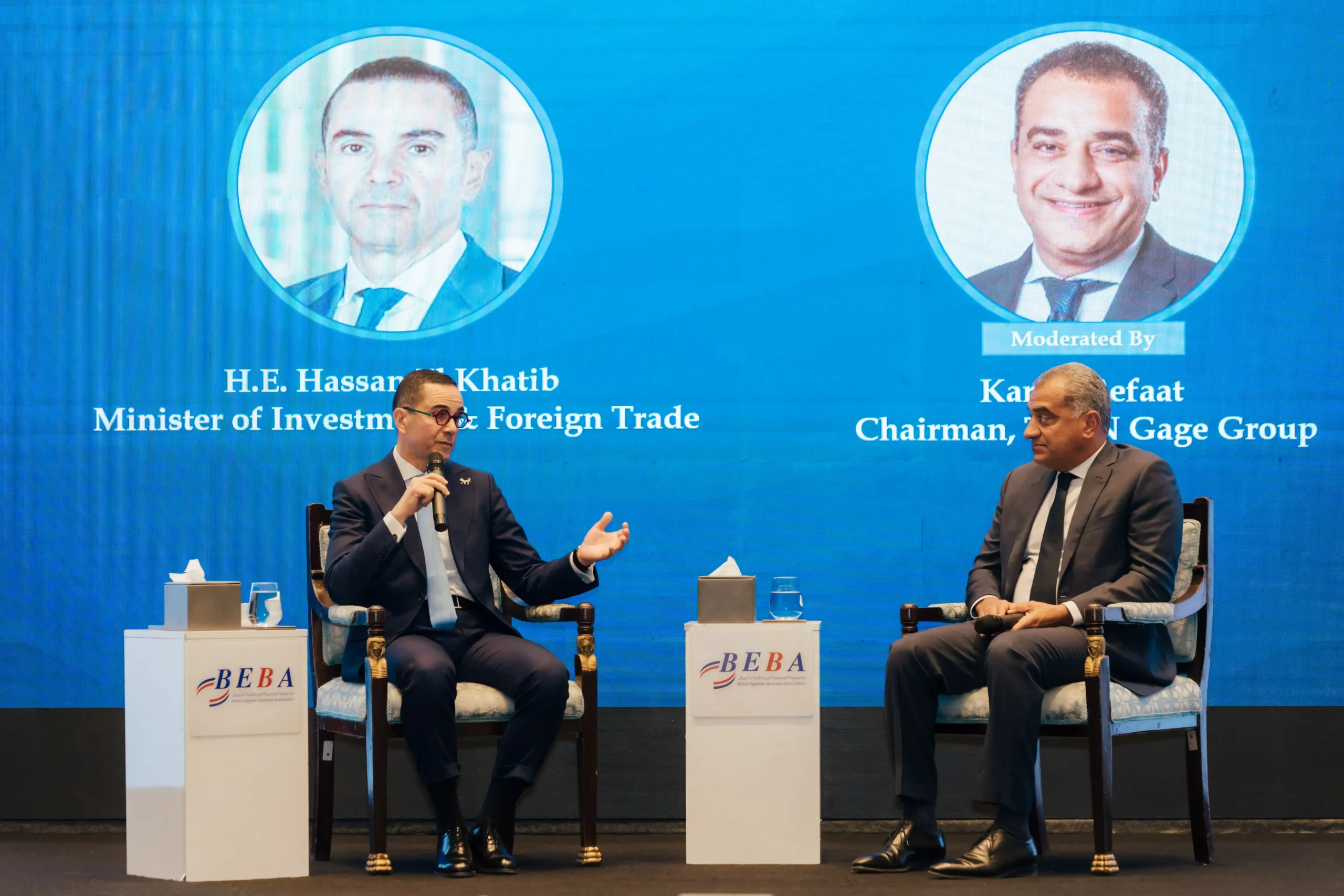
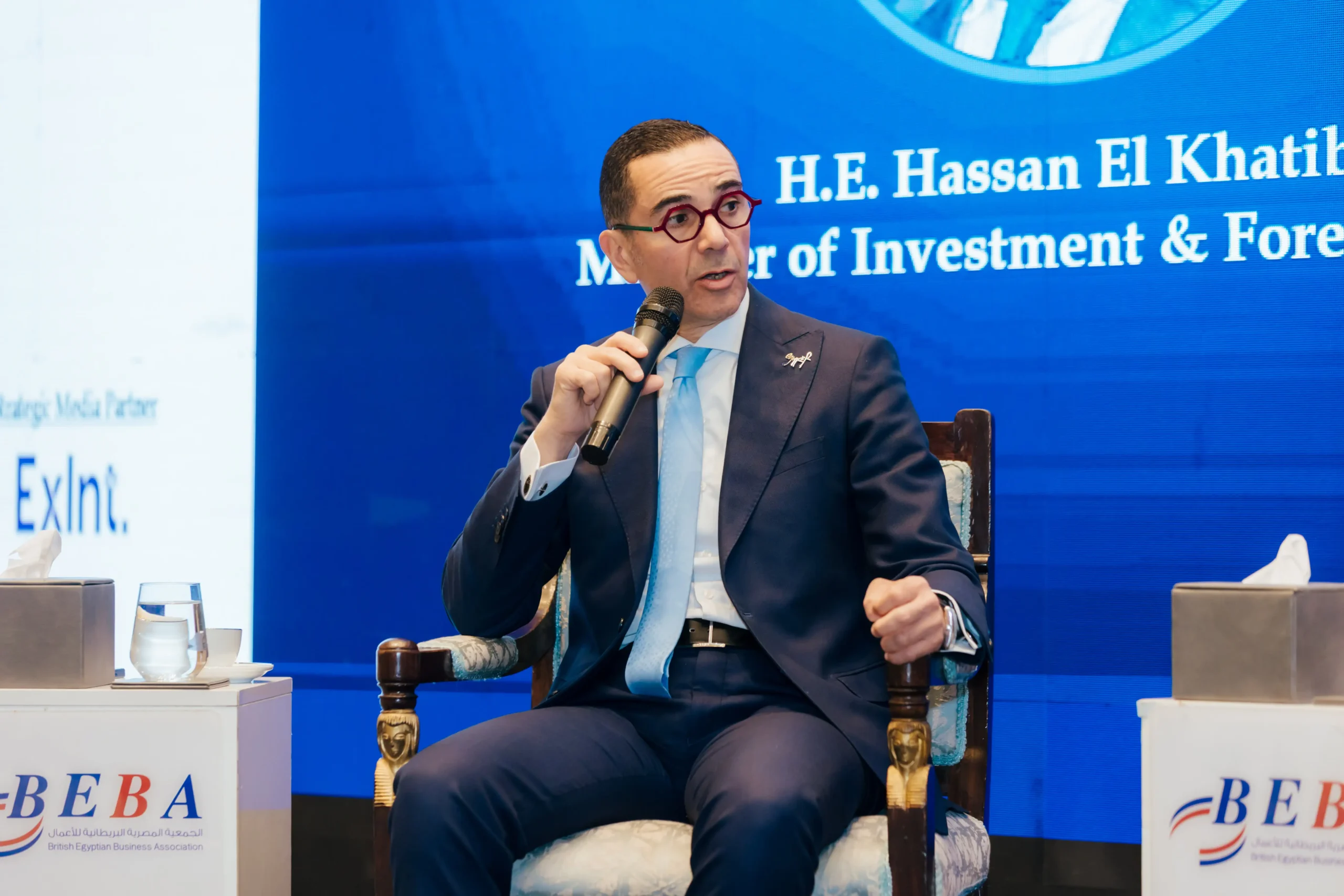
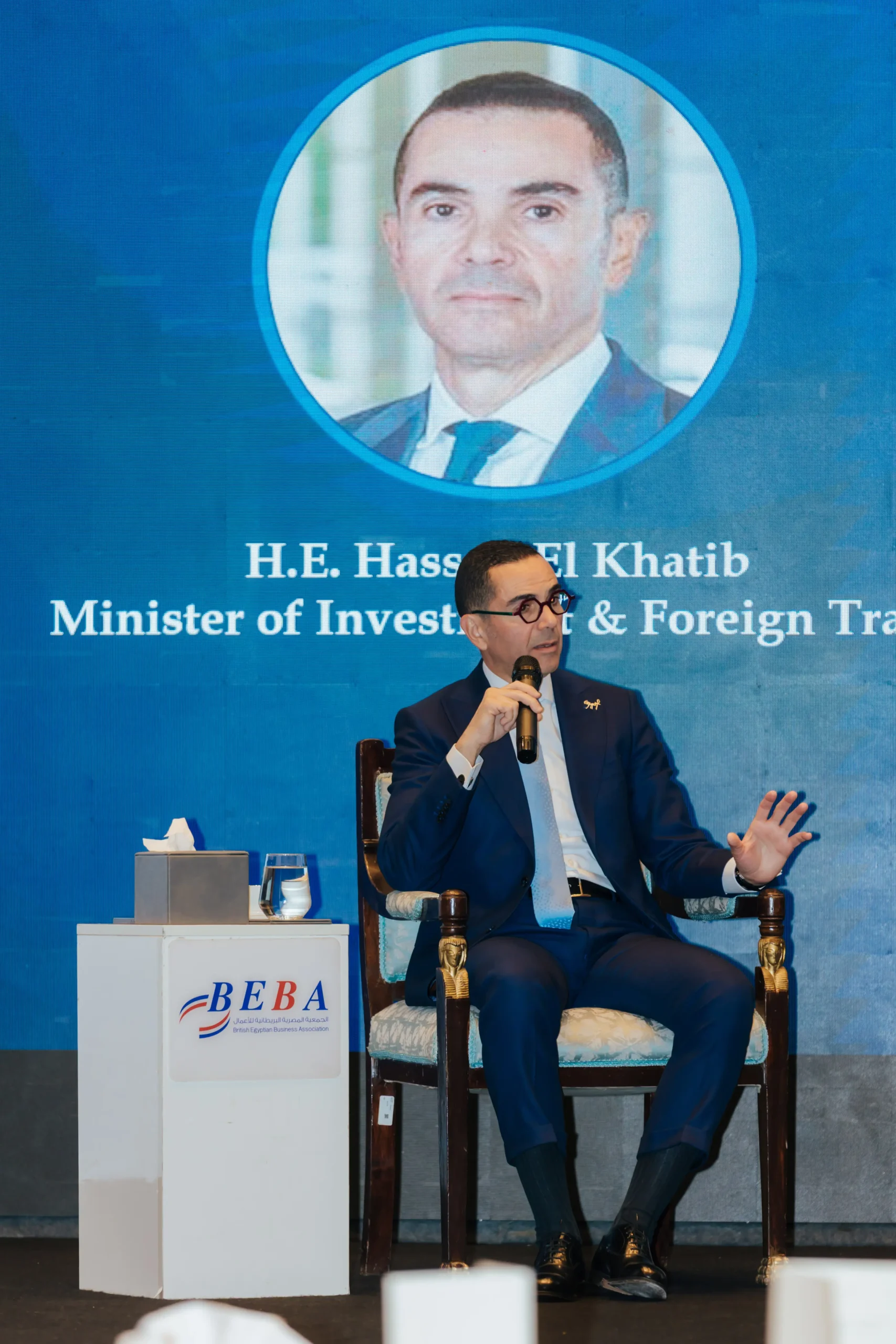
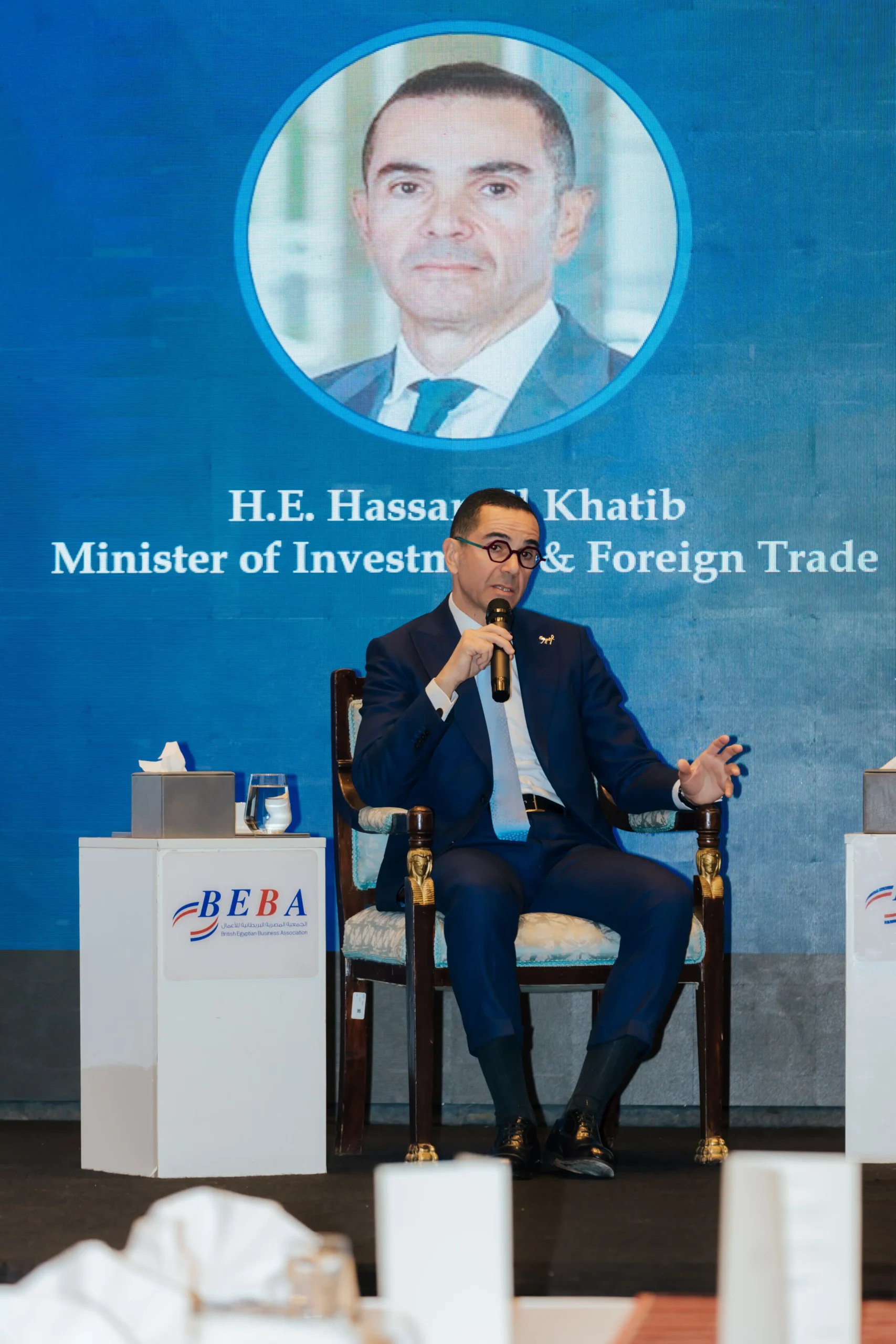
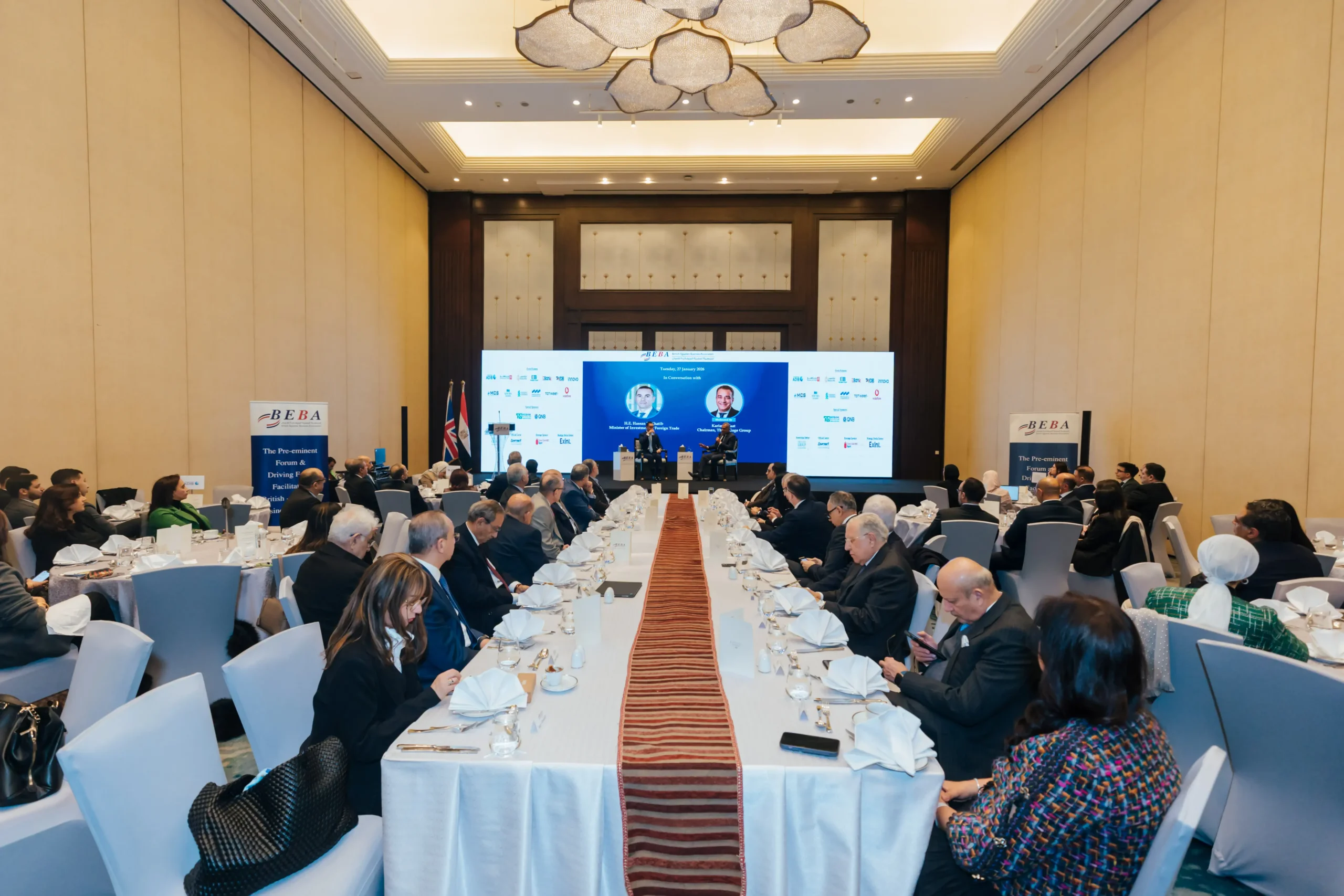
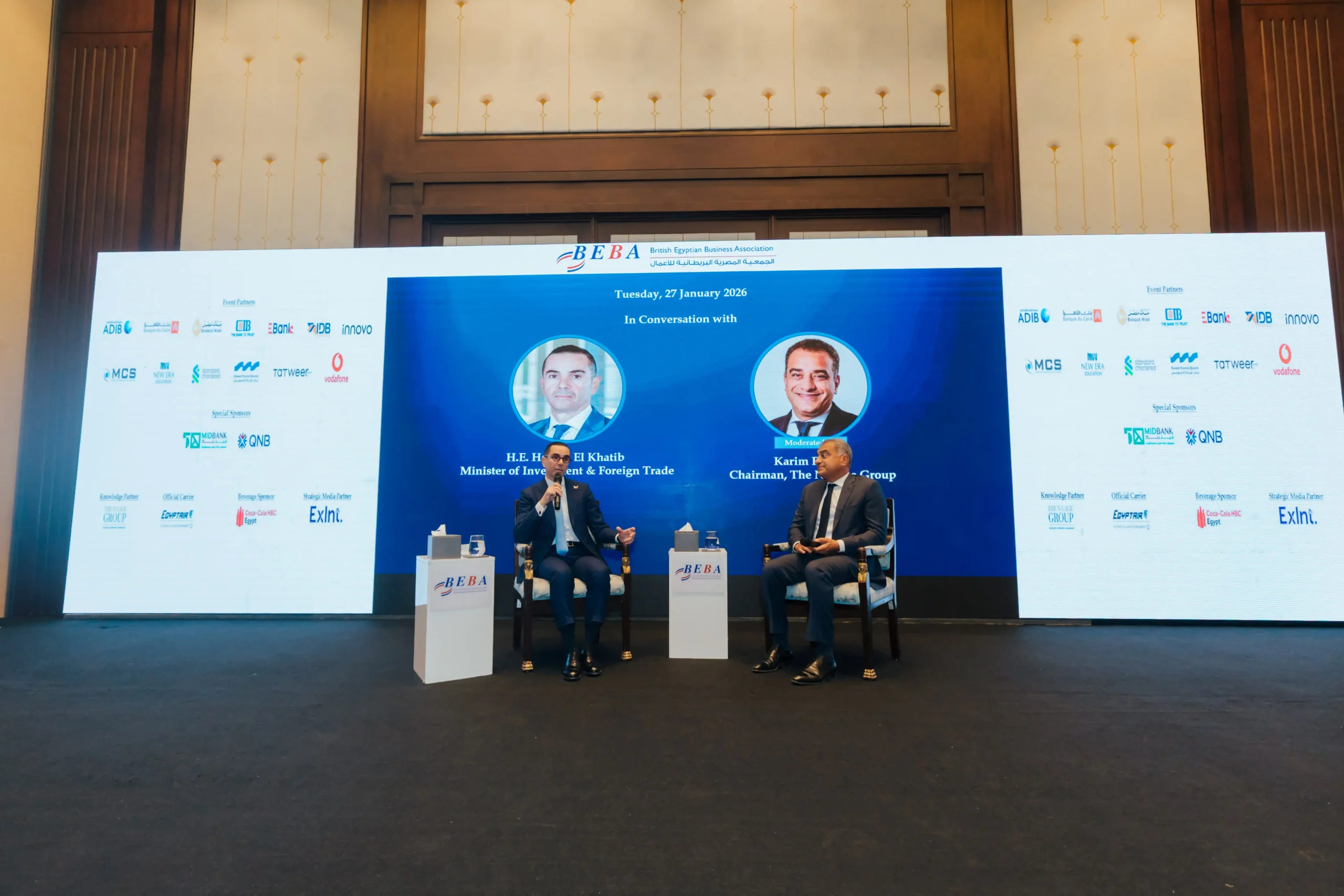
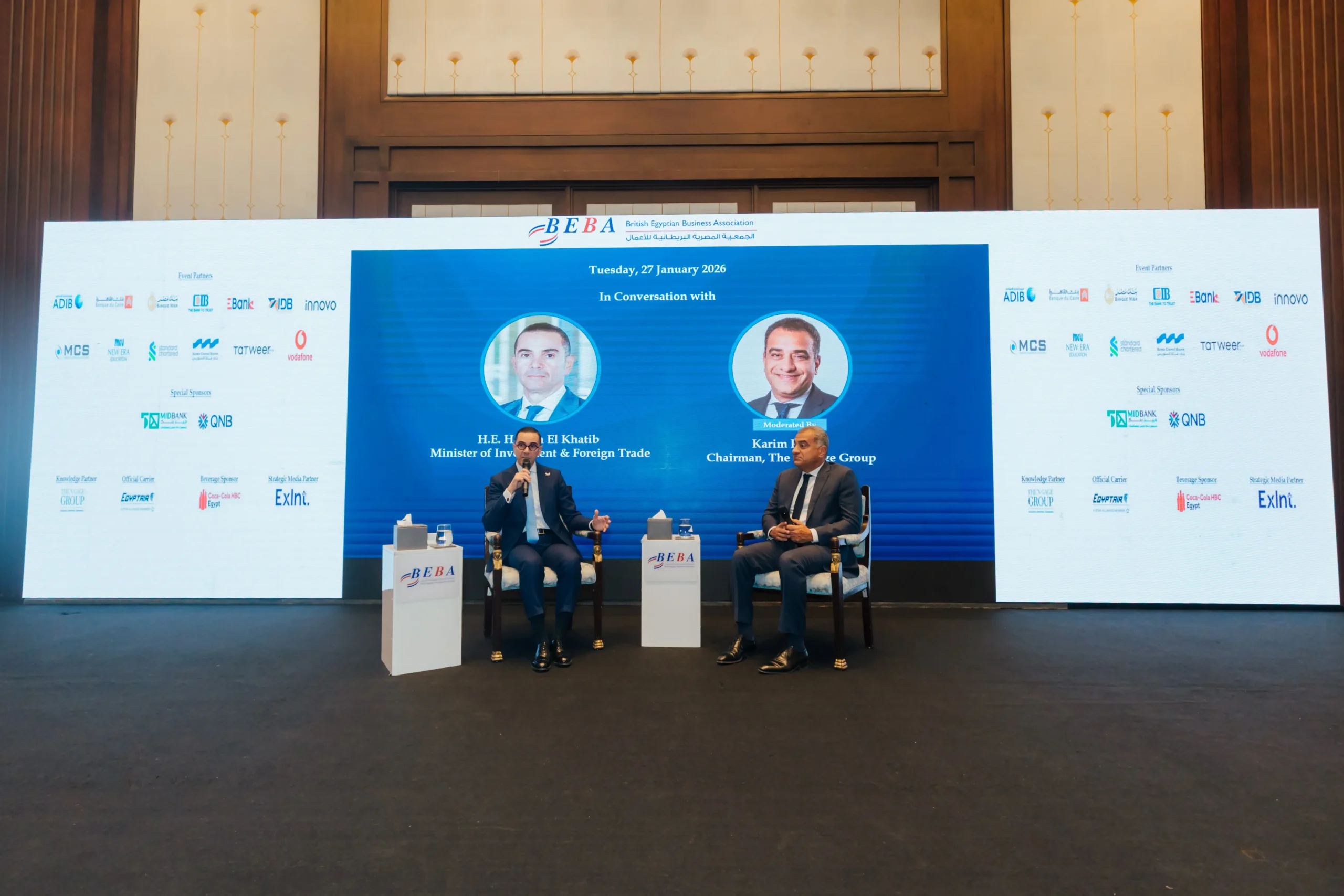
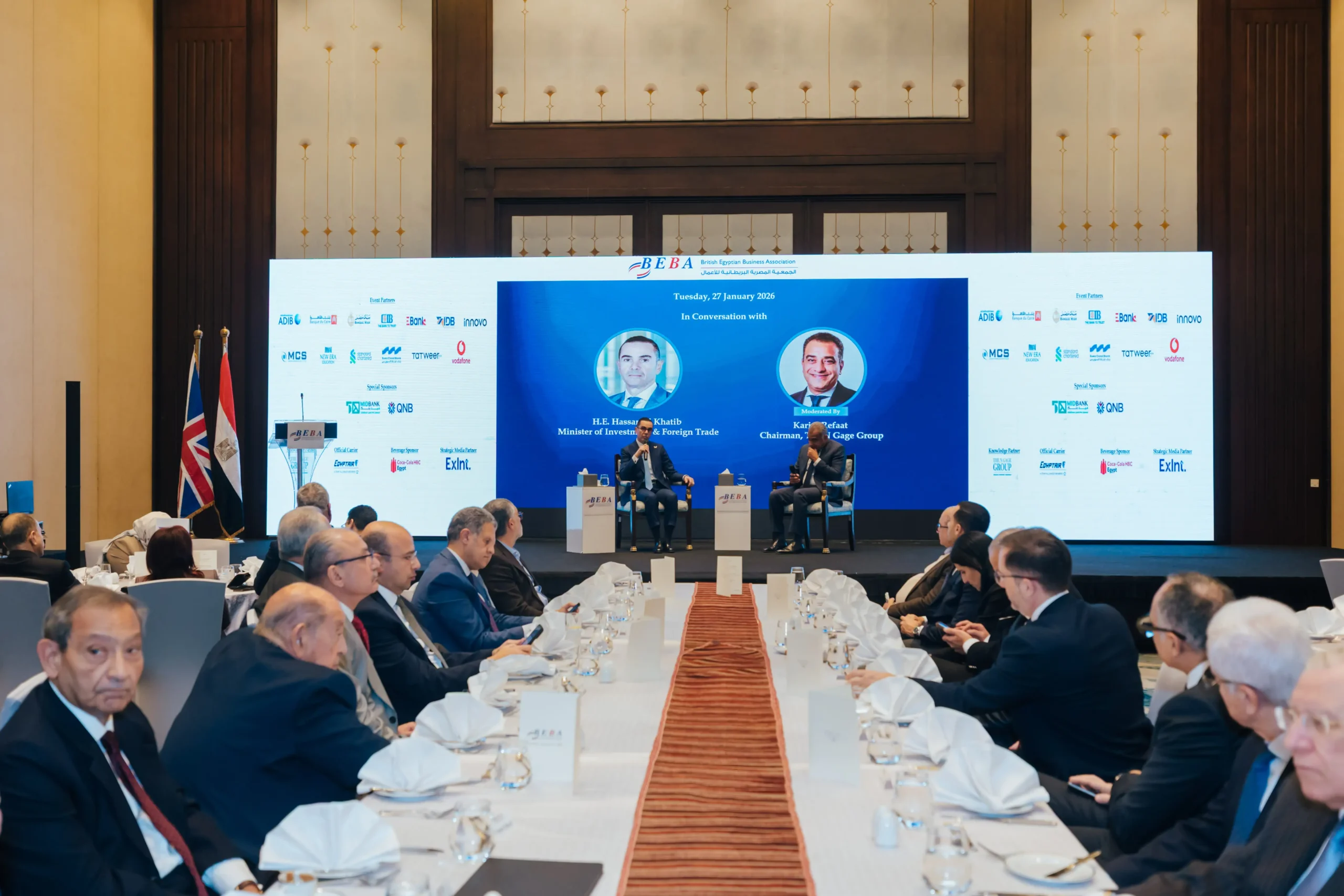
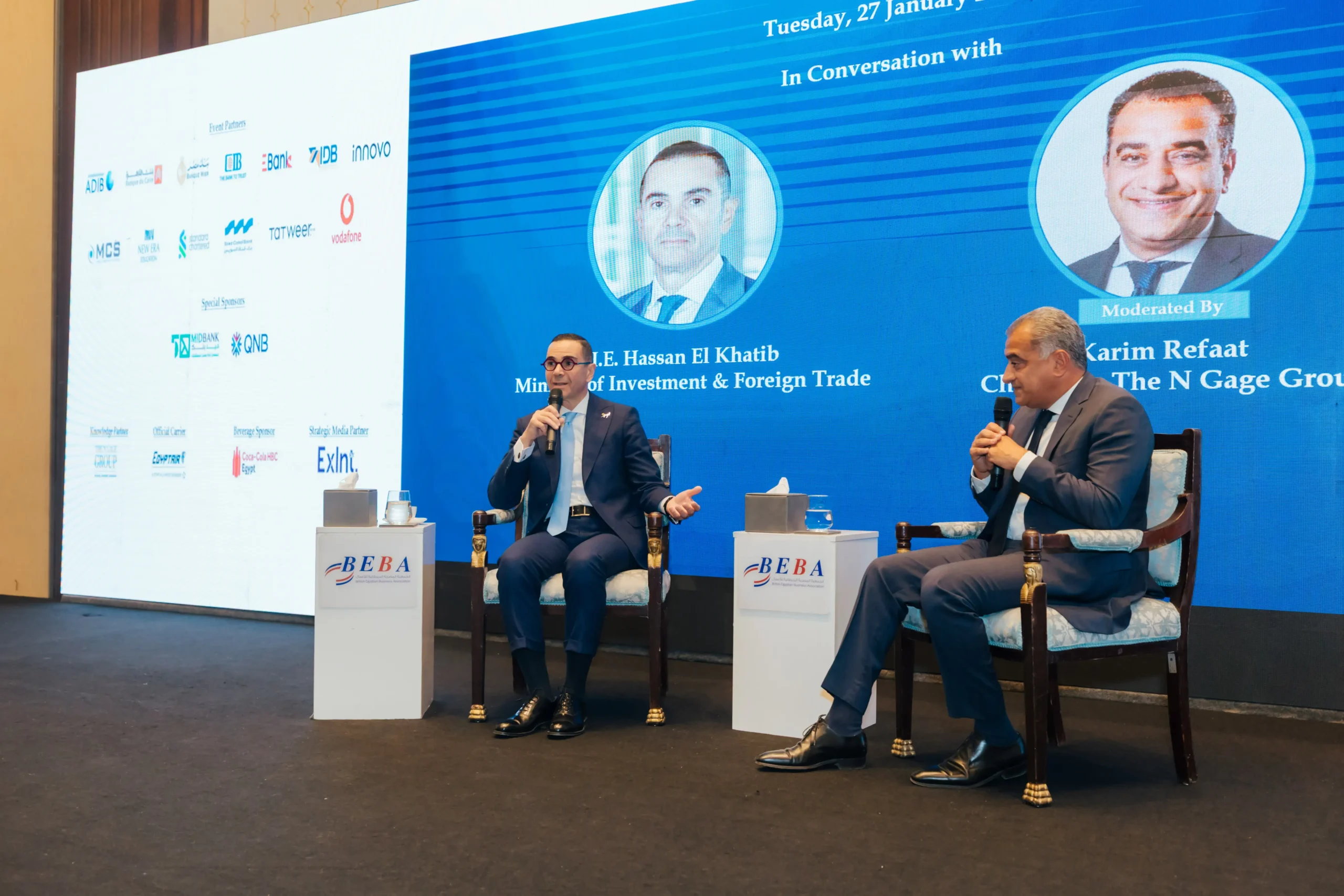
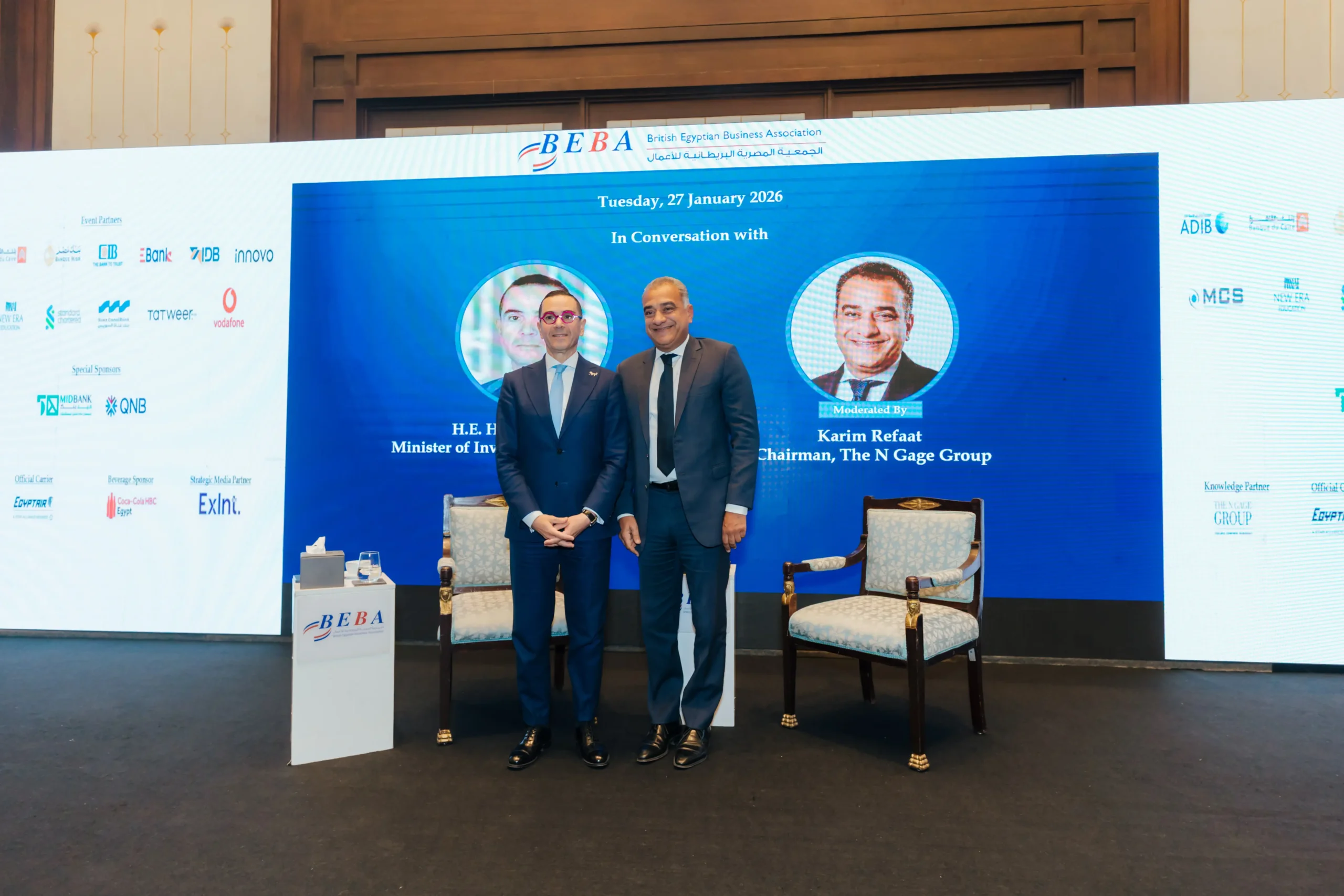
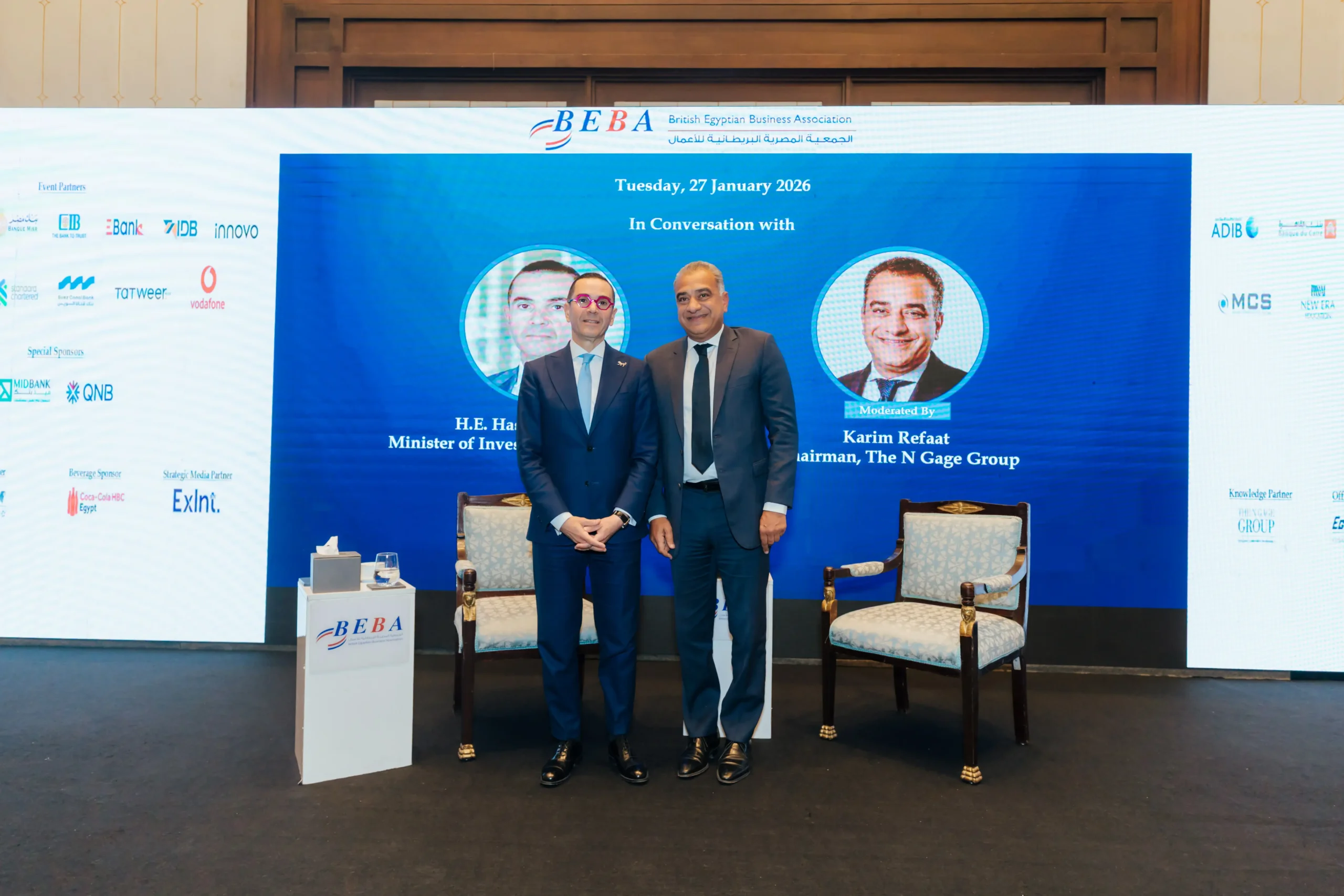
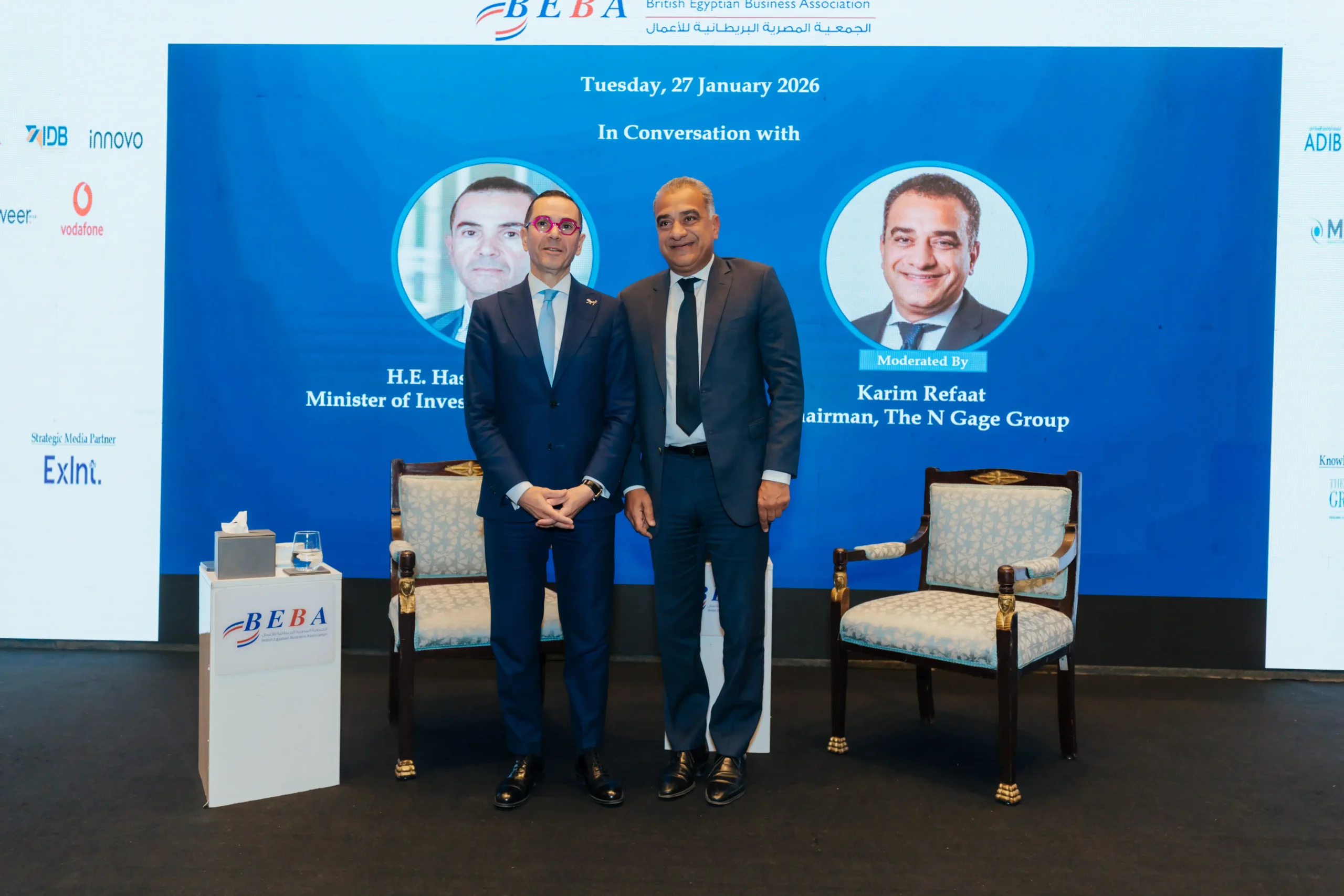
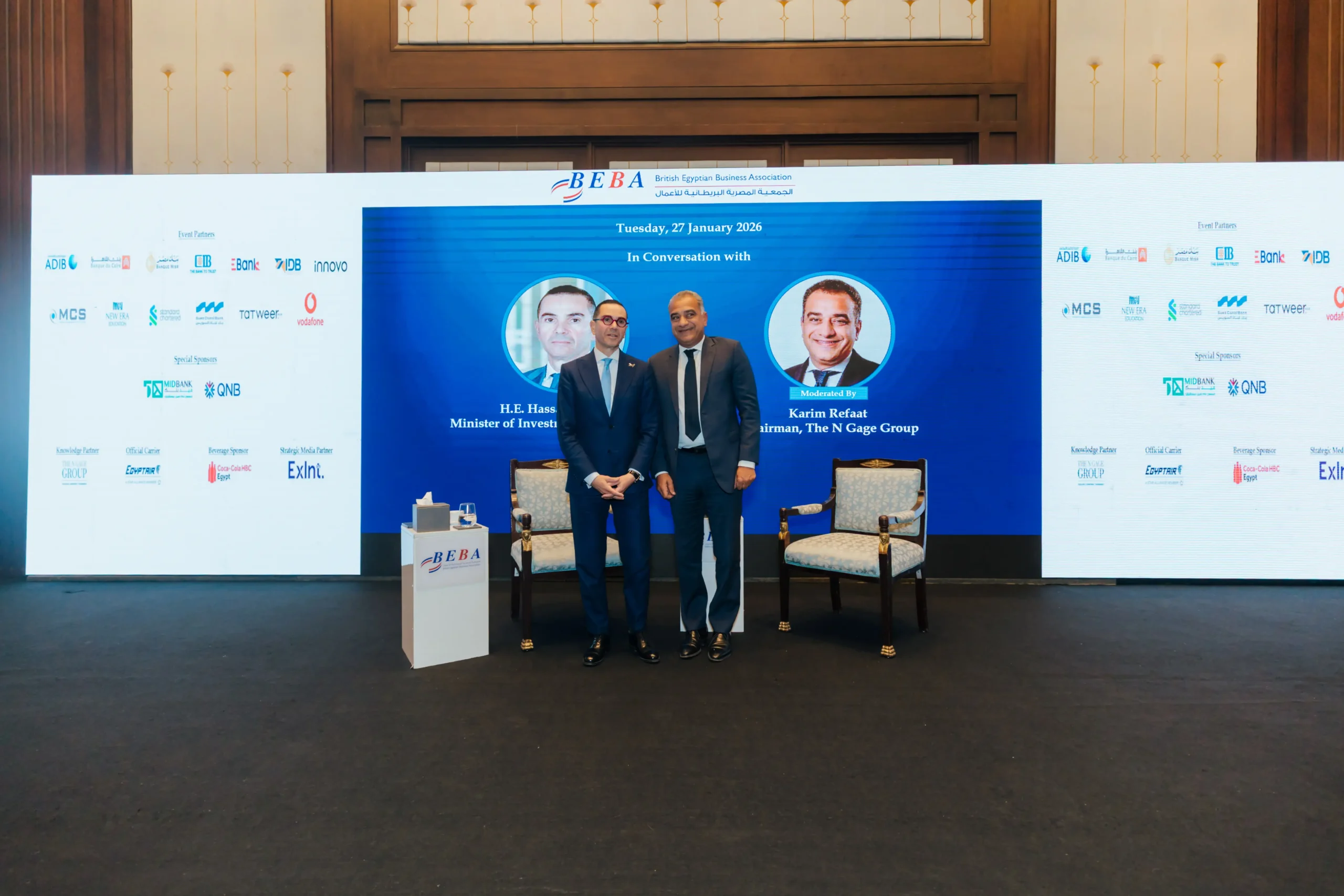
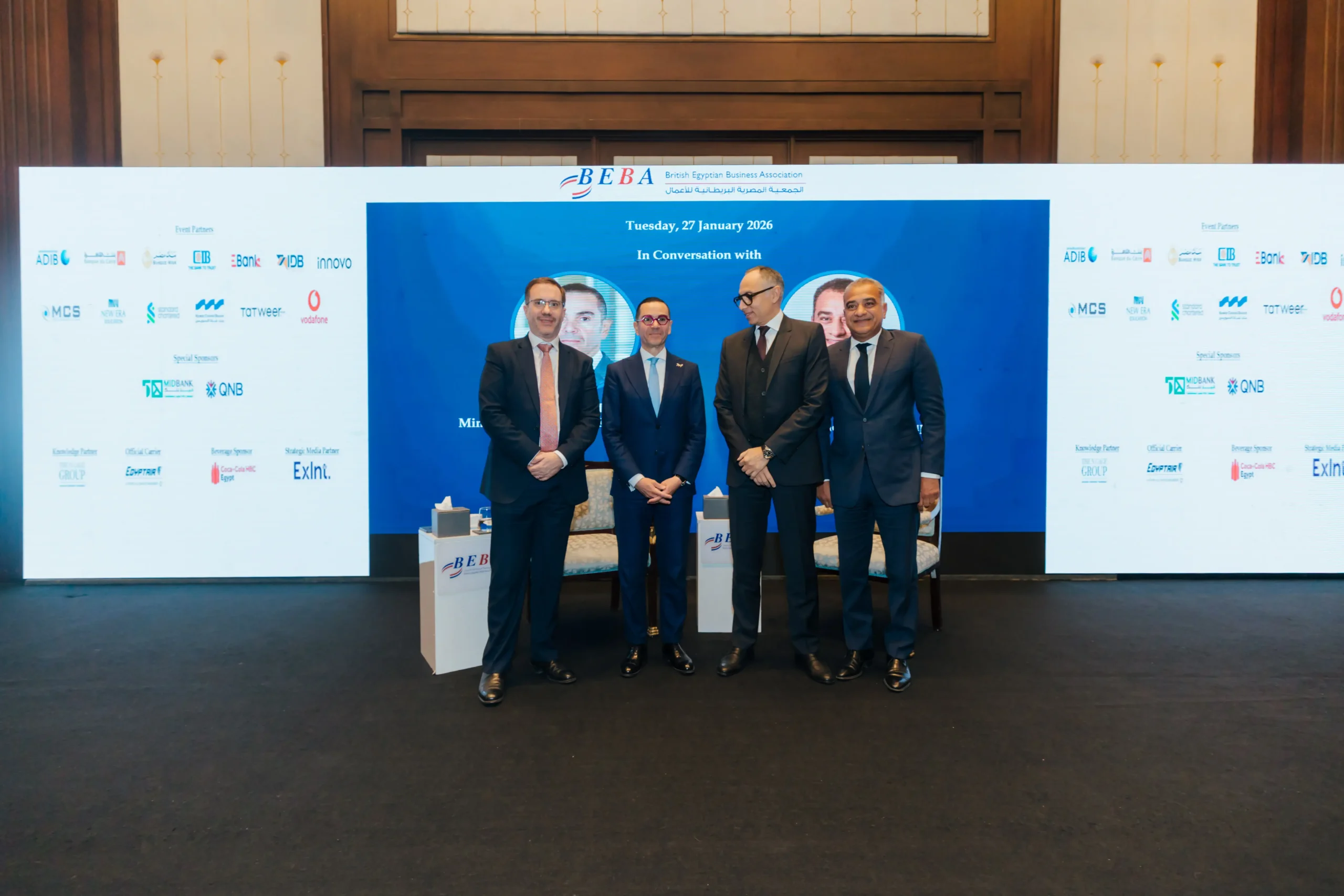
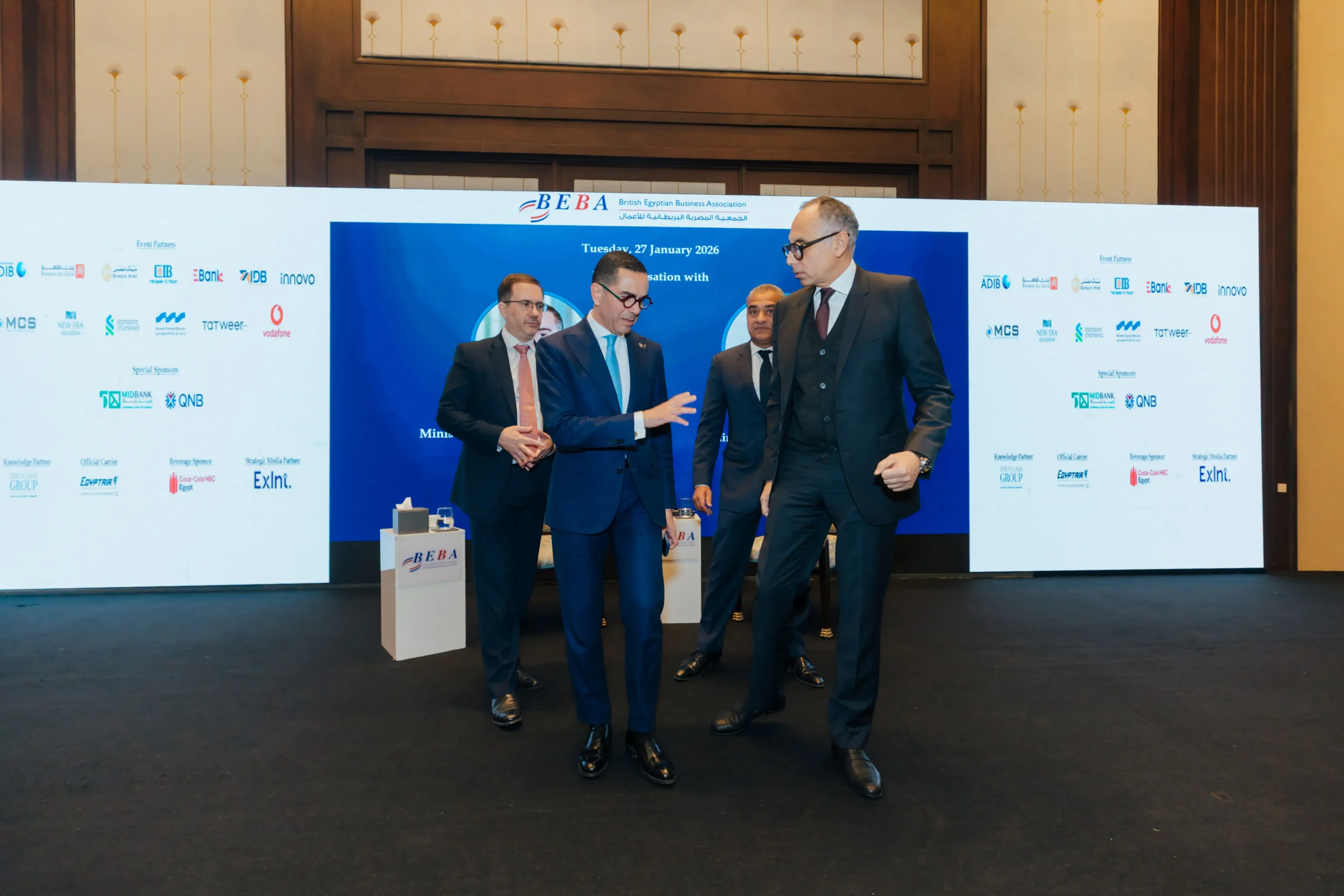
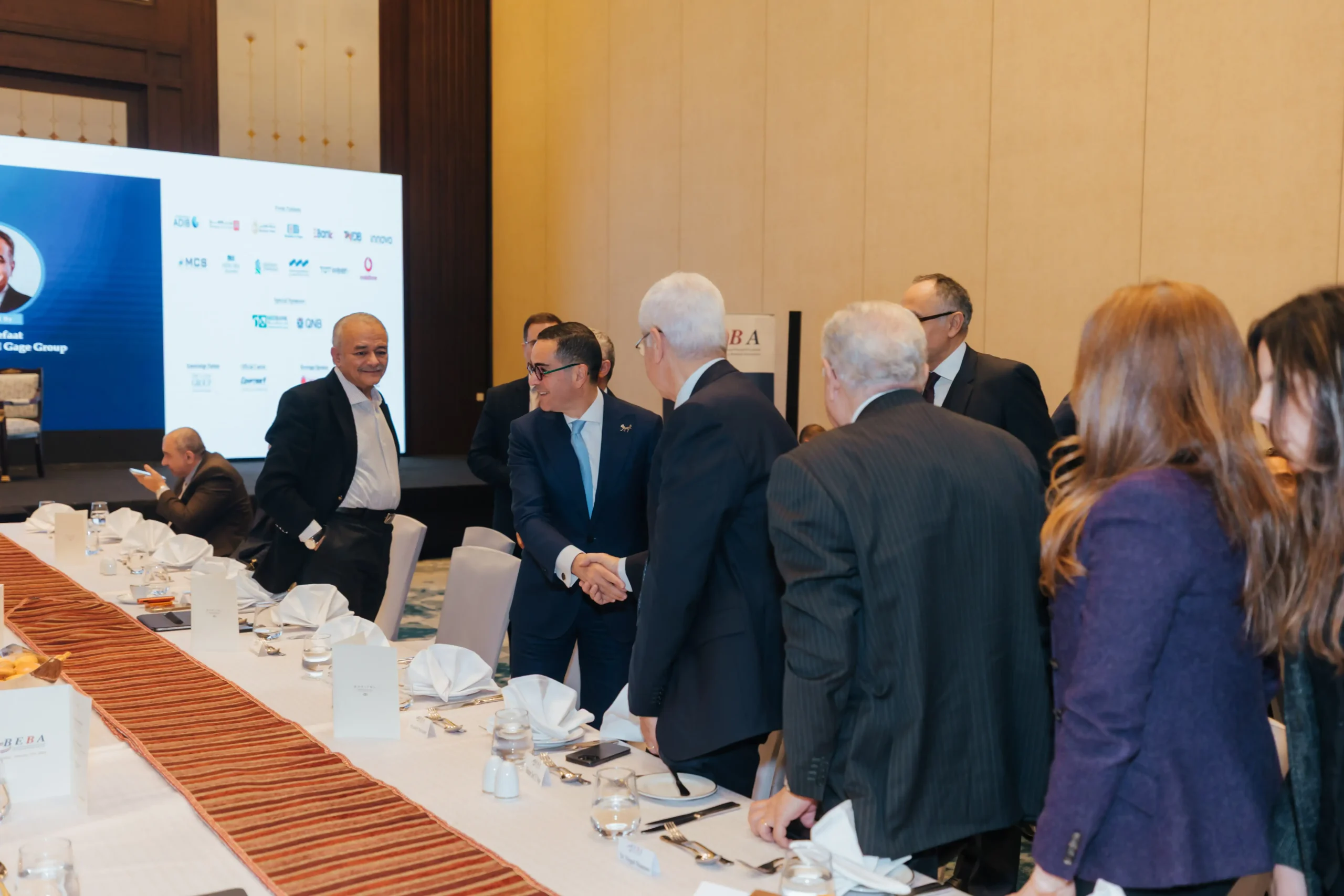
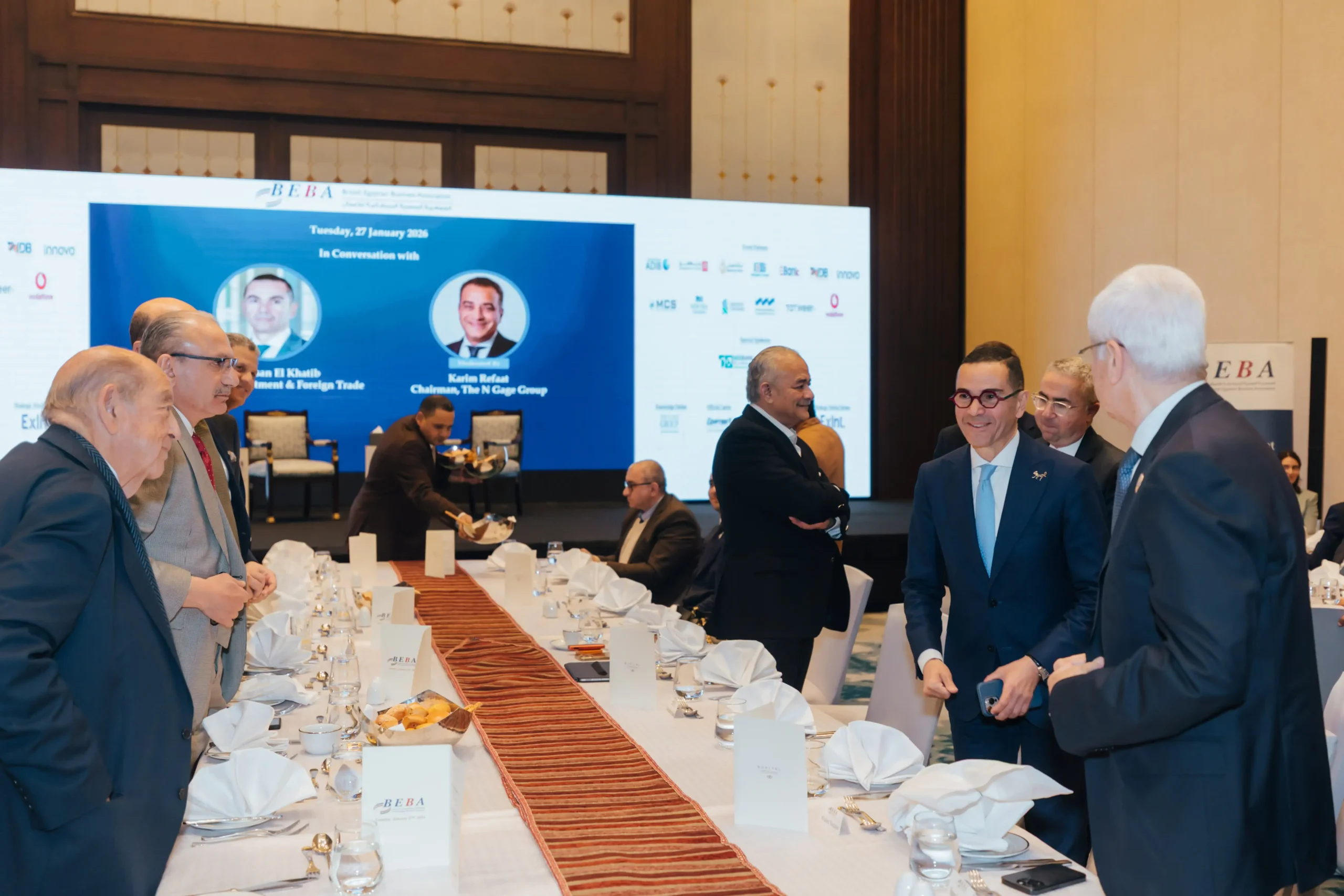
BEBA organised a conversation with H.E. Hassan El Khatib, Minister of Investment & Foreign Trade
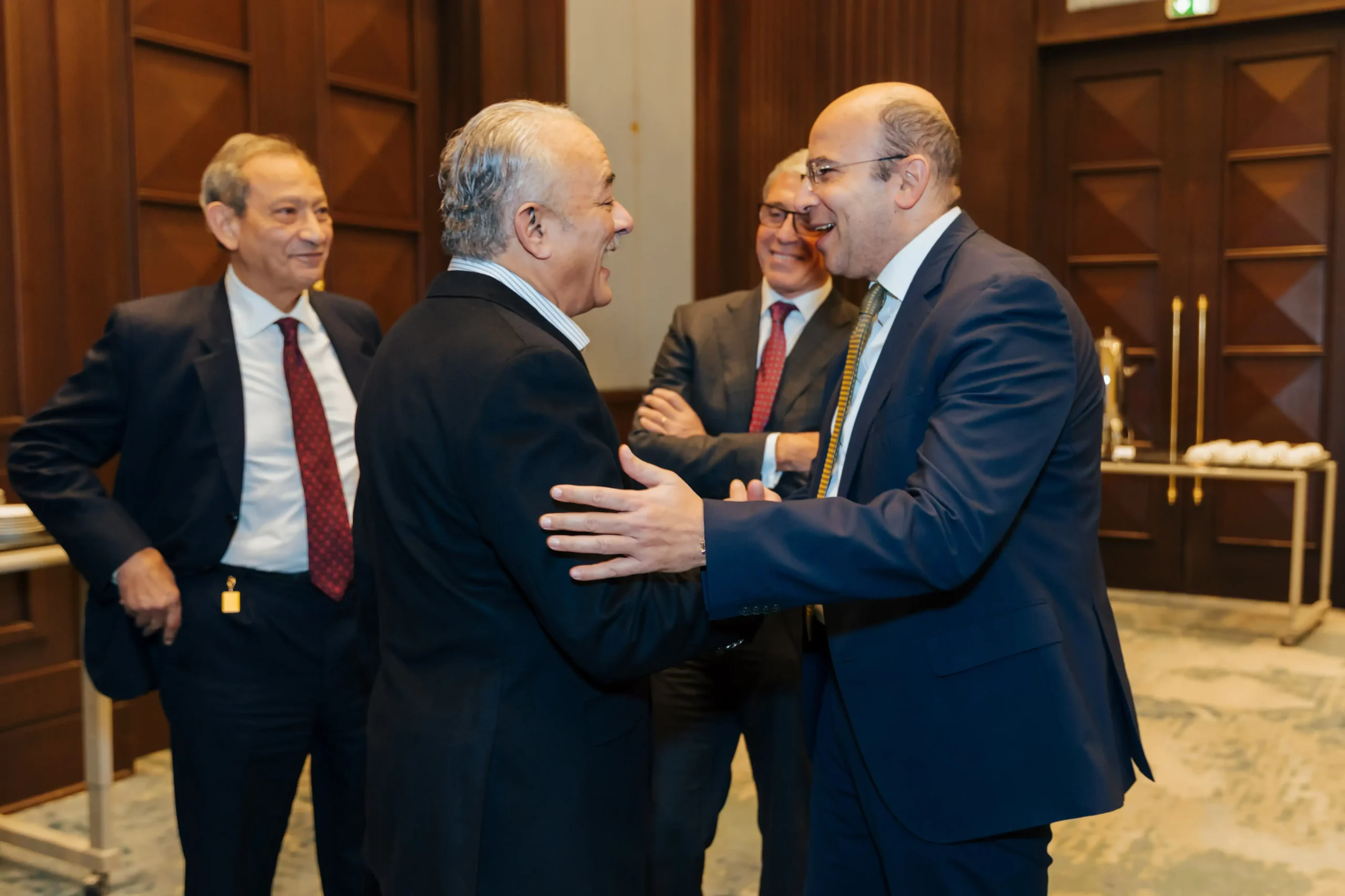
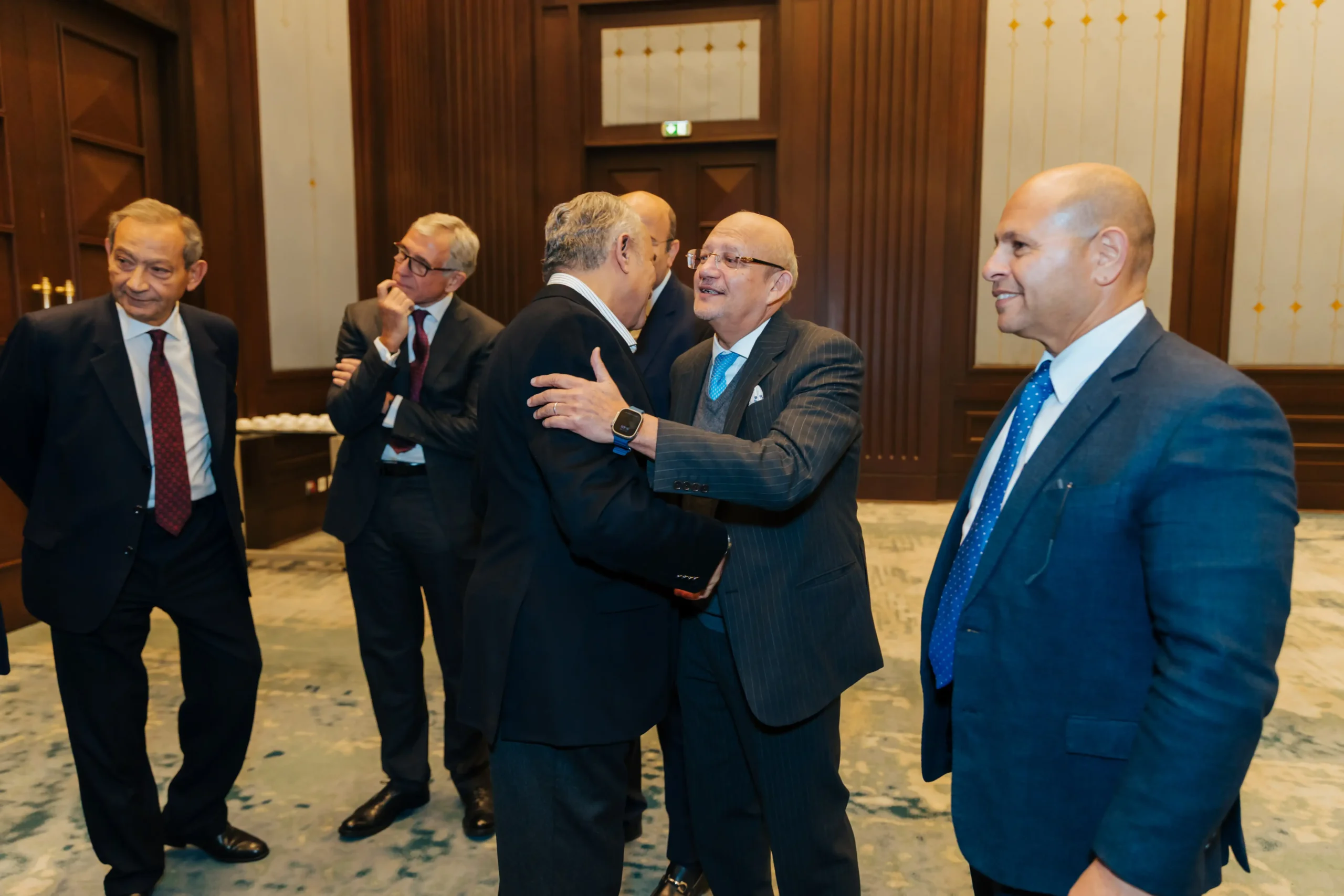
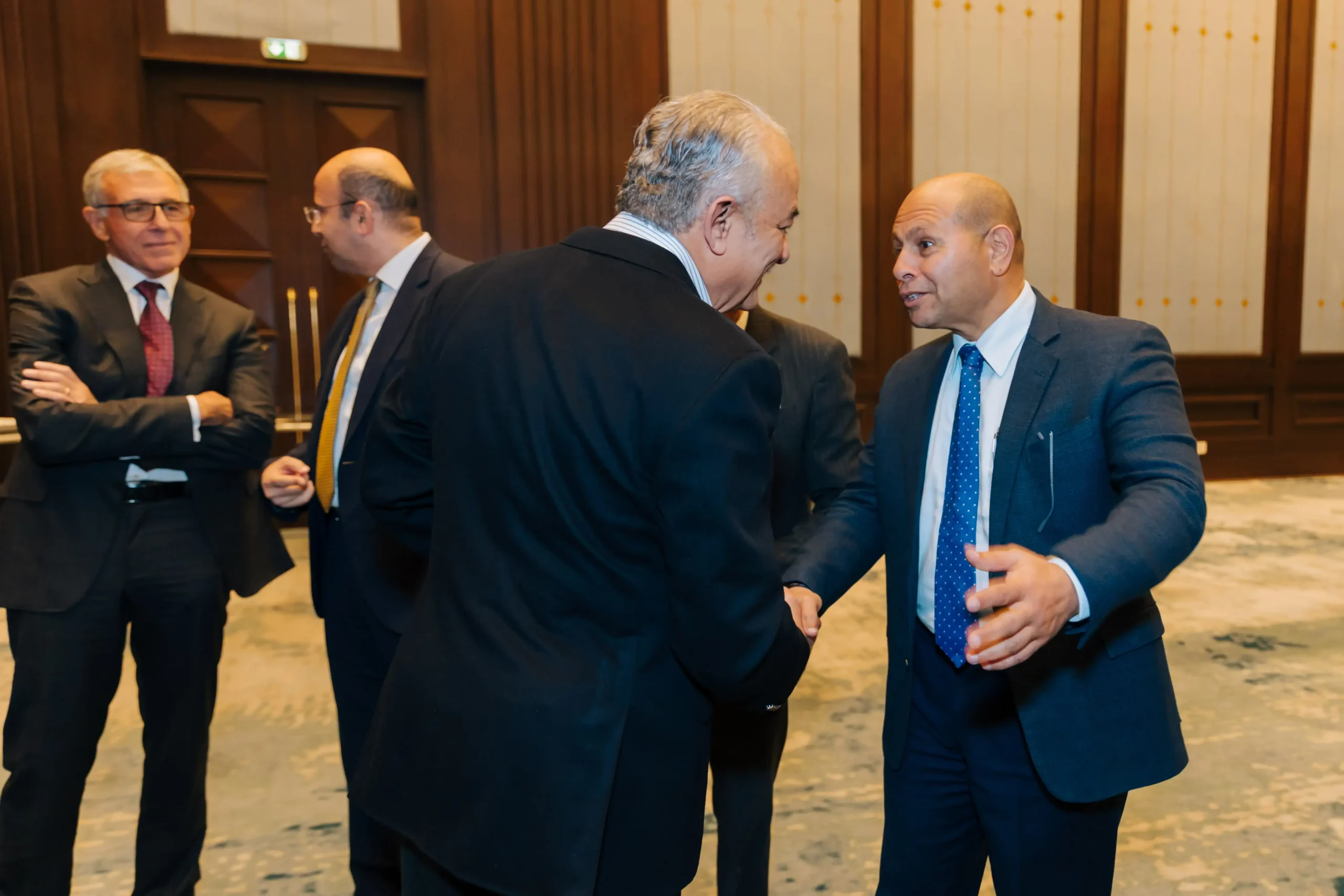
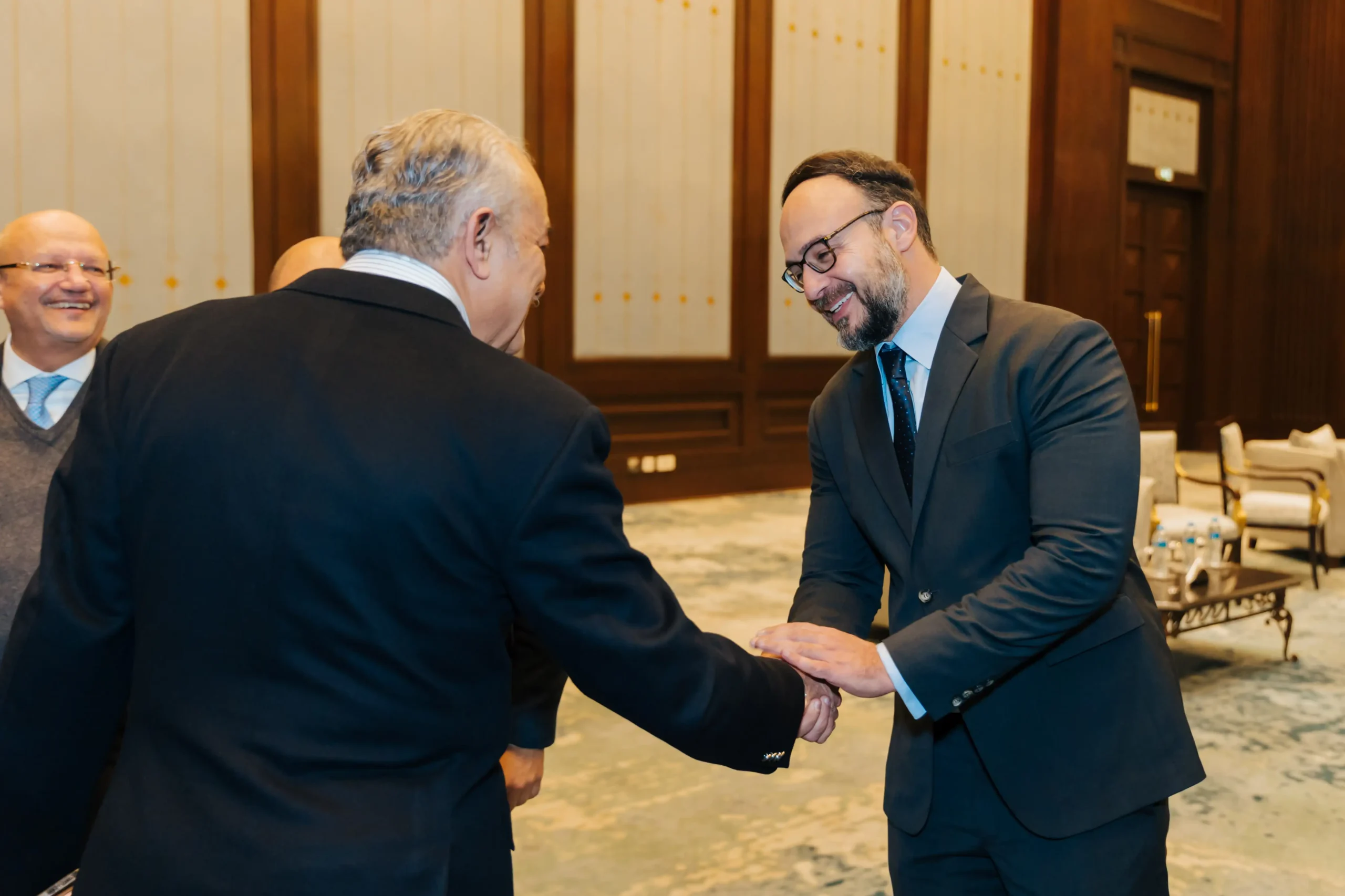
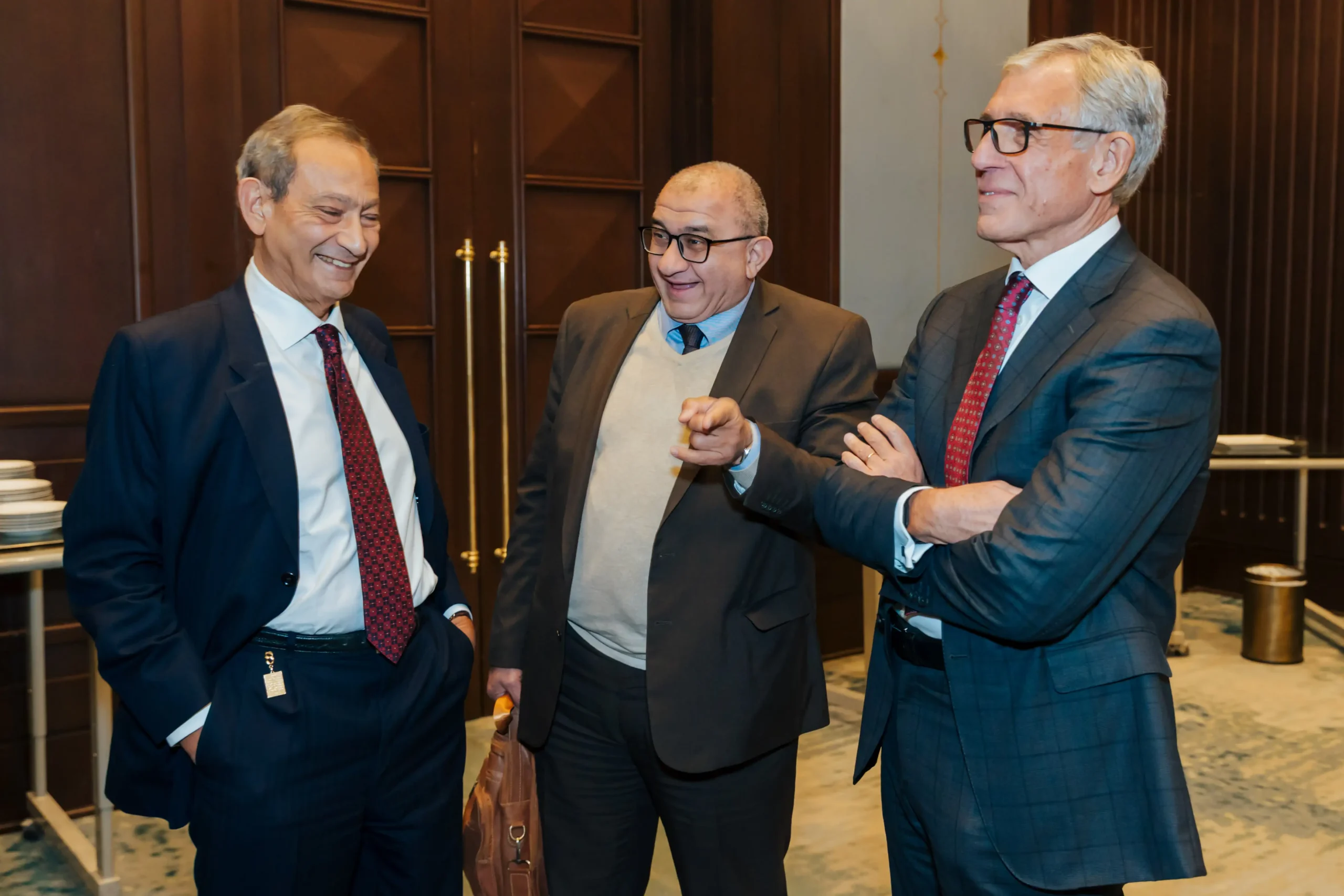
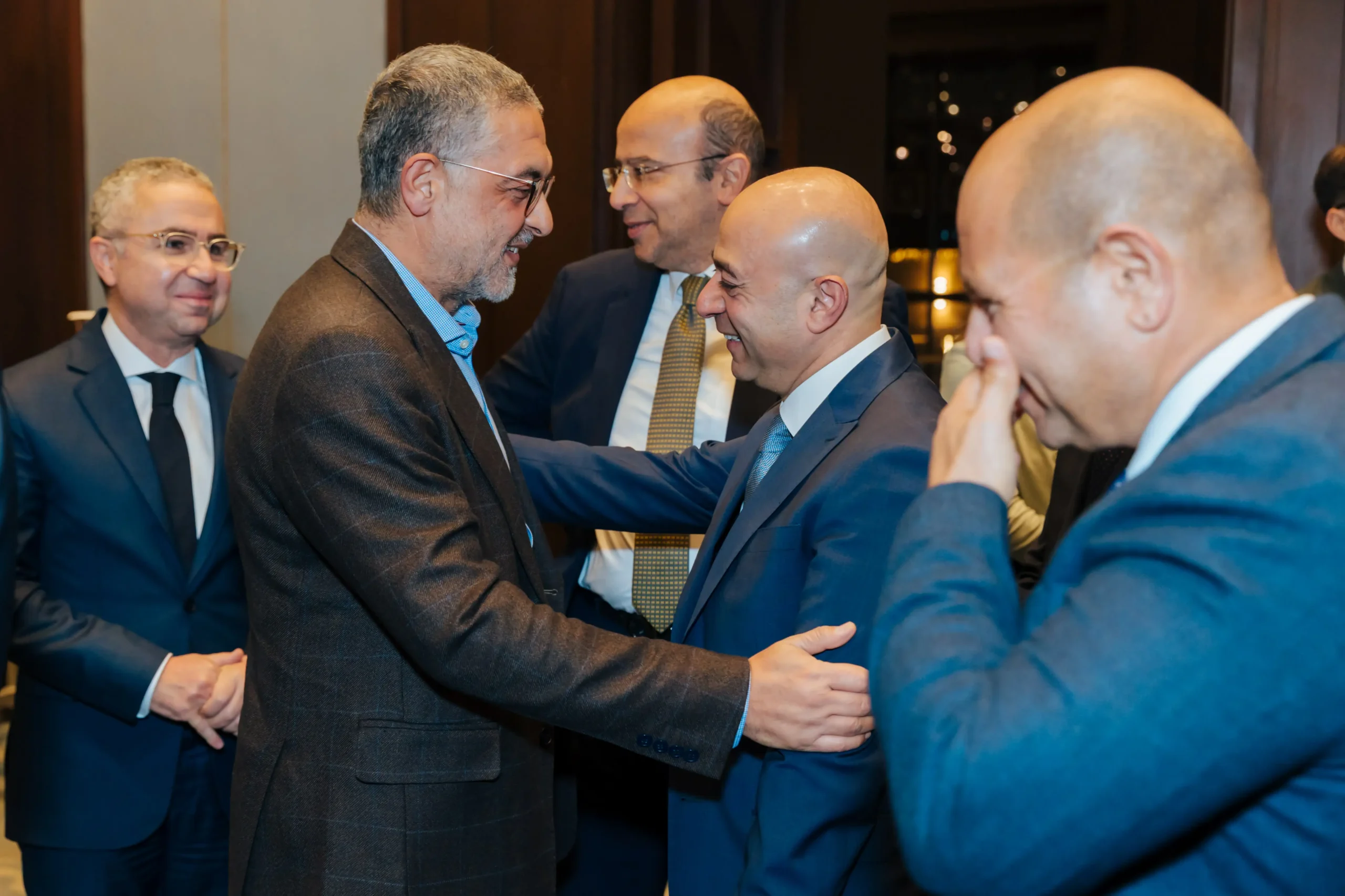
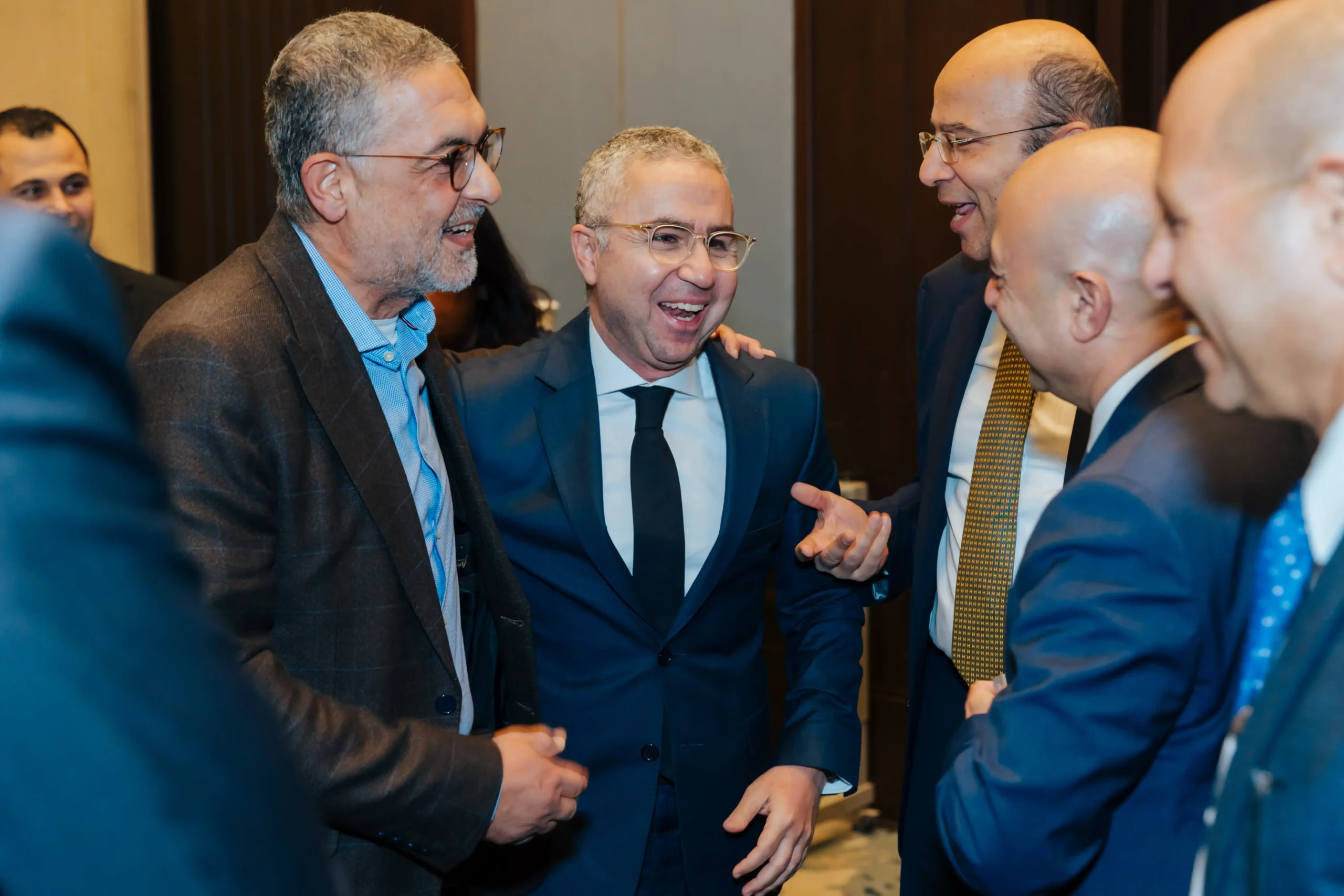
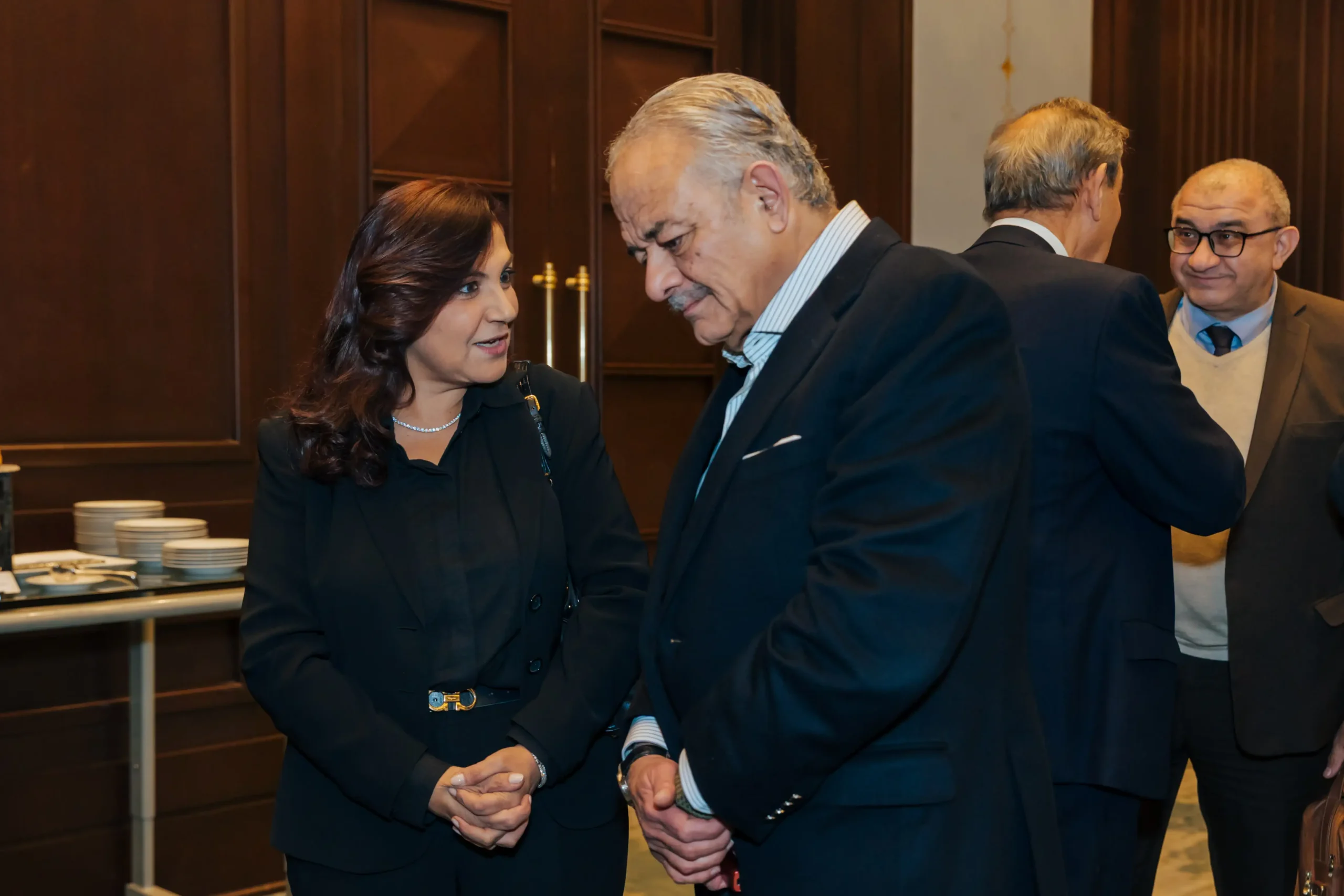
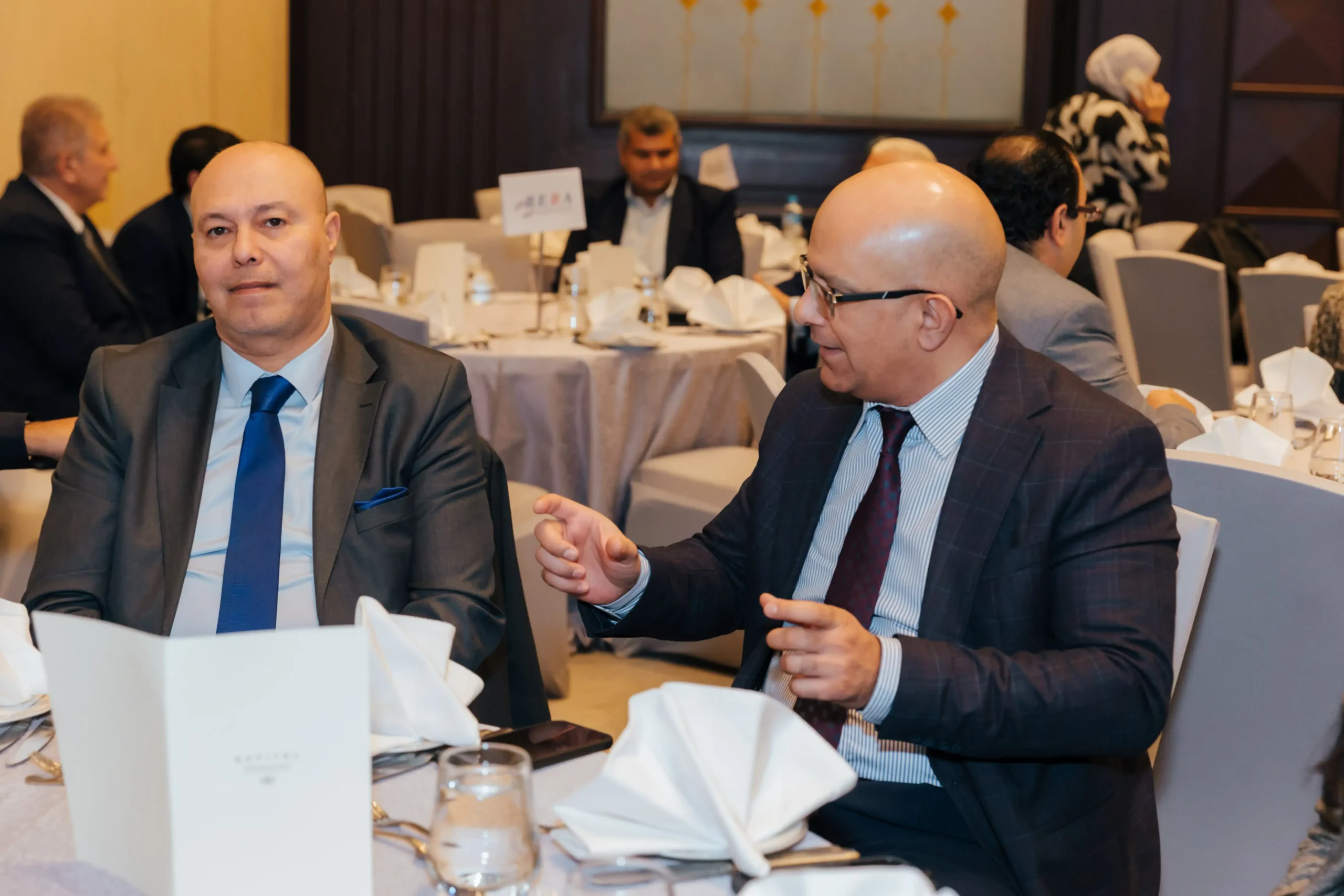
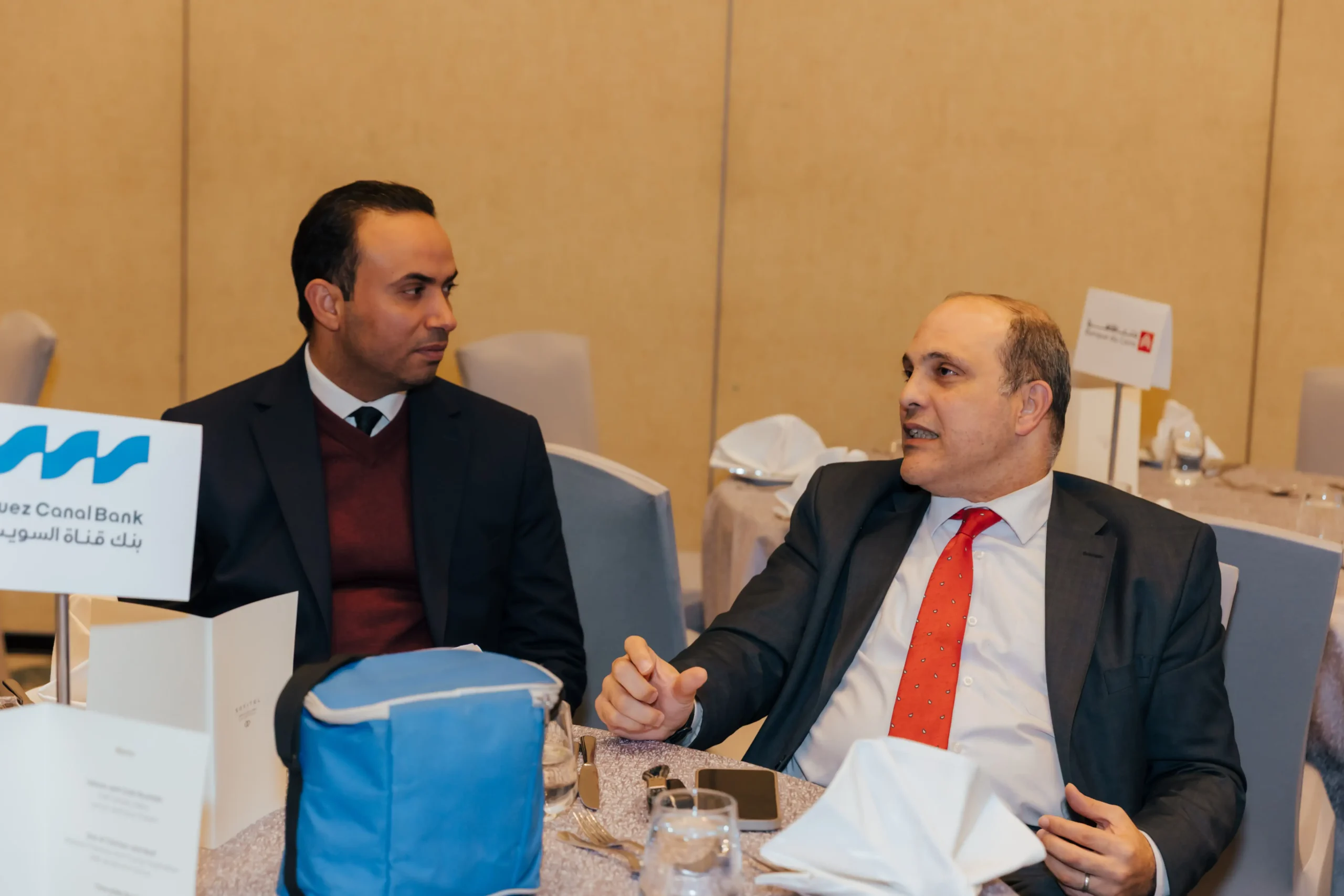
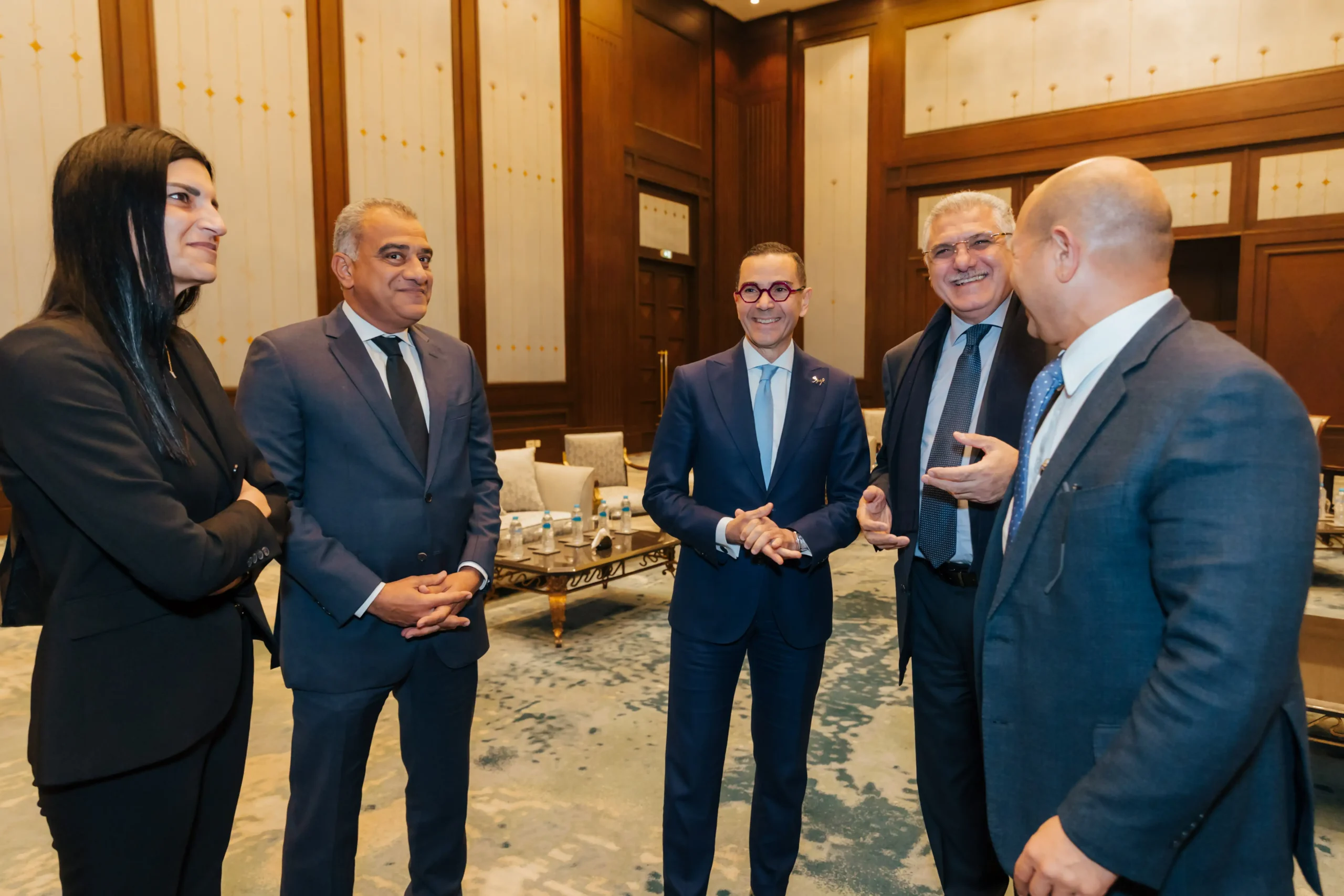
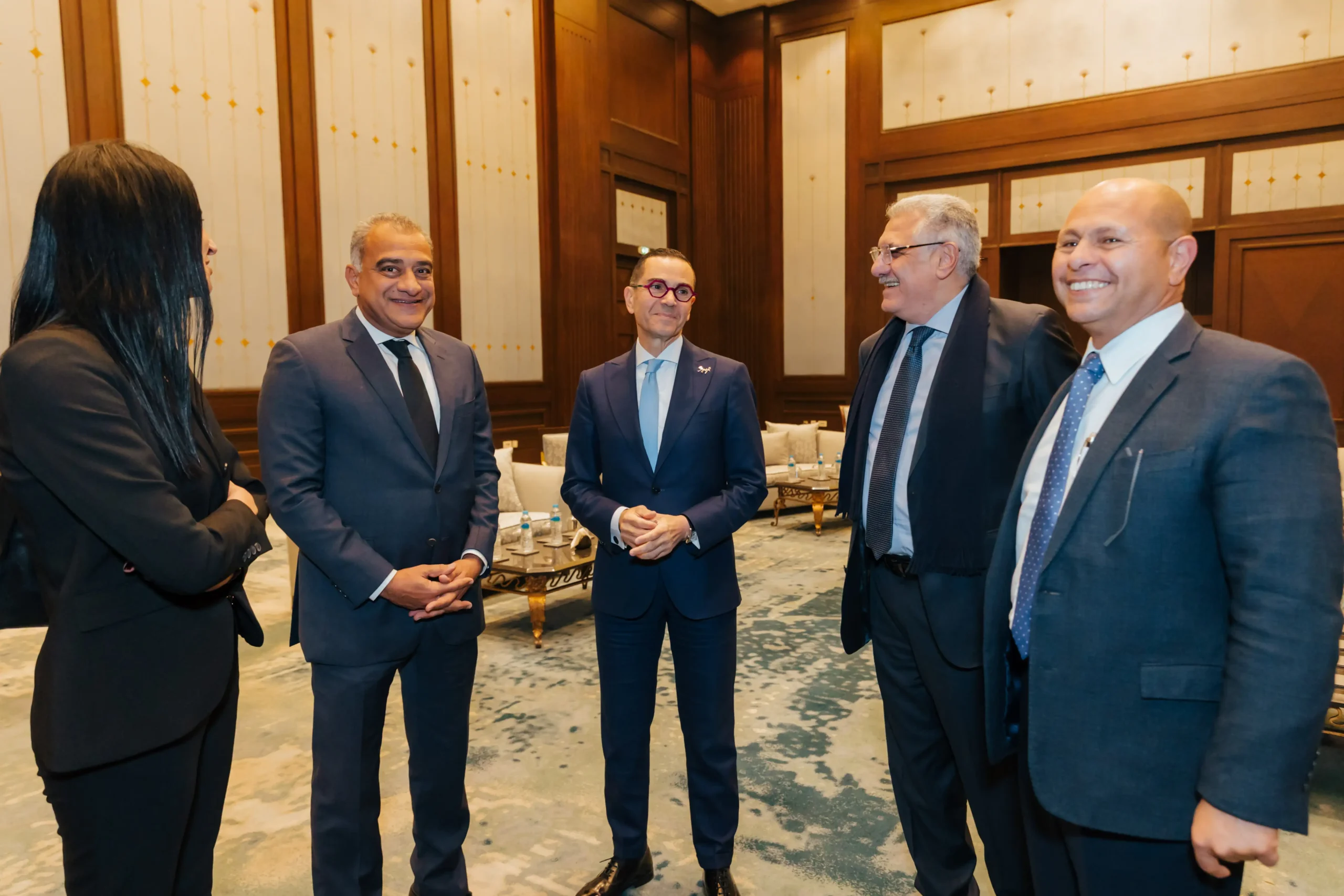
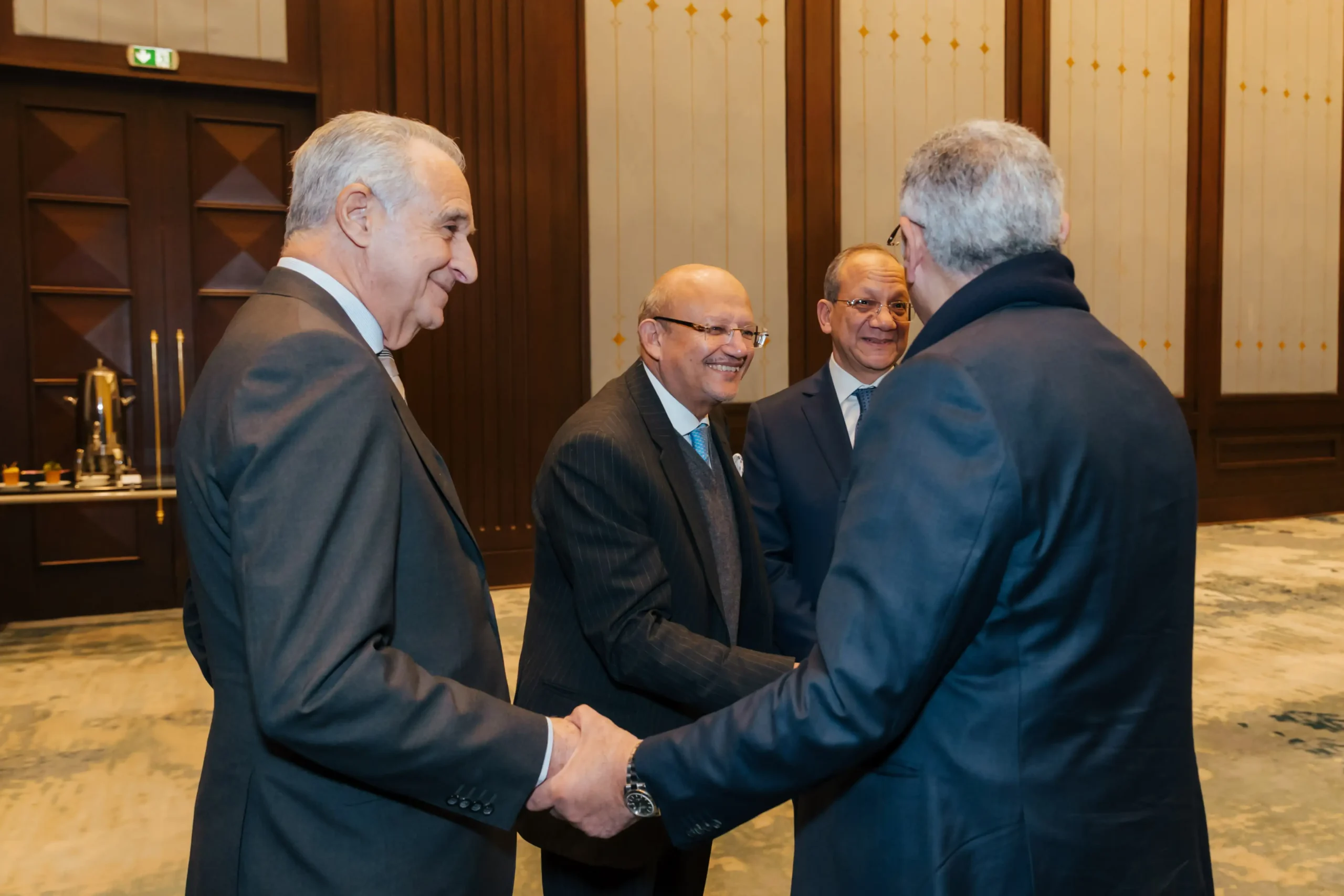
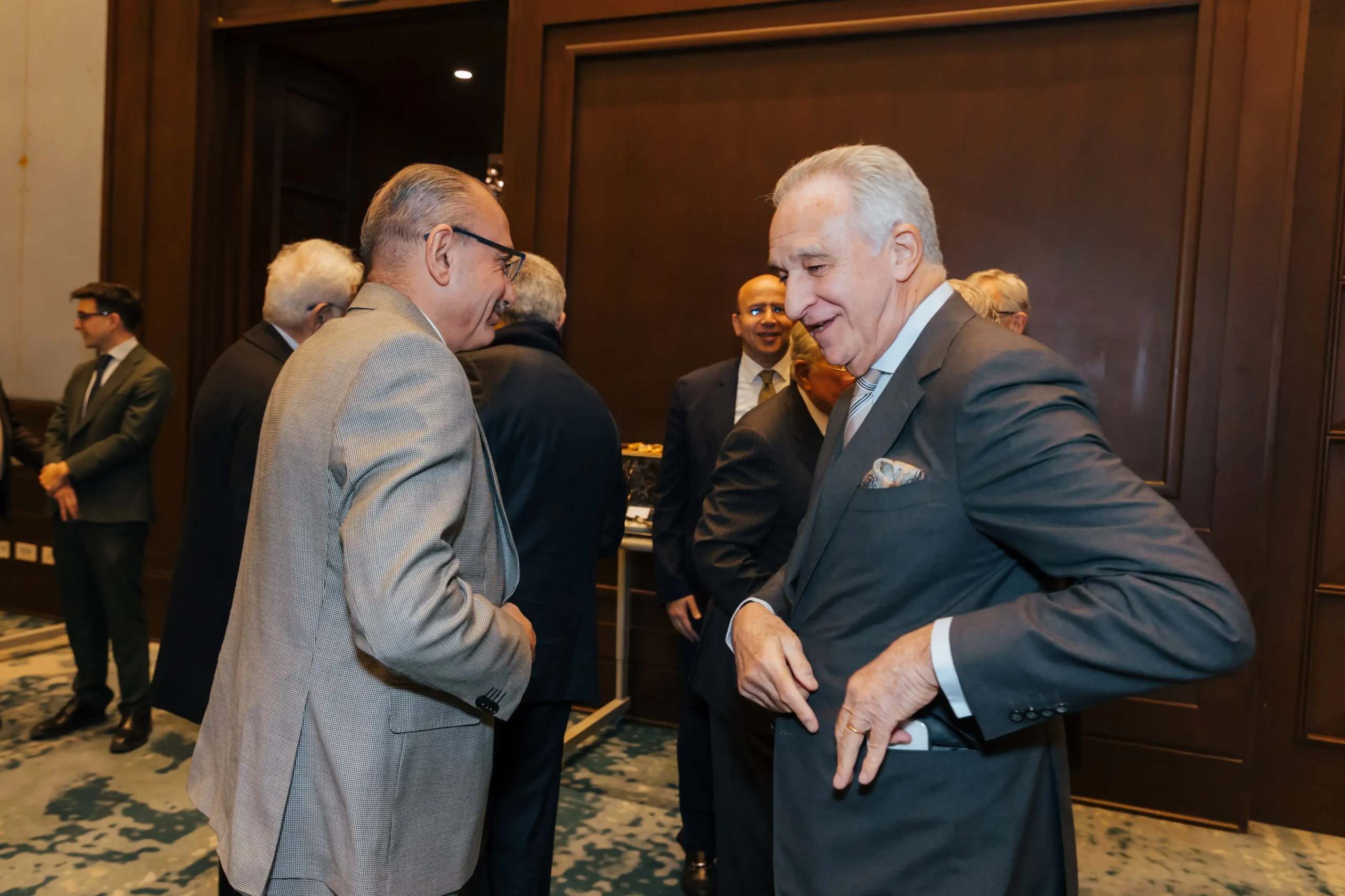
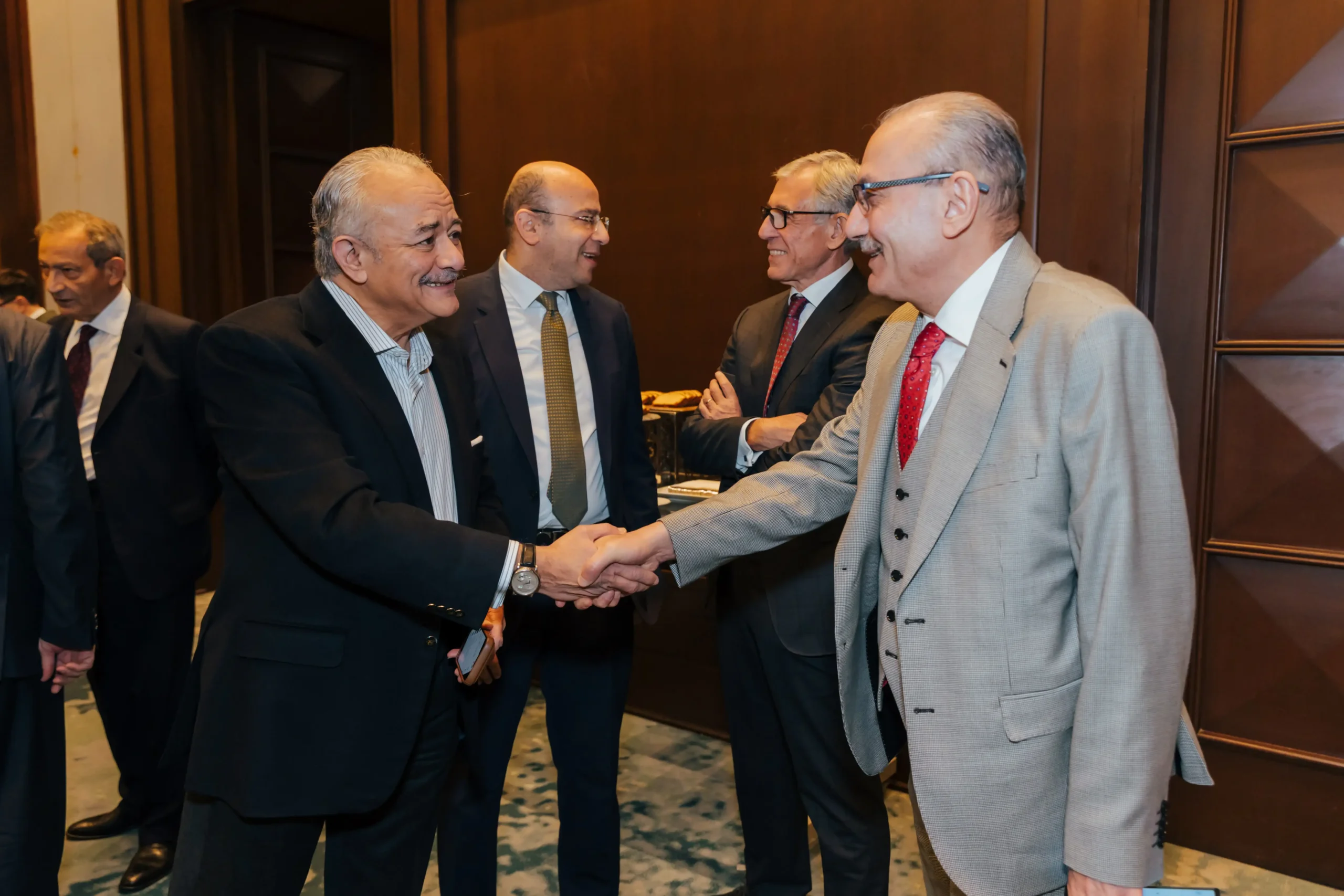
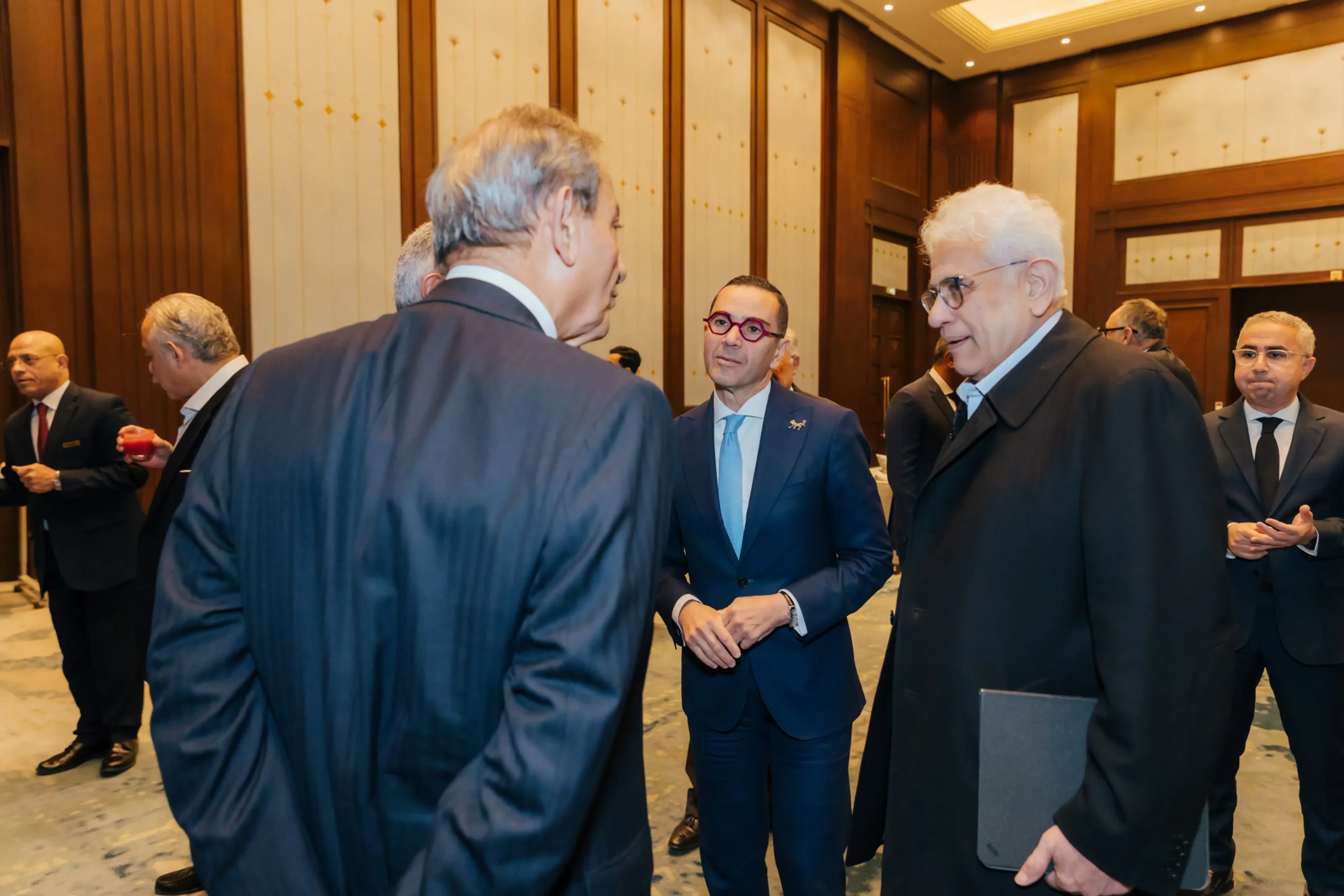
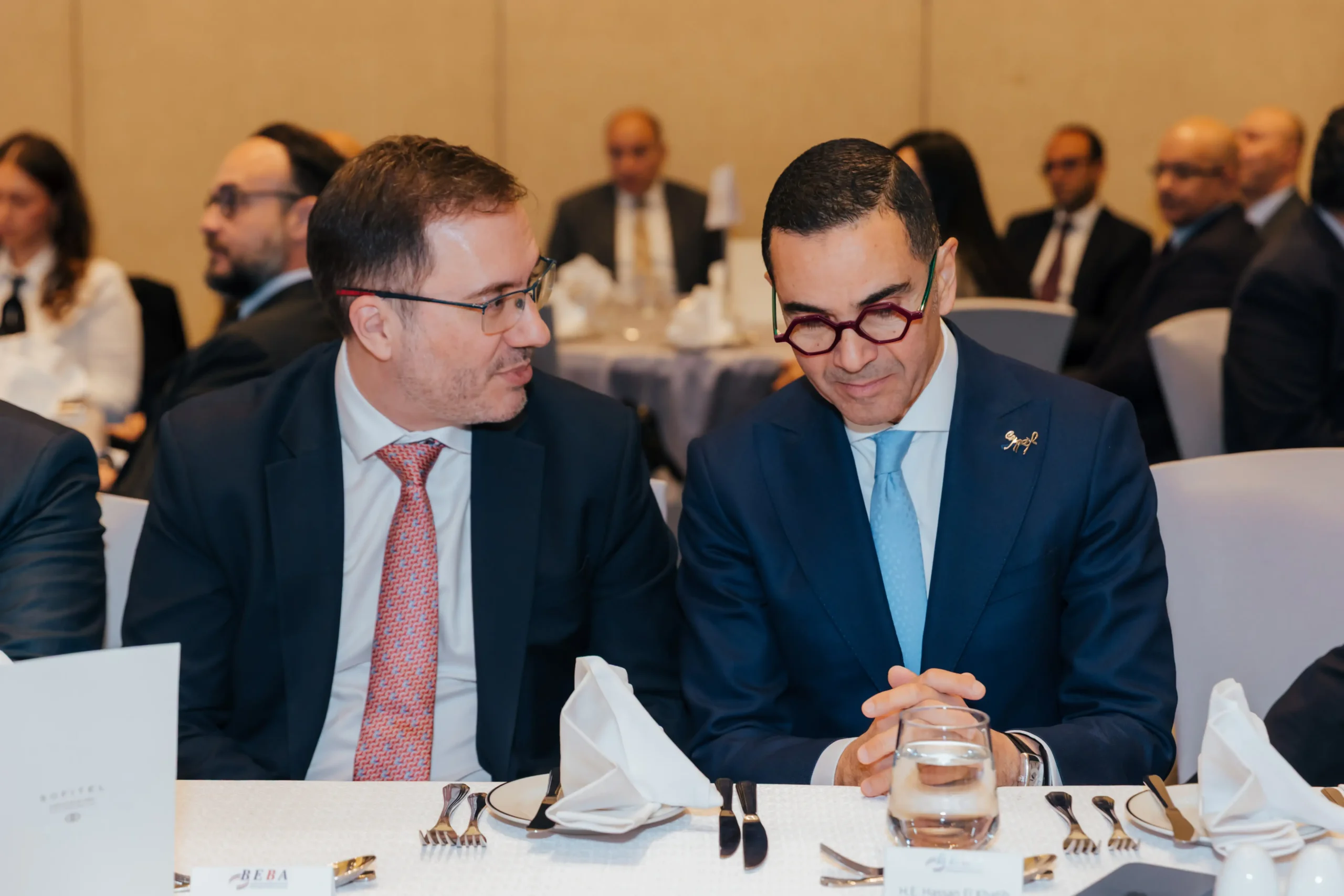
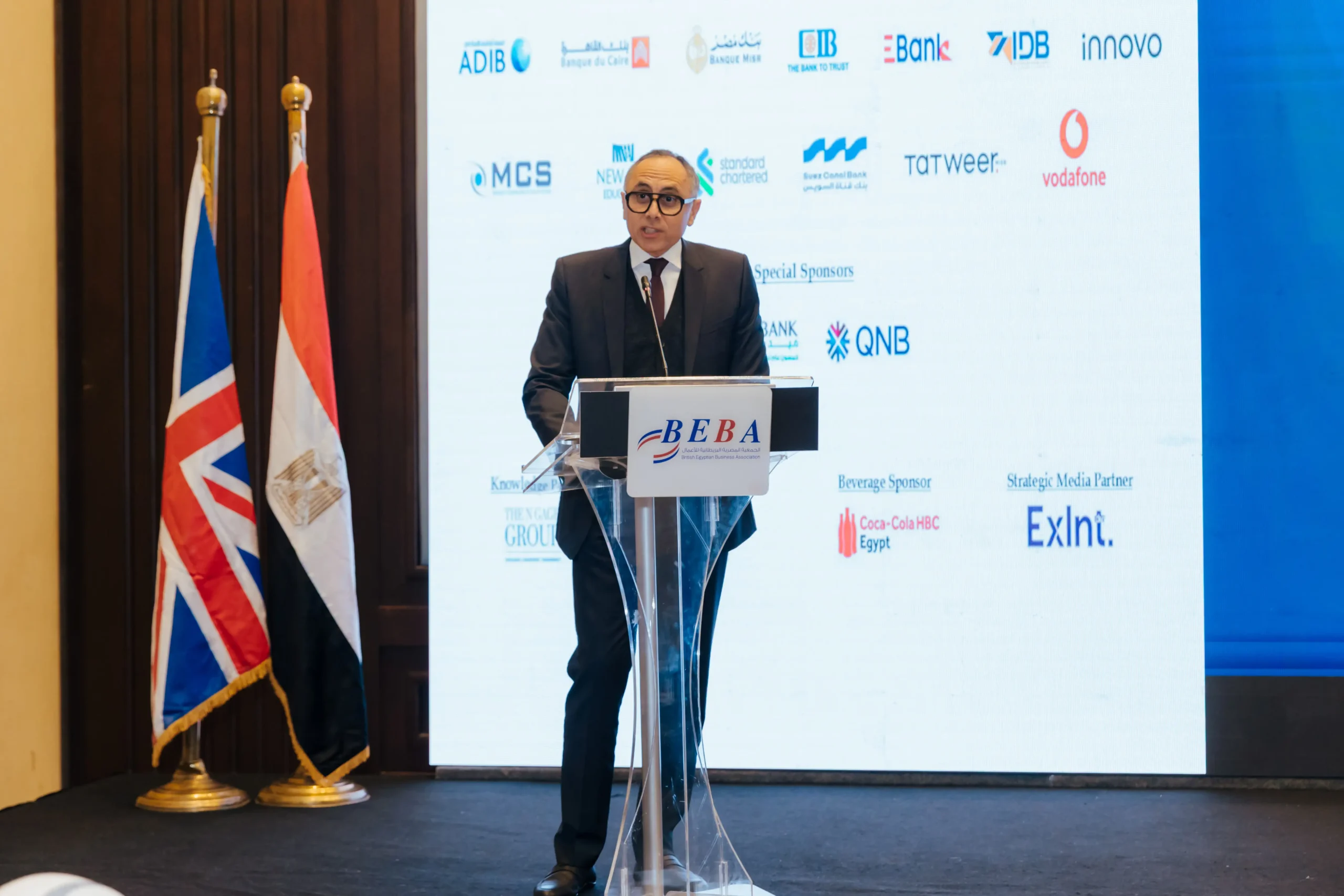
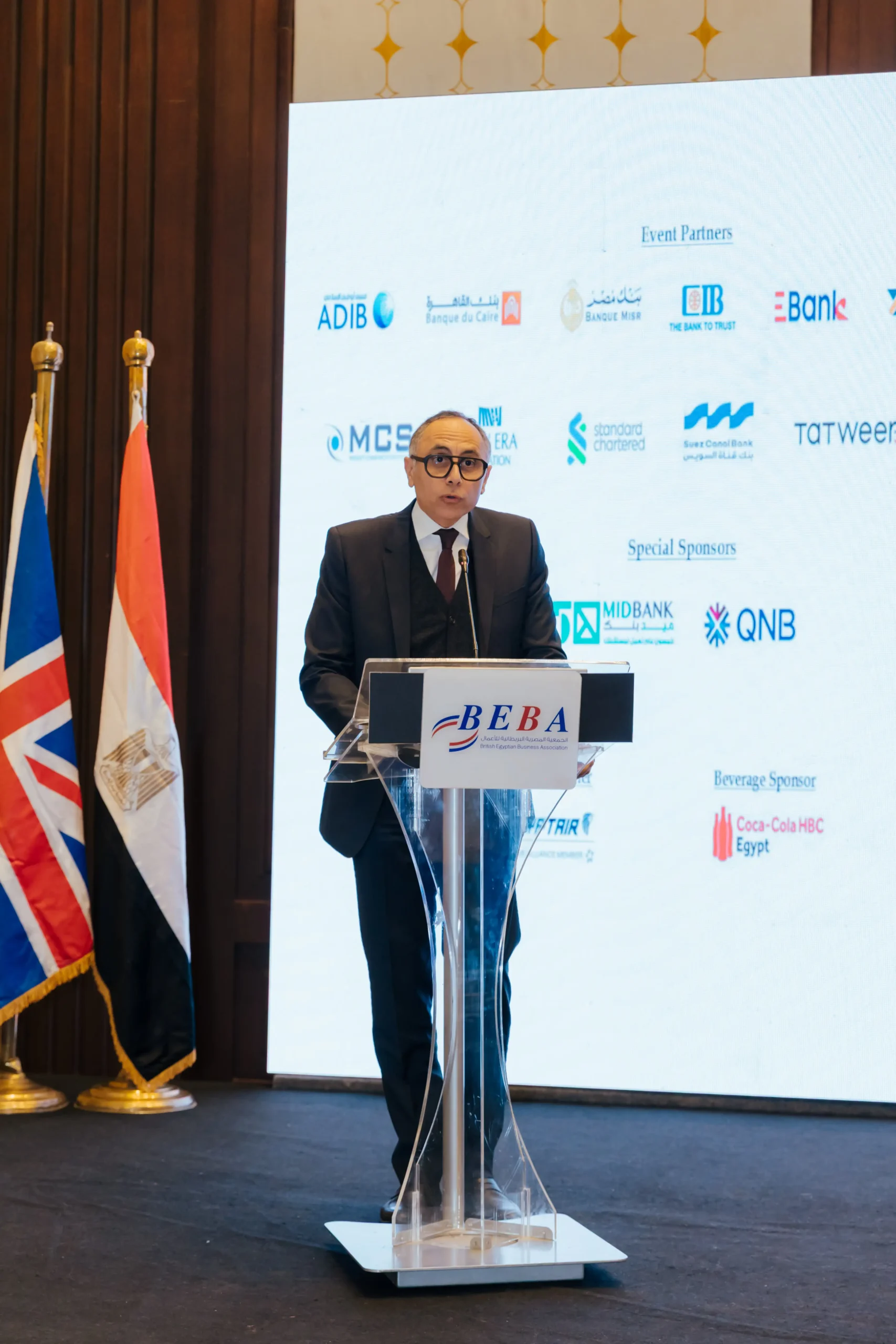
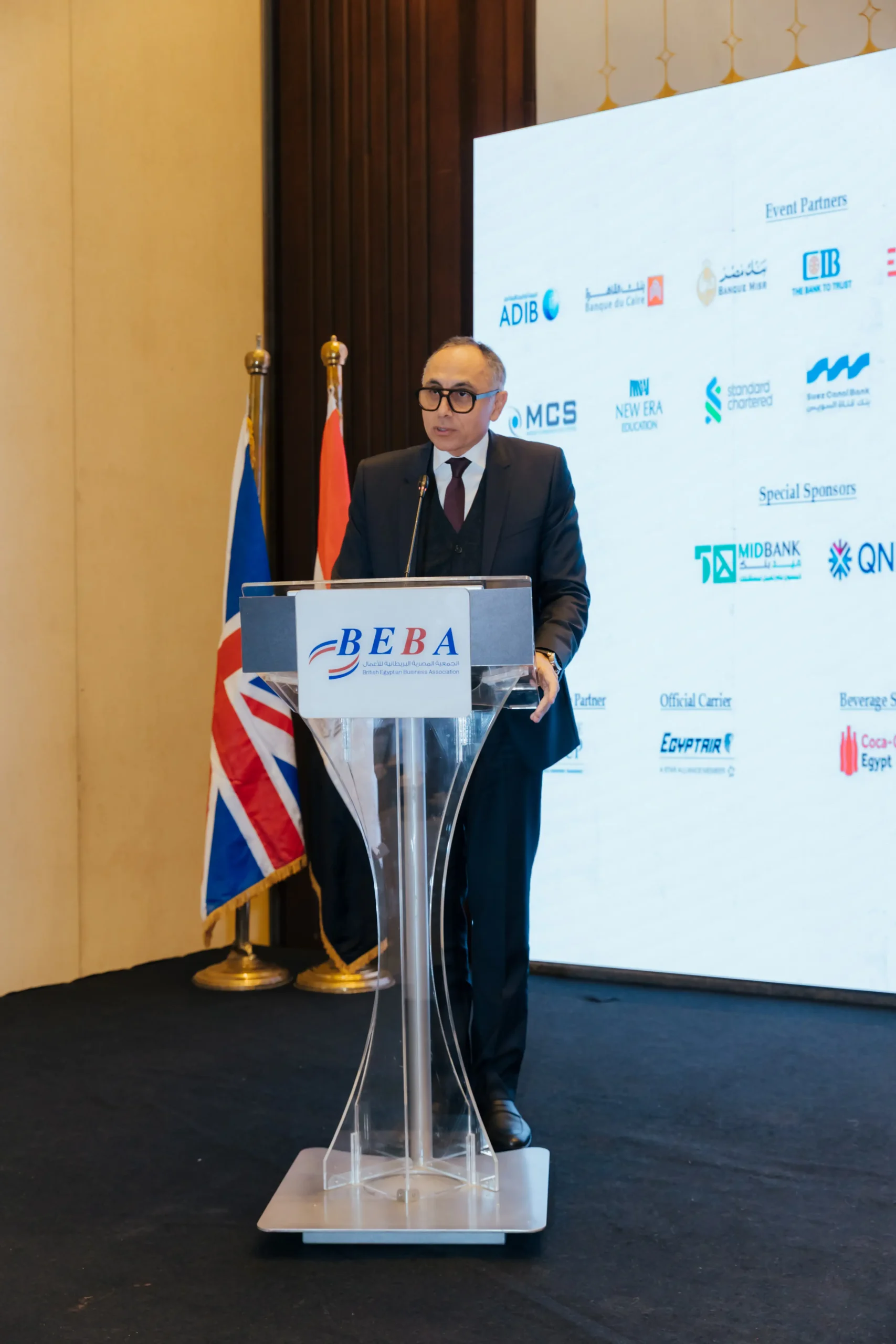
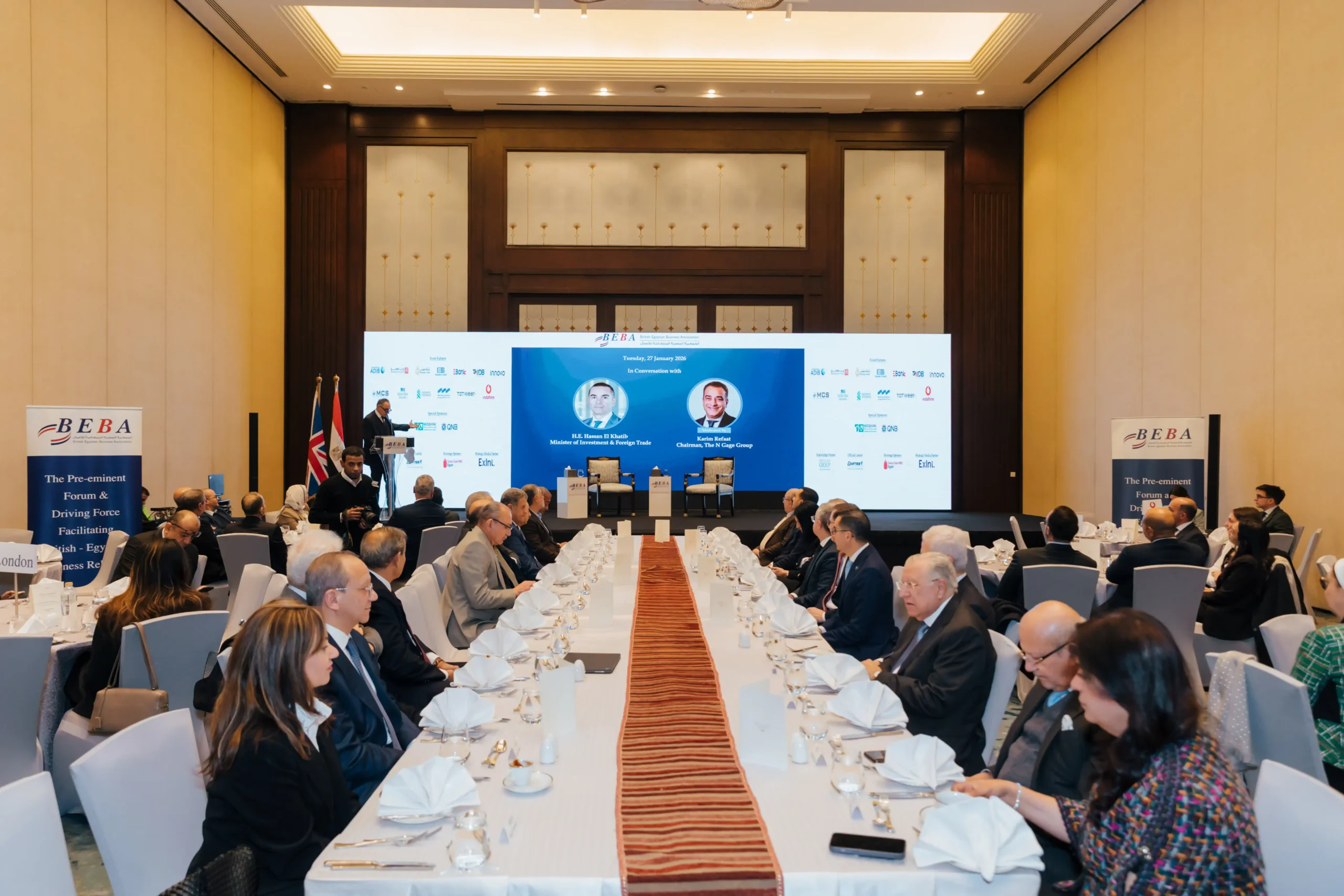
The event was held at Sofitel Cairo Downtown, (previously Conrad Hotel), Obelisk Ballroom, From 5:30 pm to 8:00 pm on Tuesday, 27th of January, 2026.
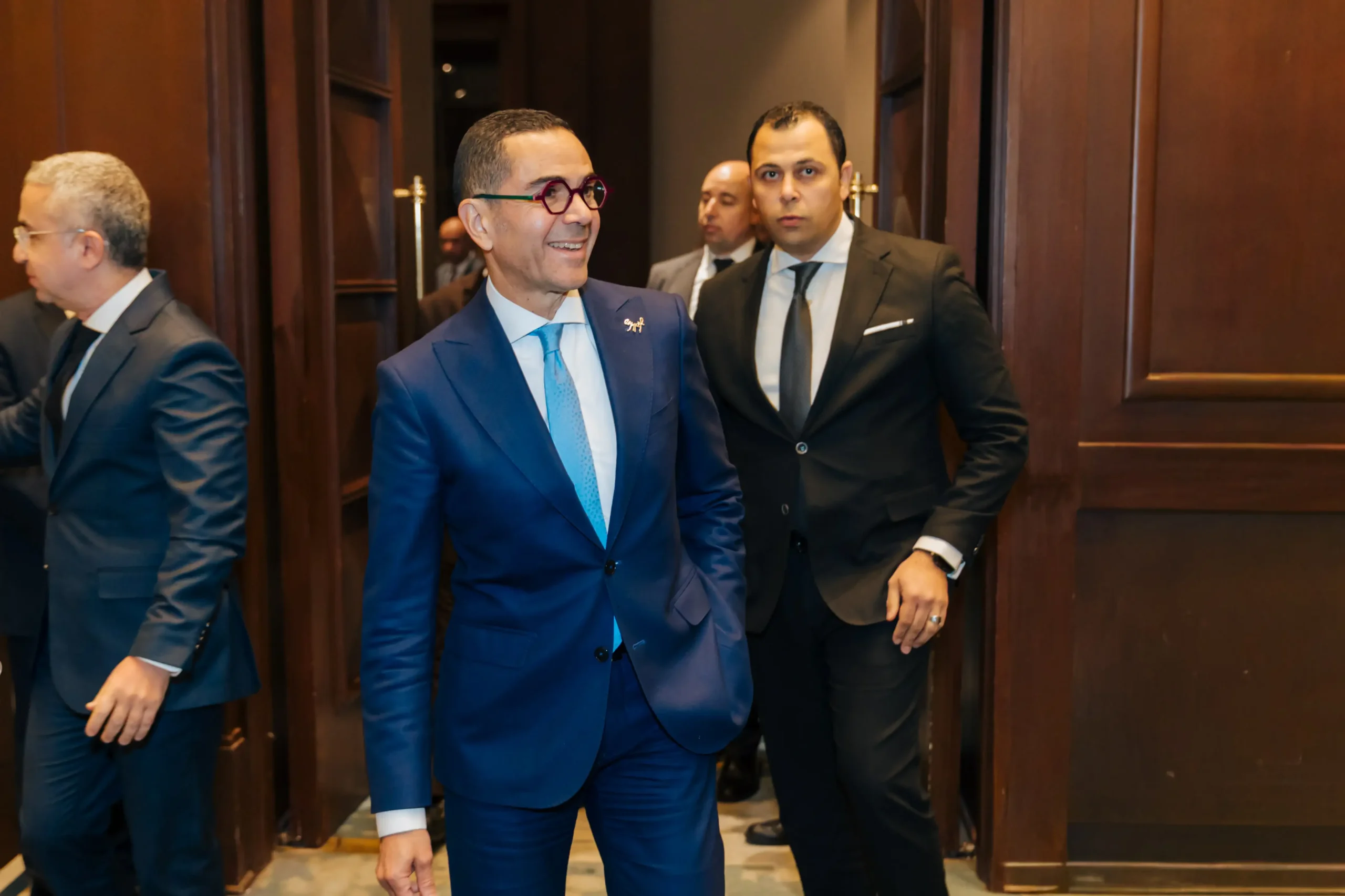
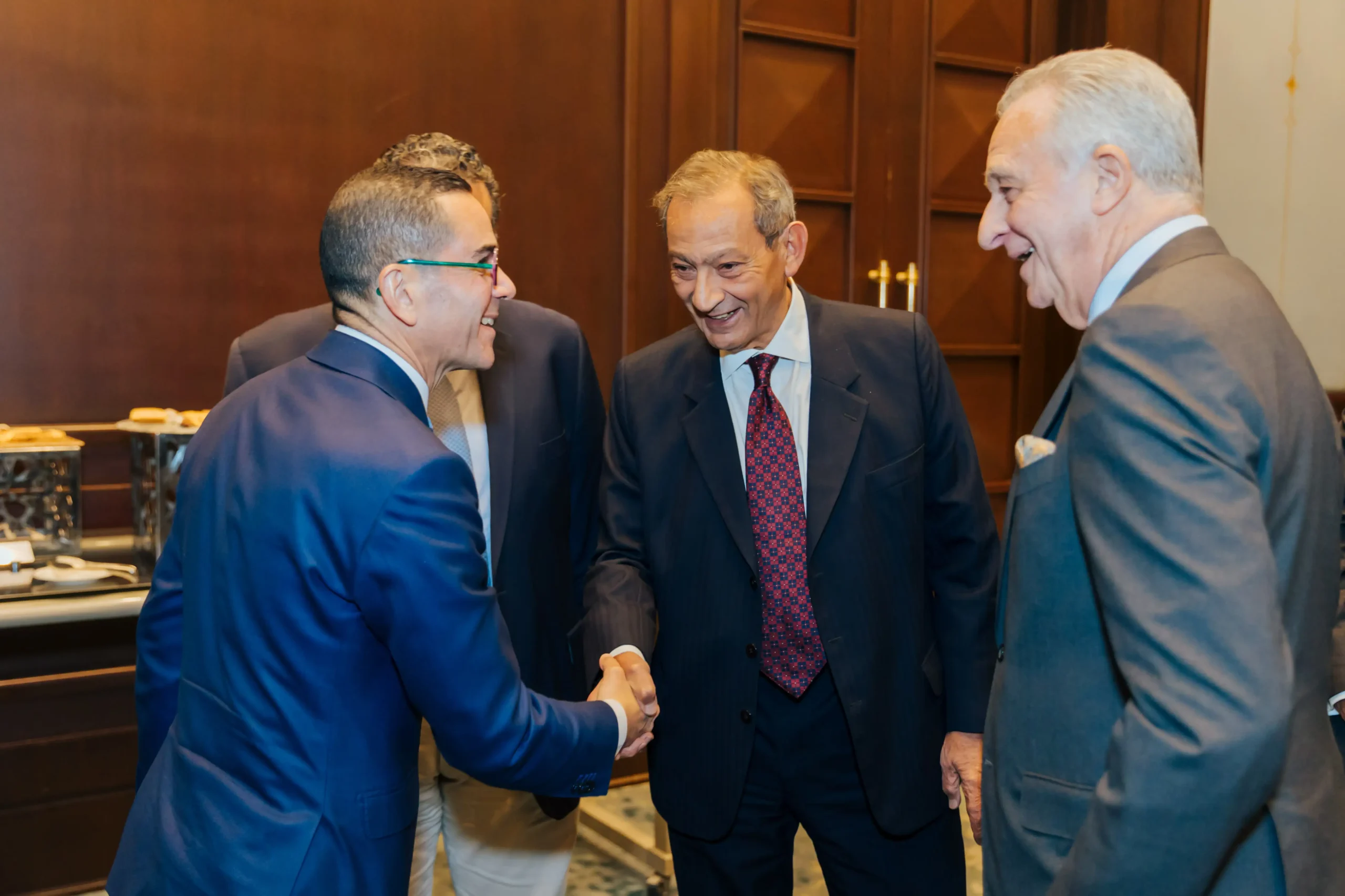
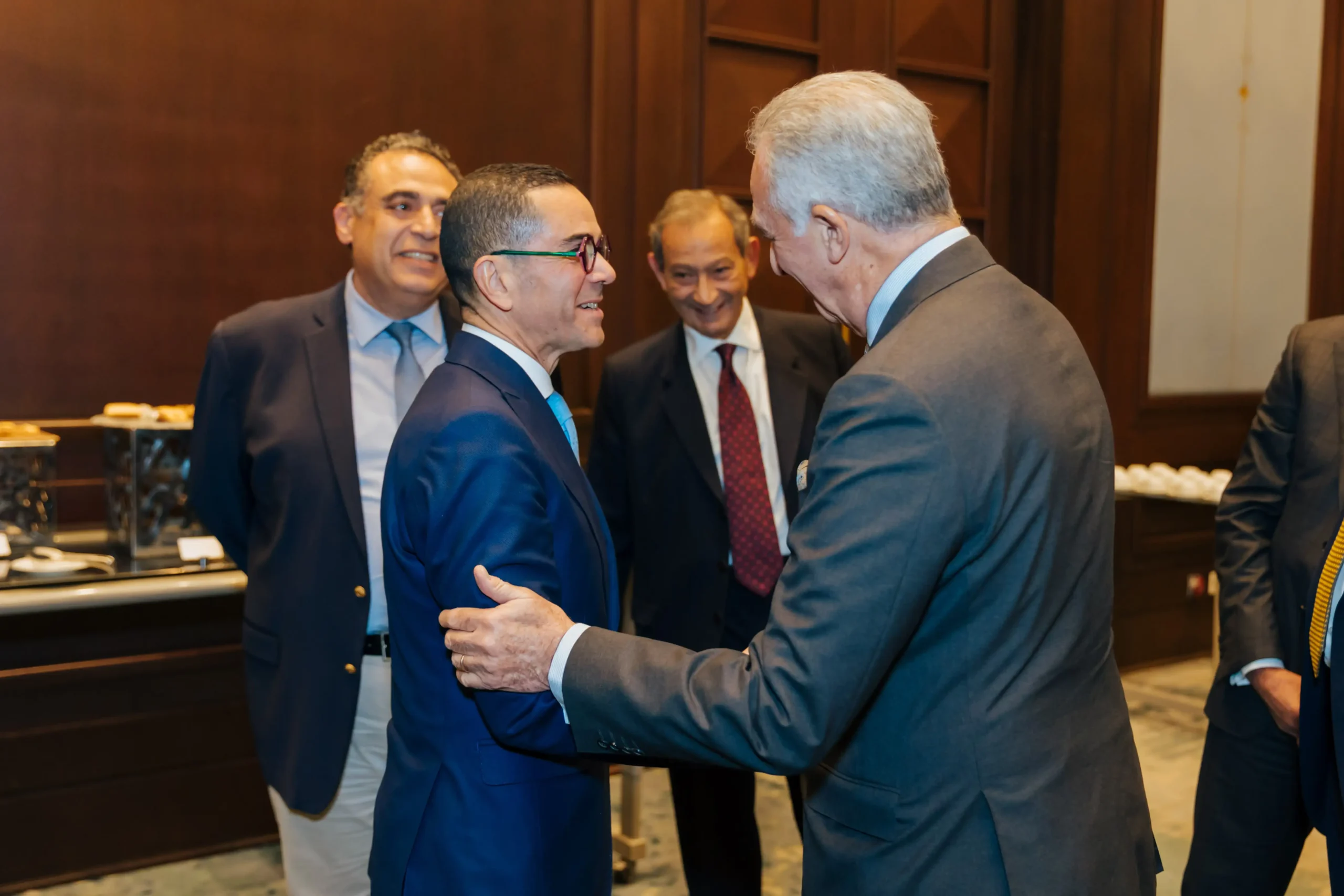
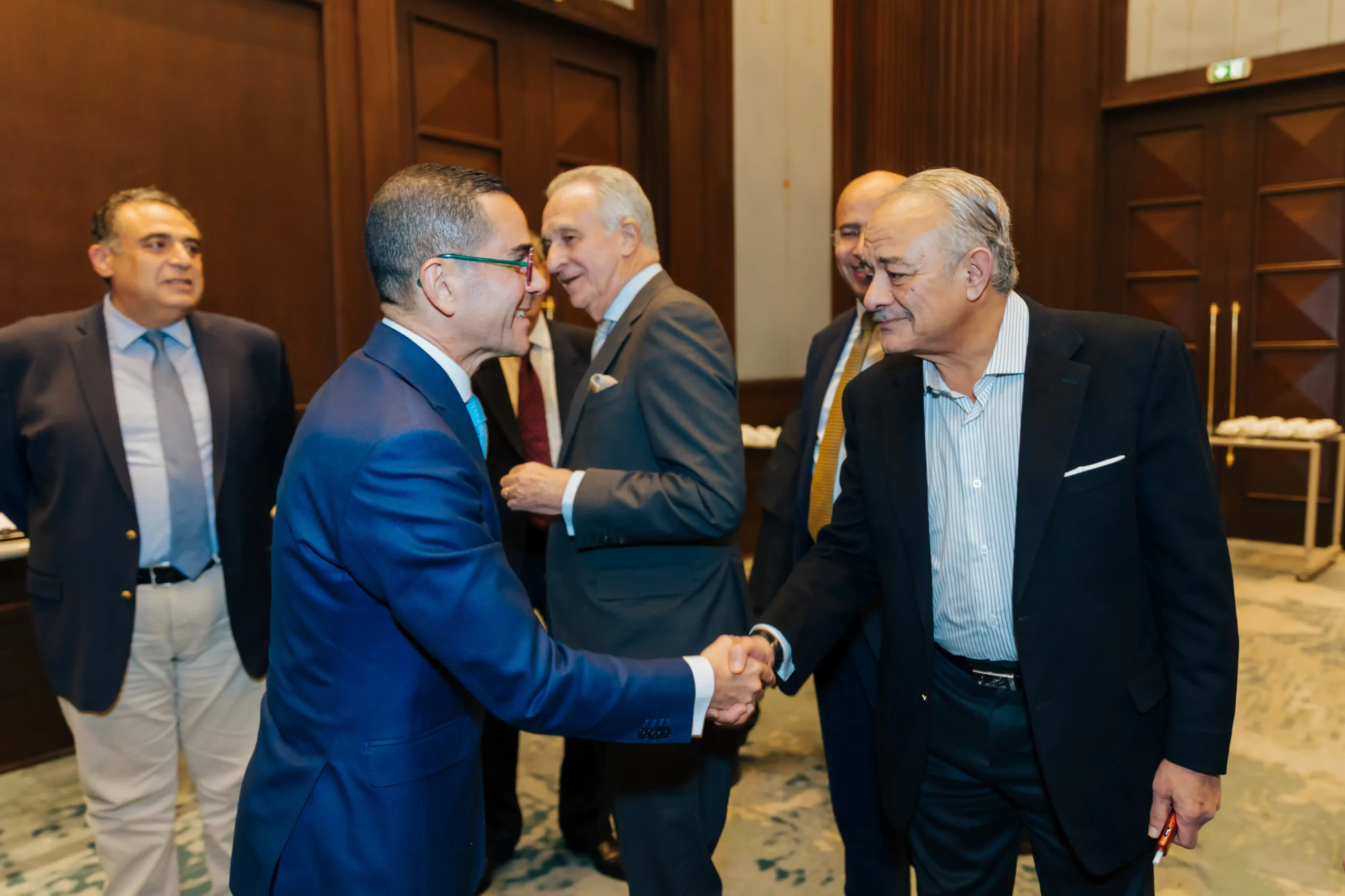
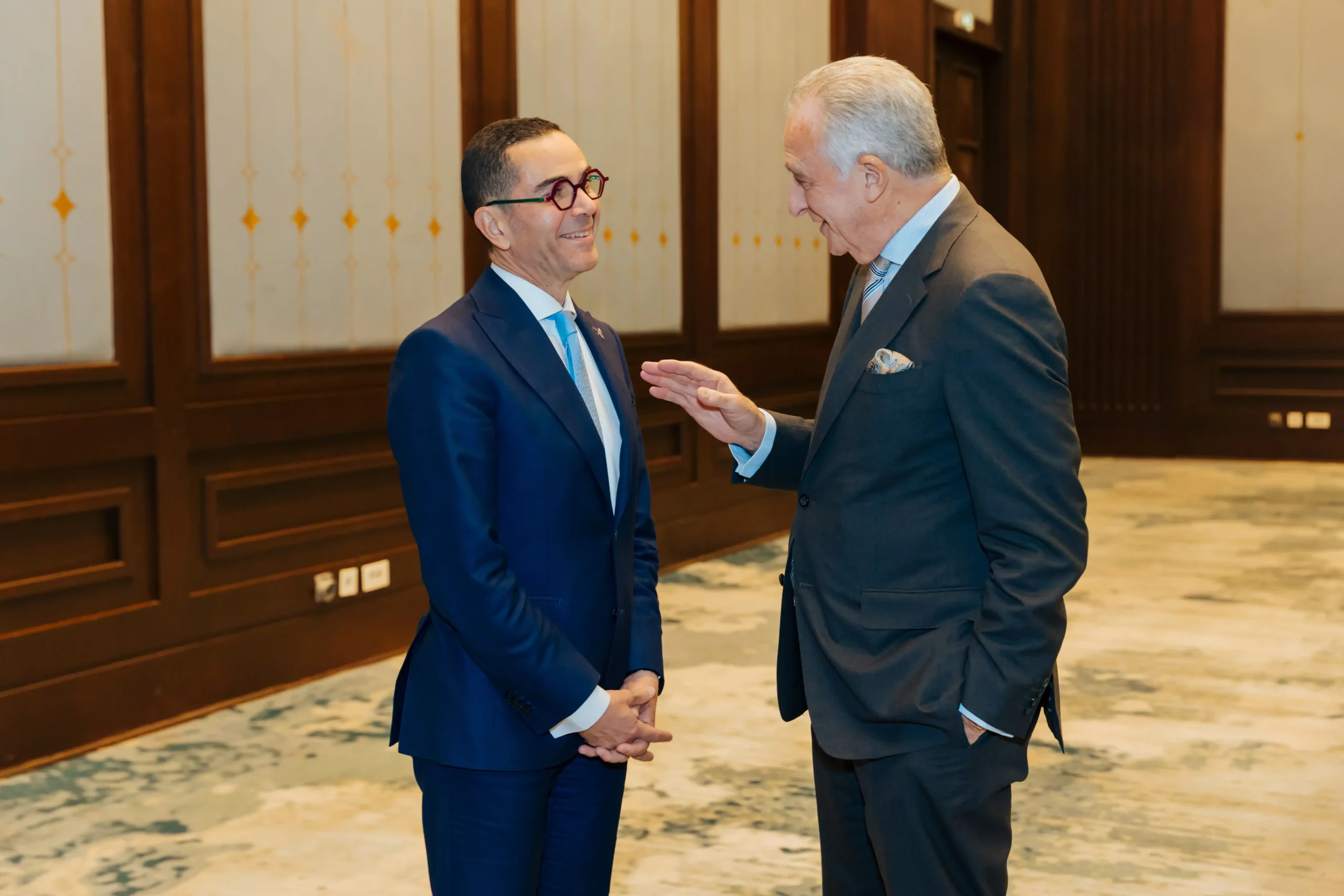
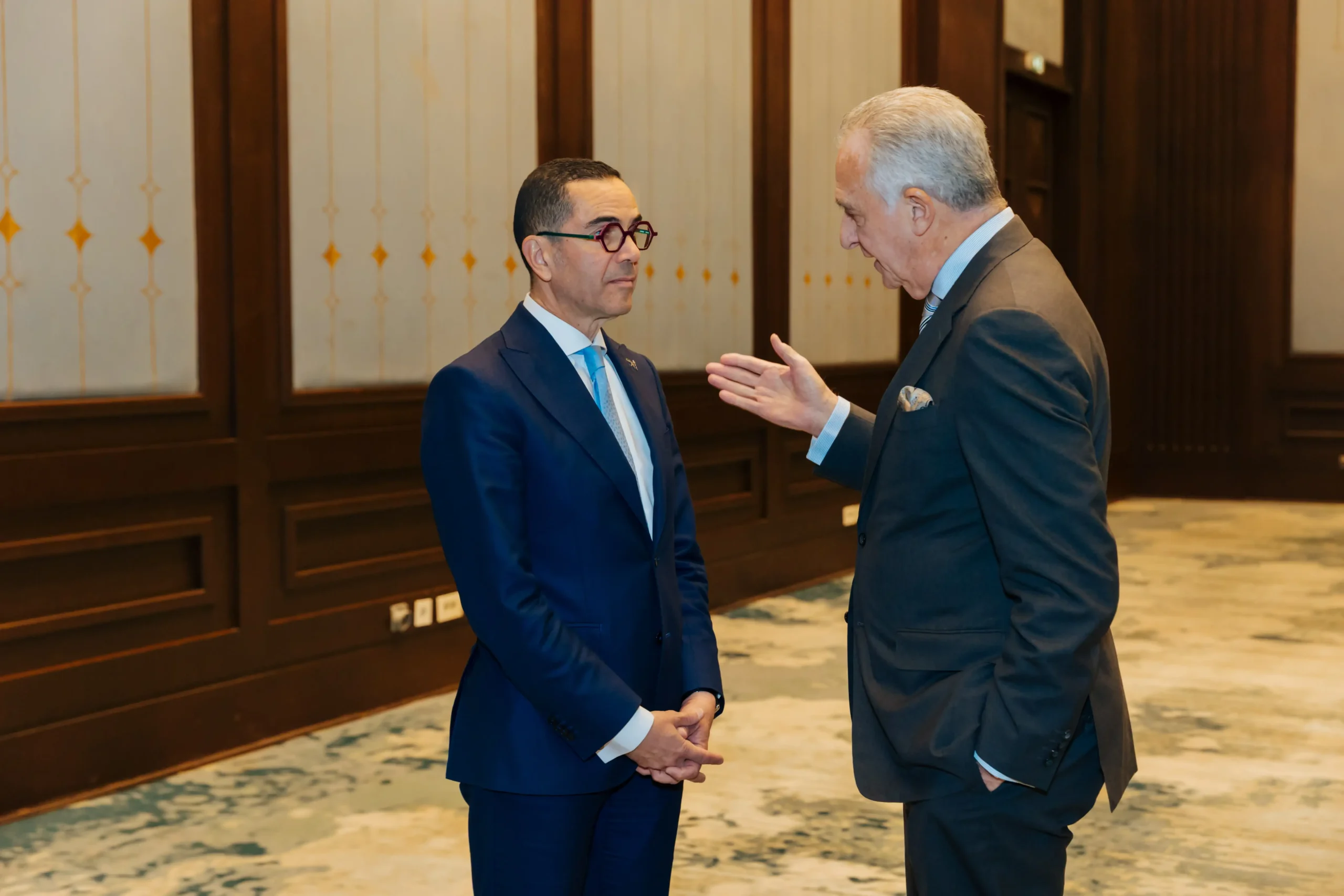
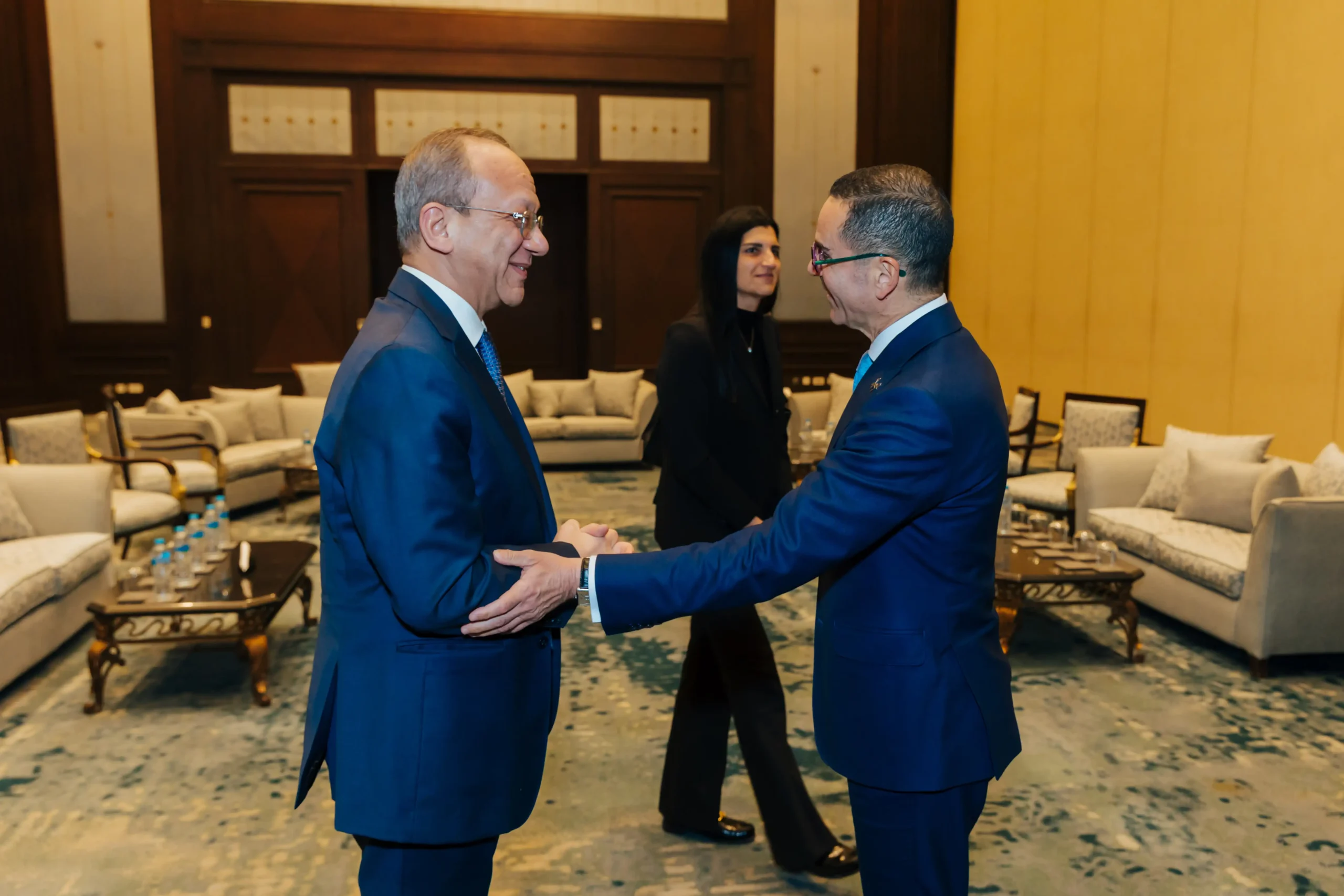
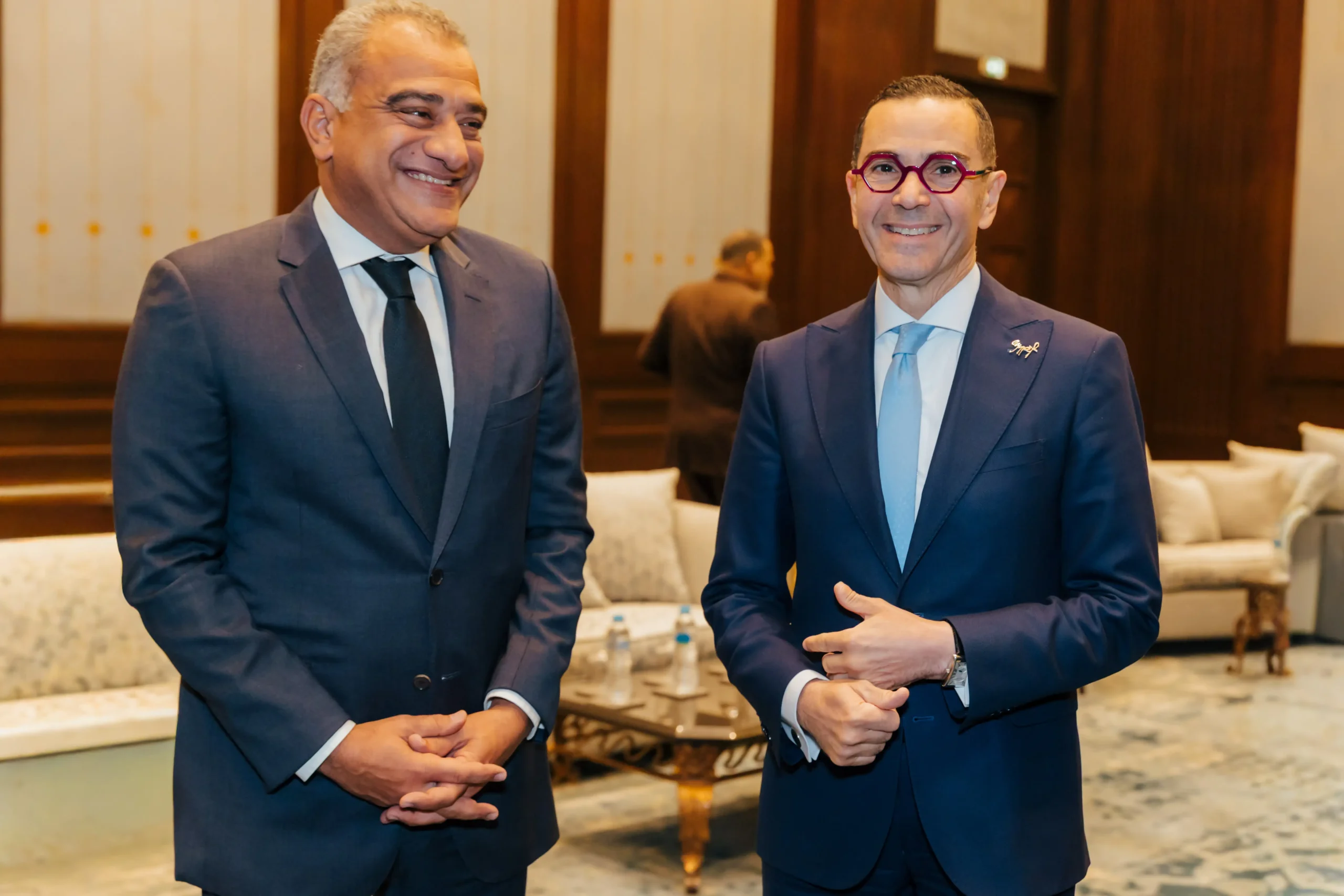
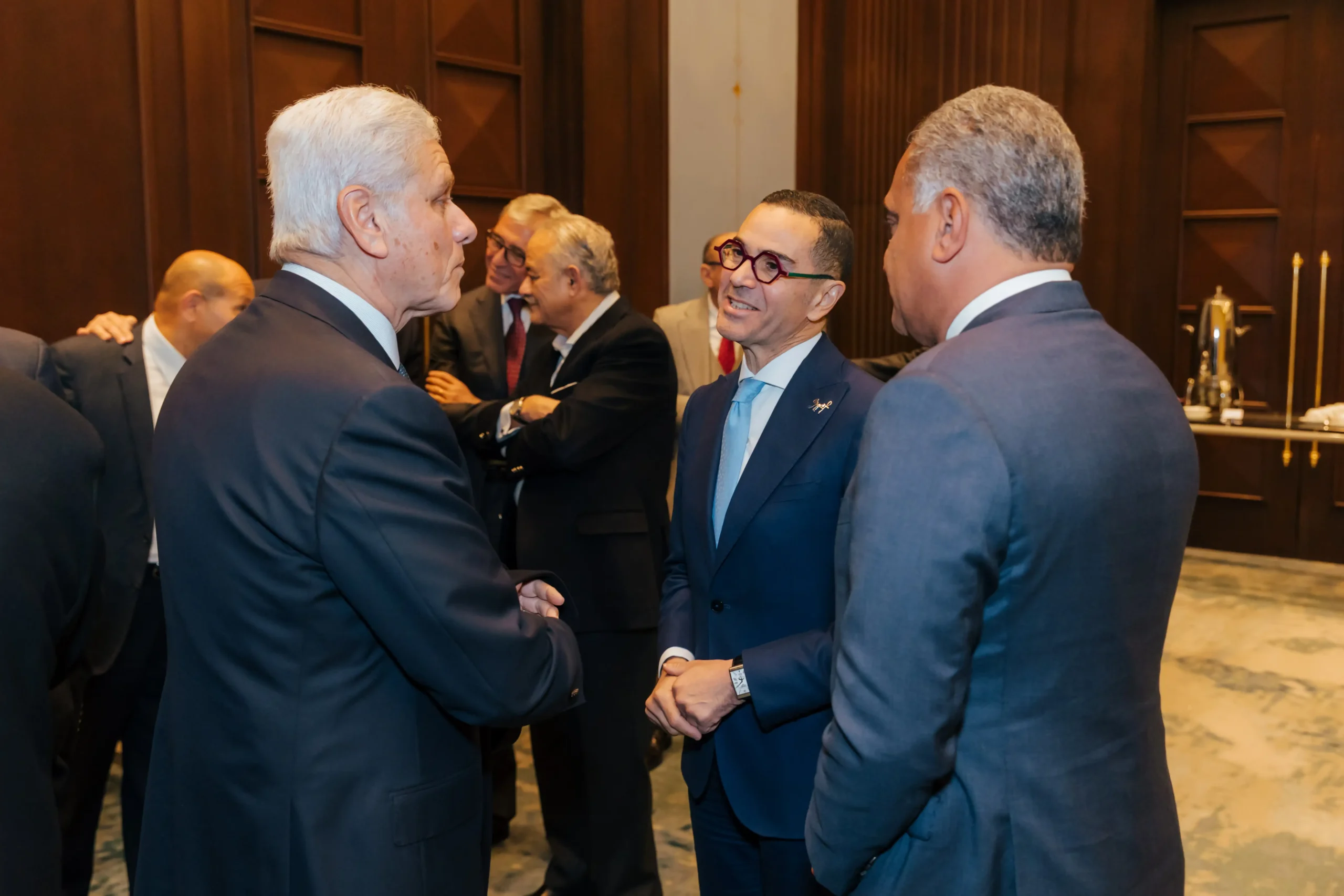
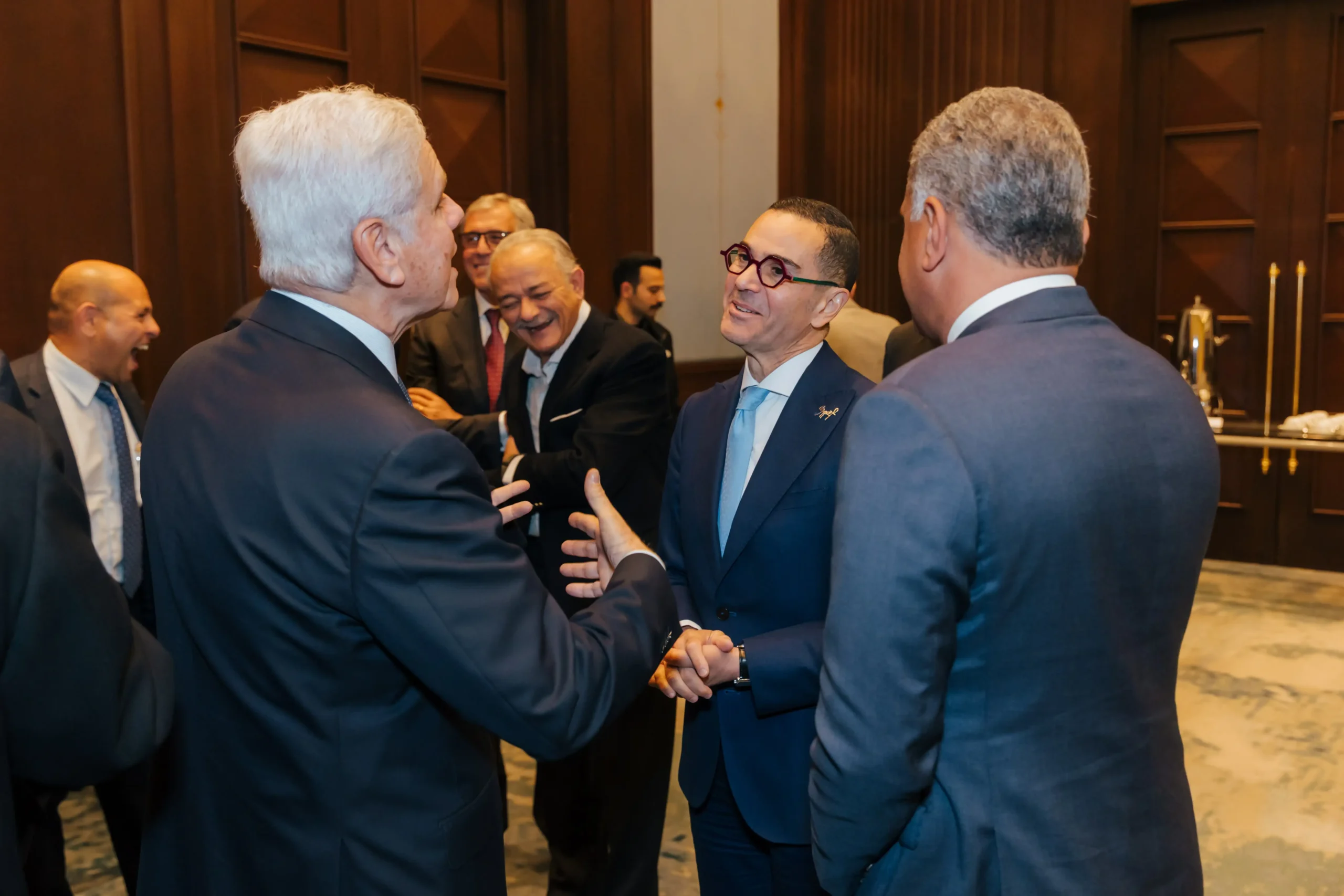
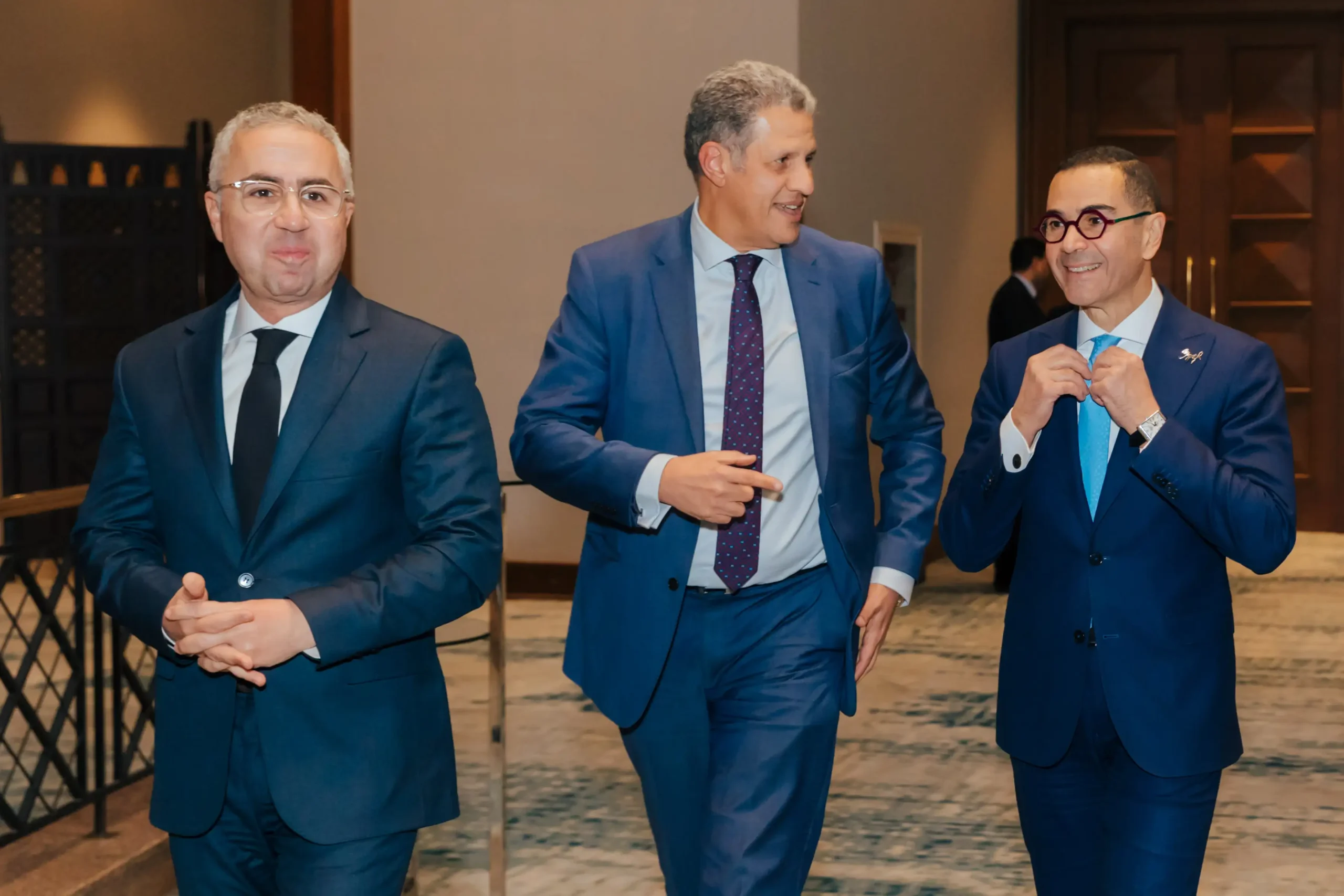
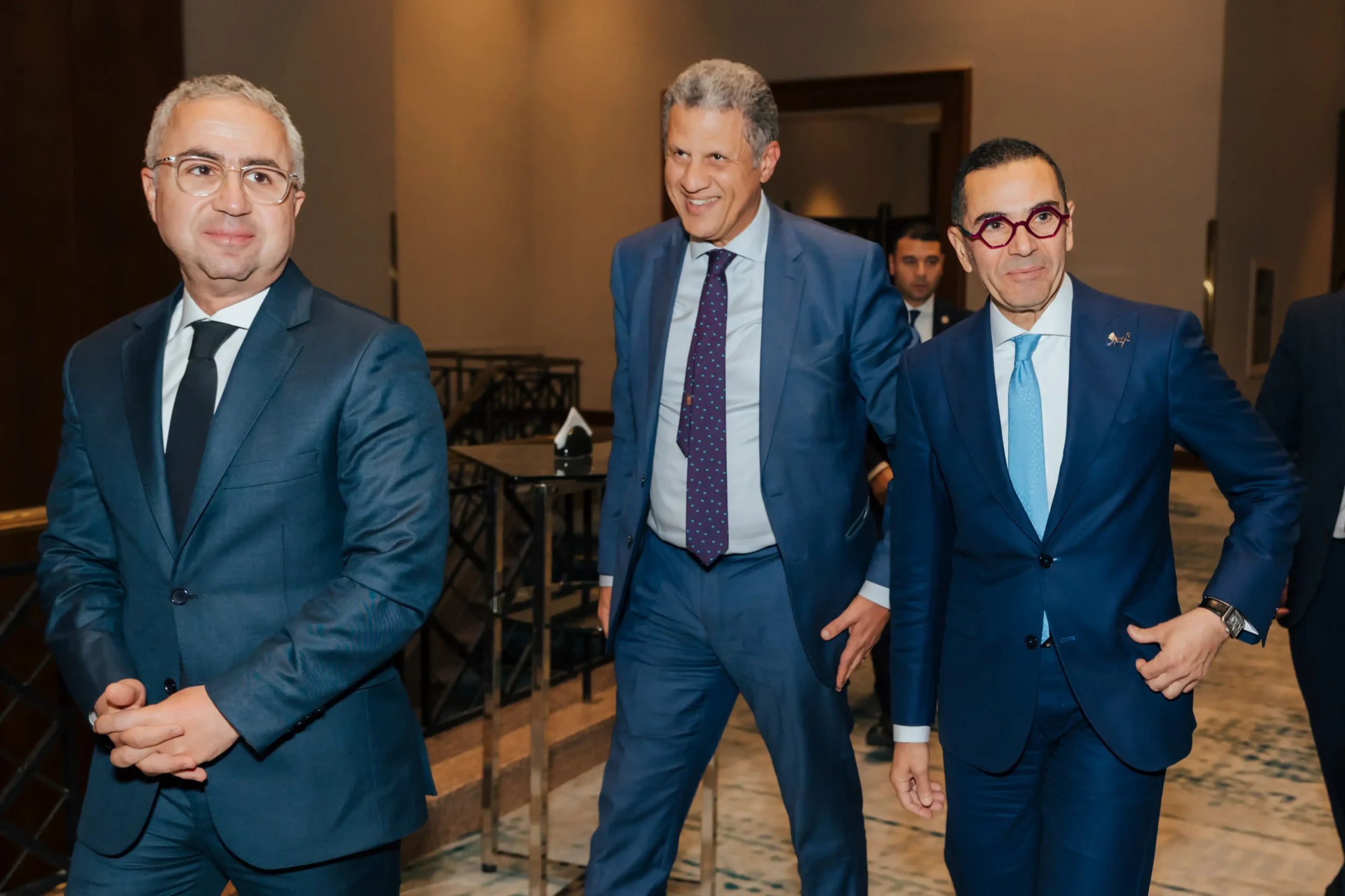
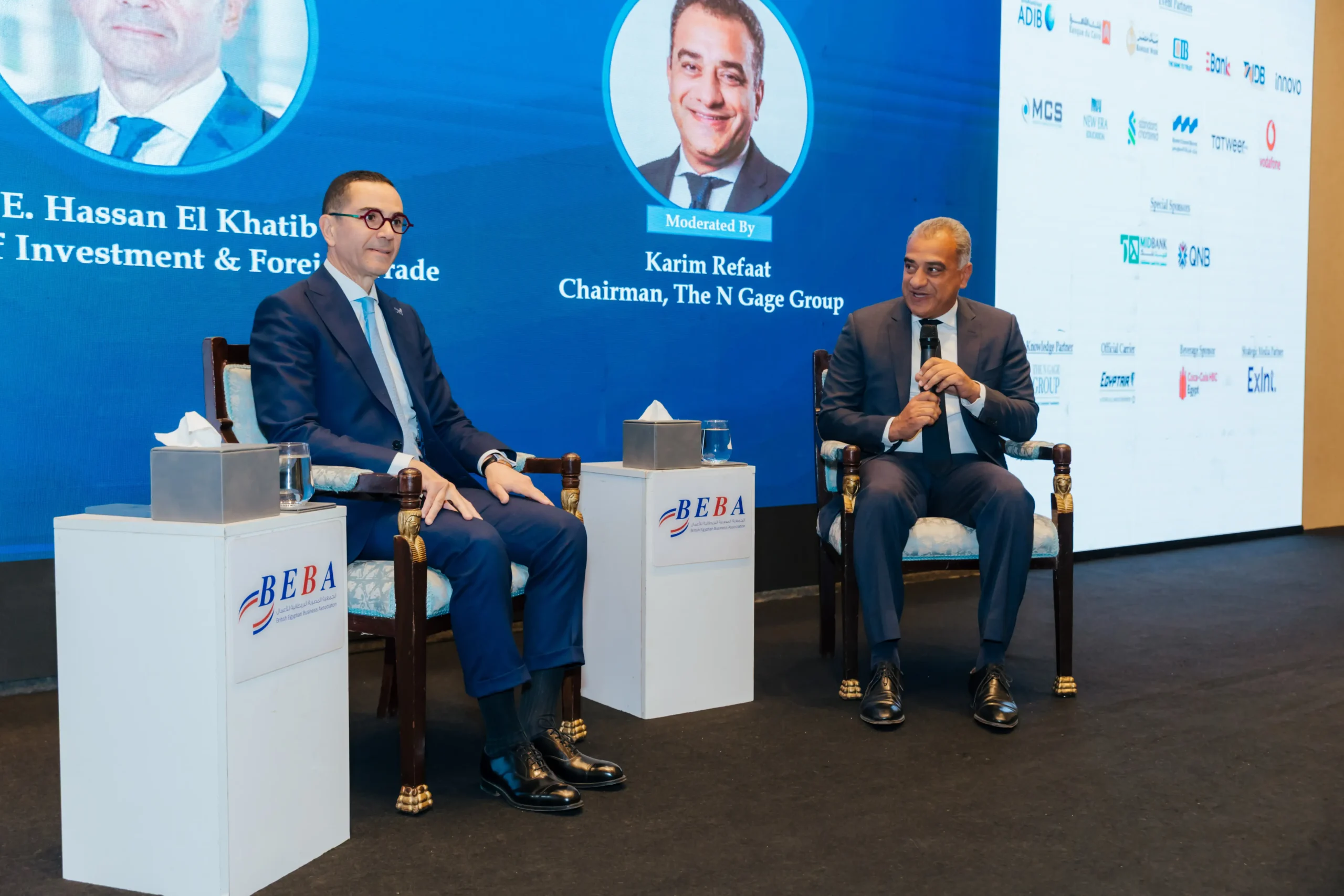
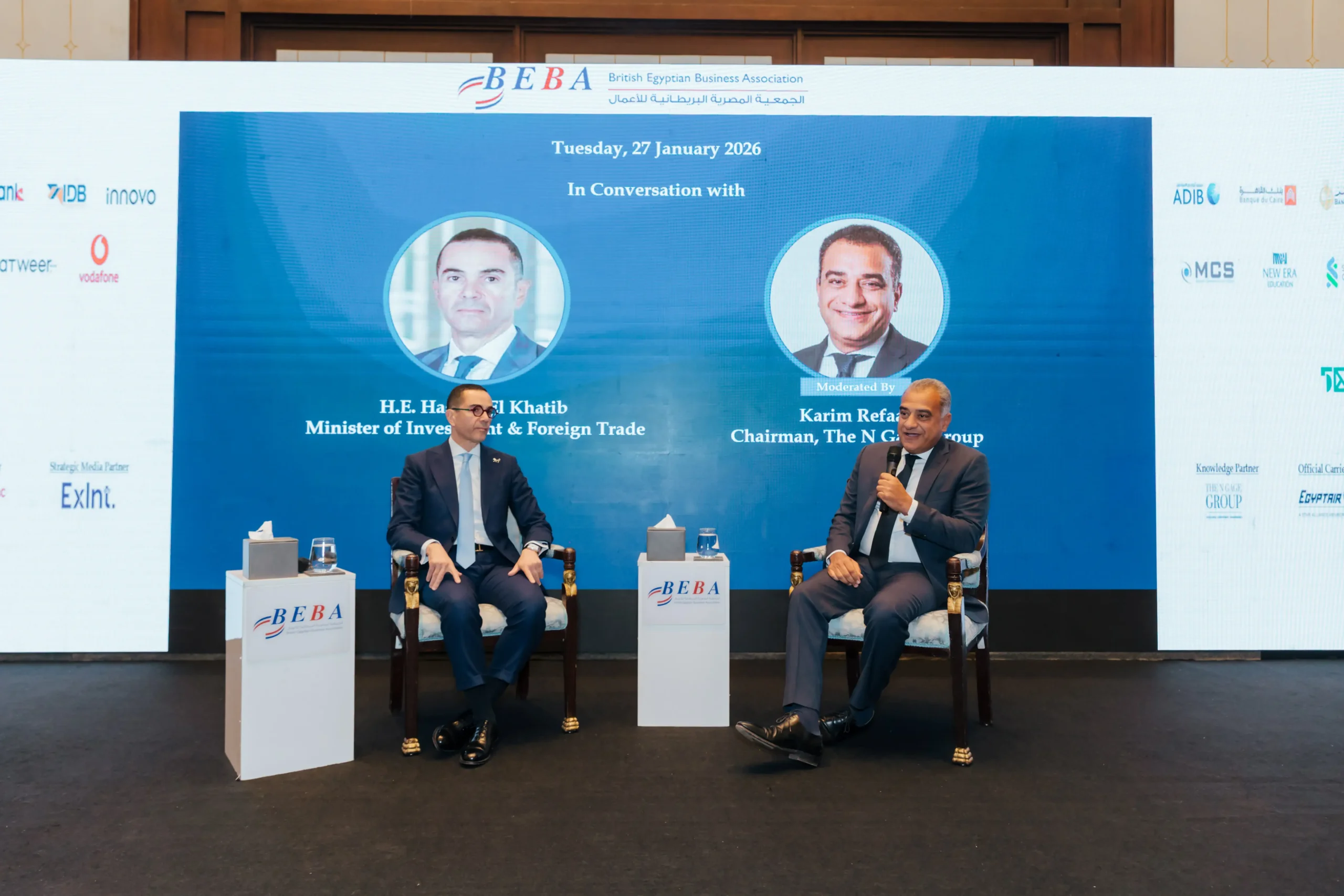
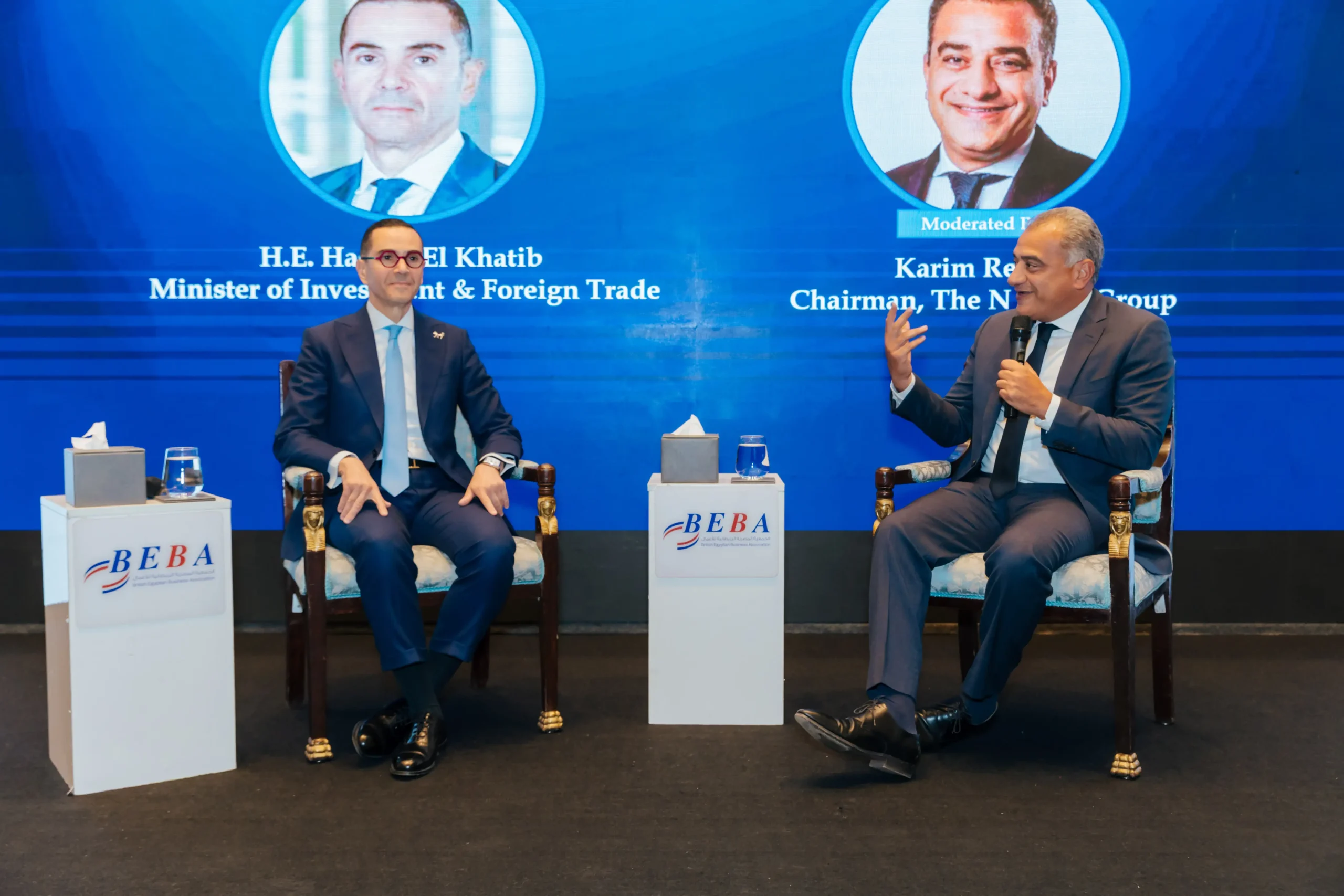
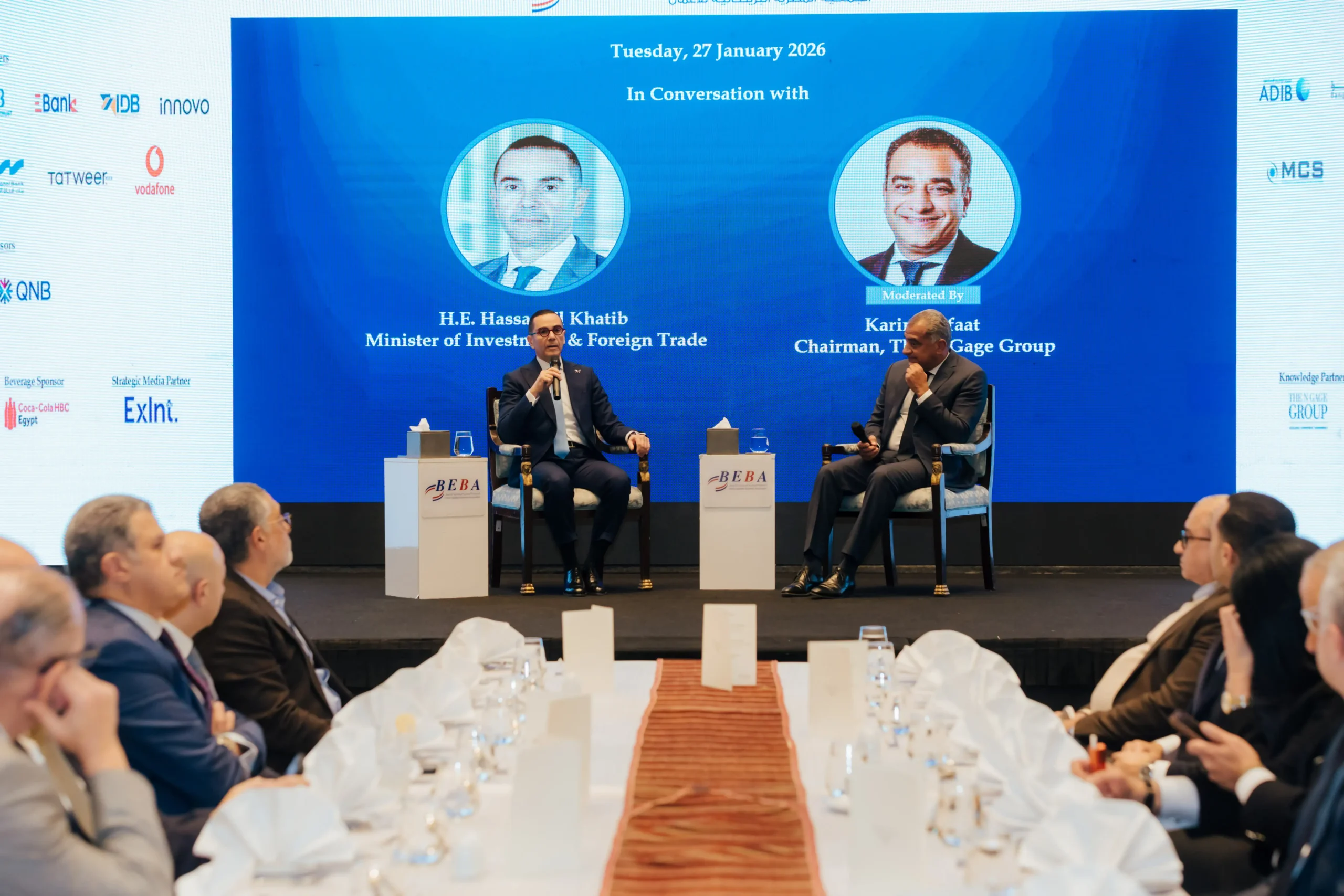
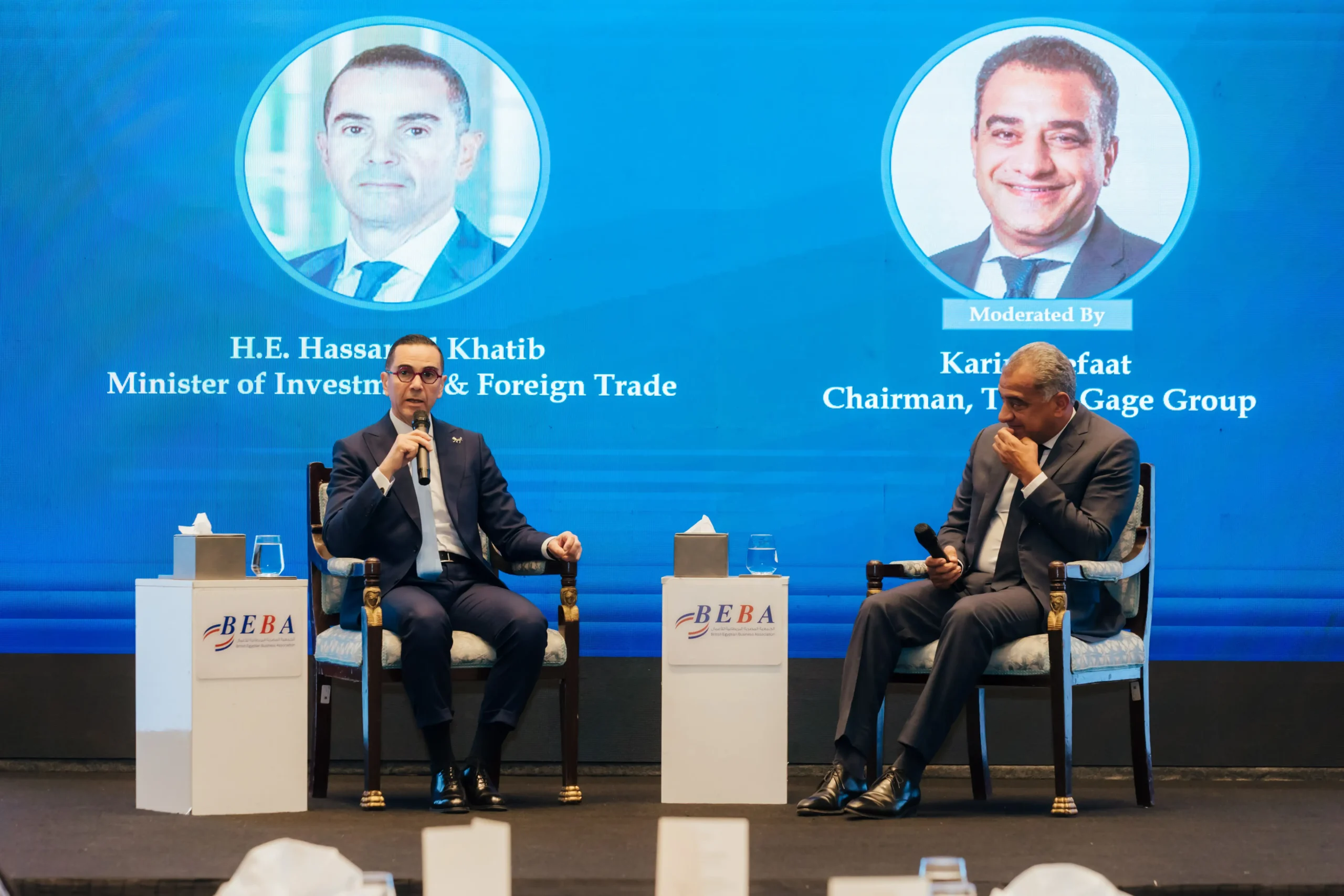
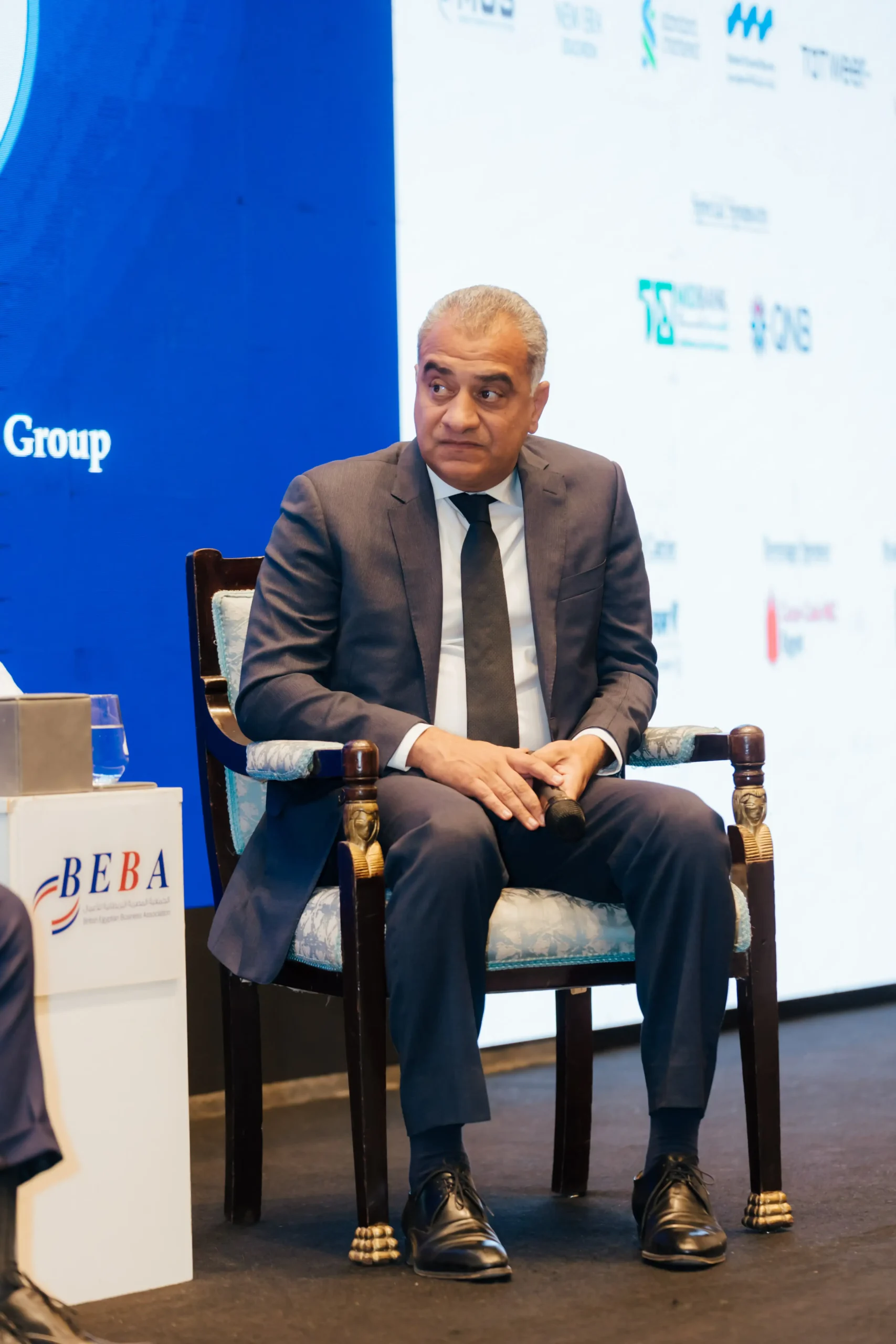
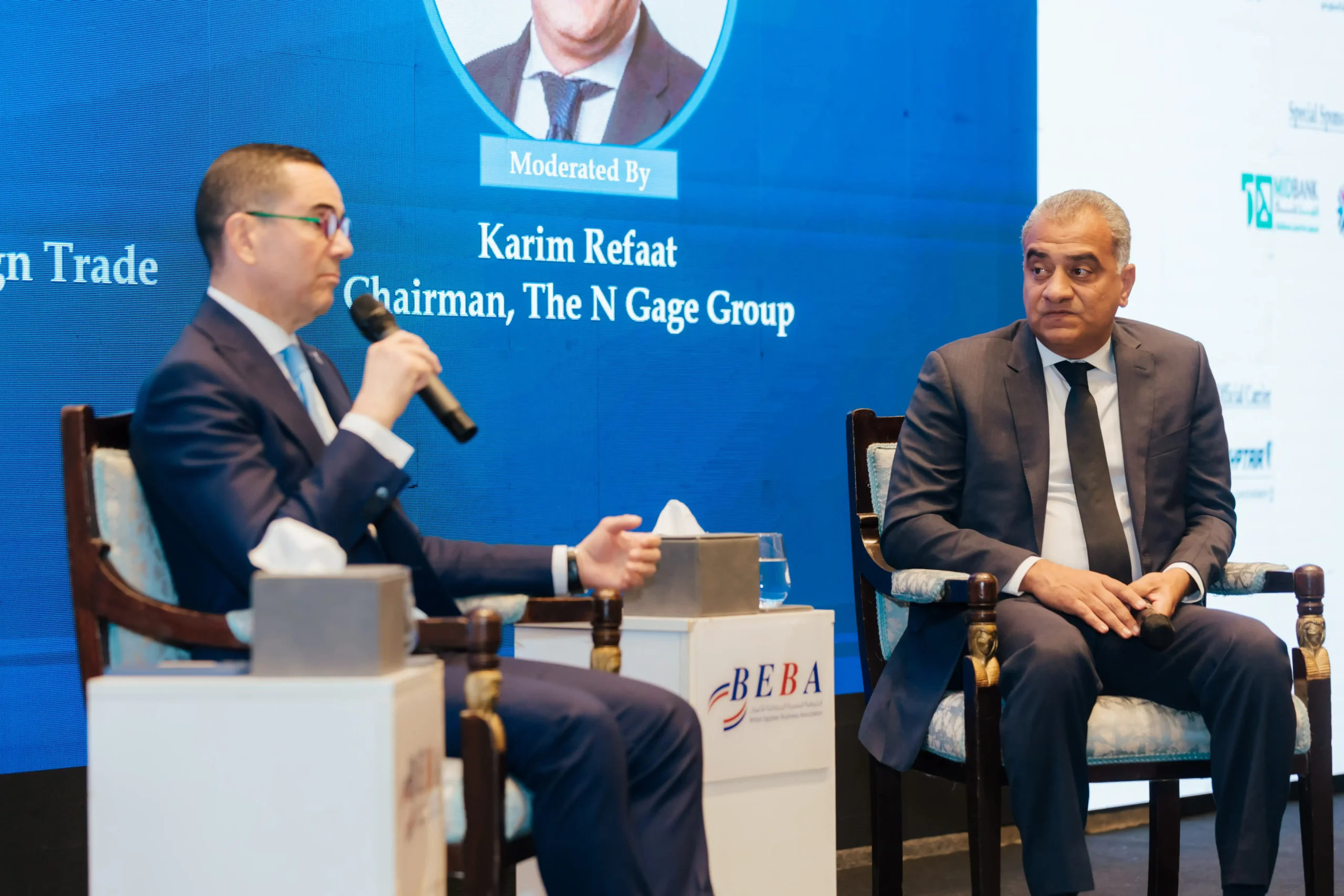
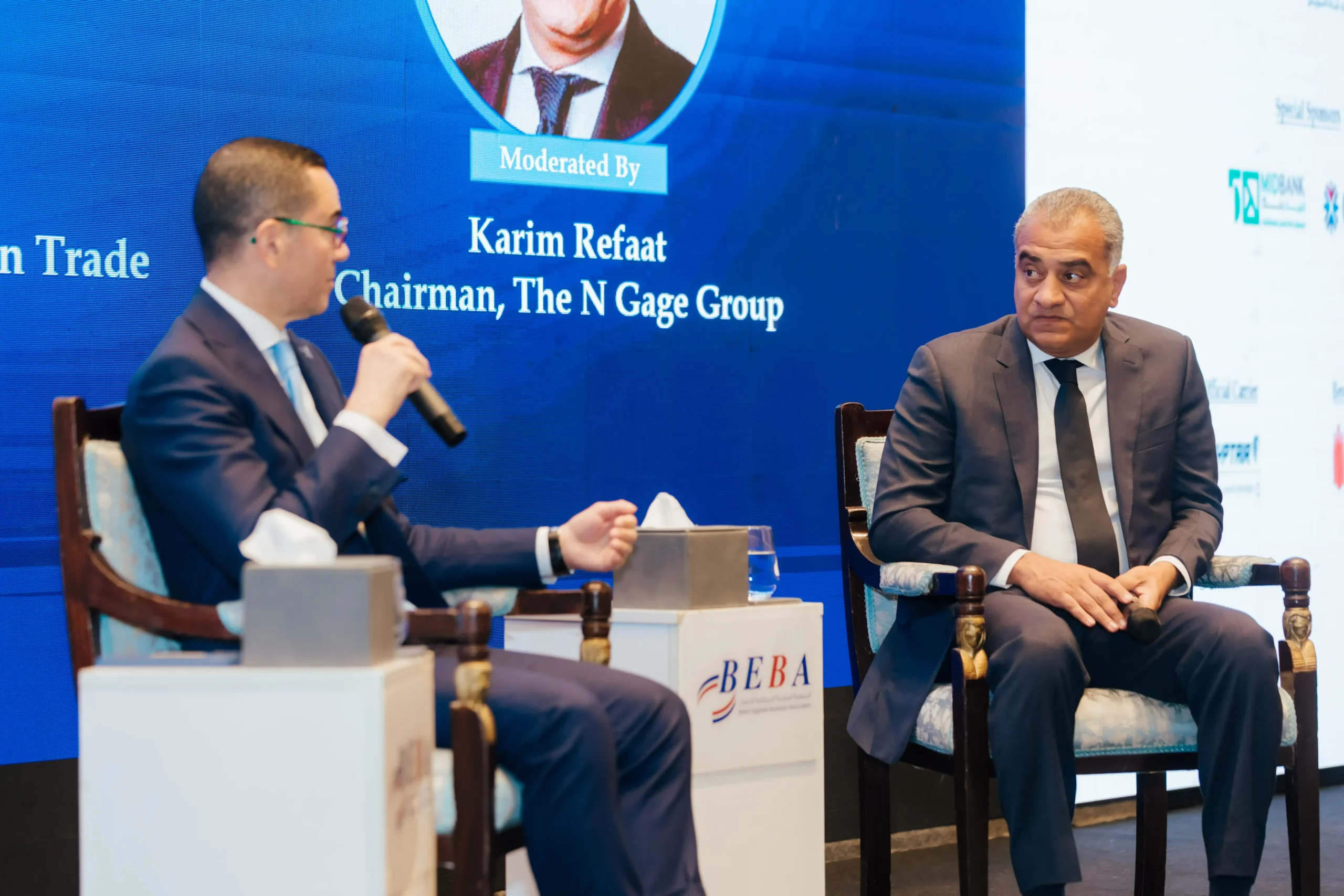
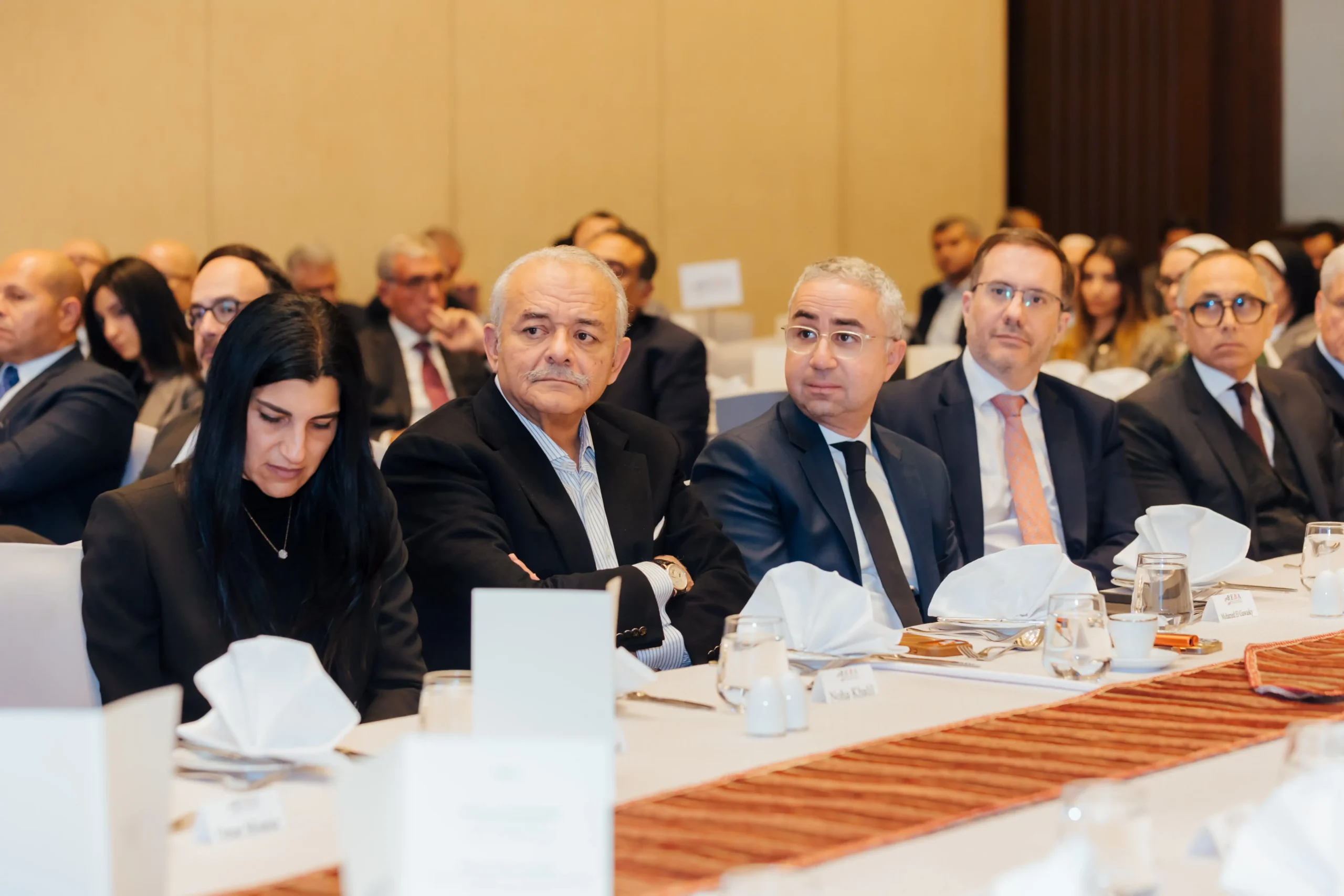
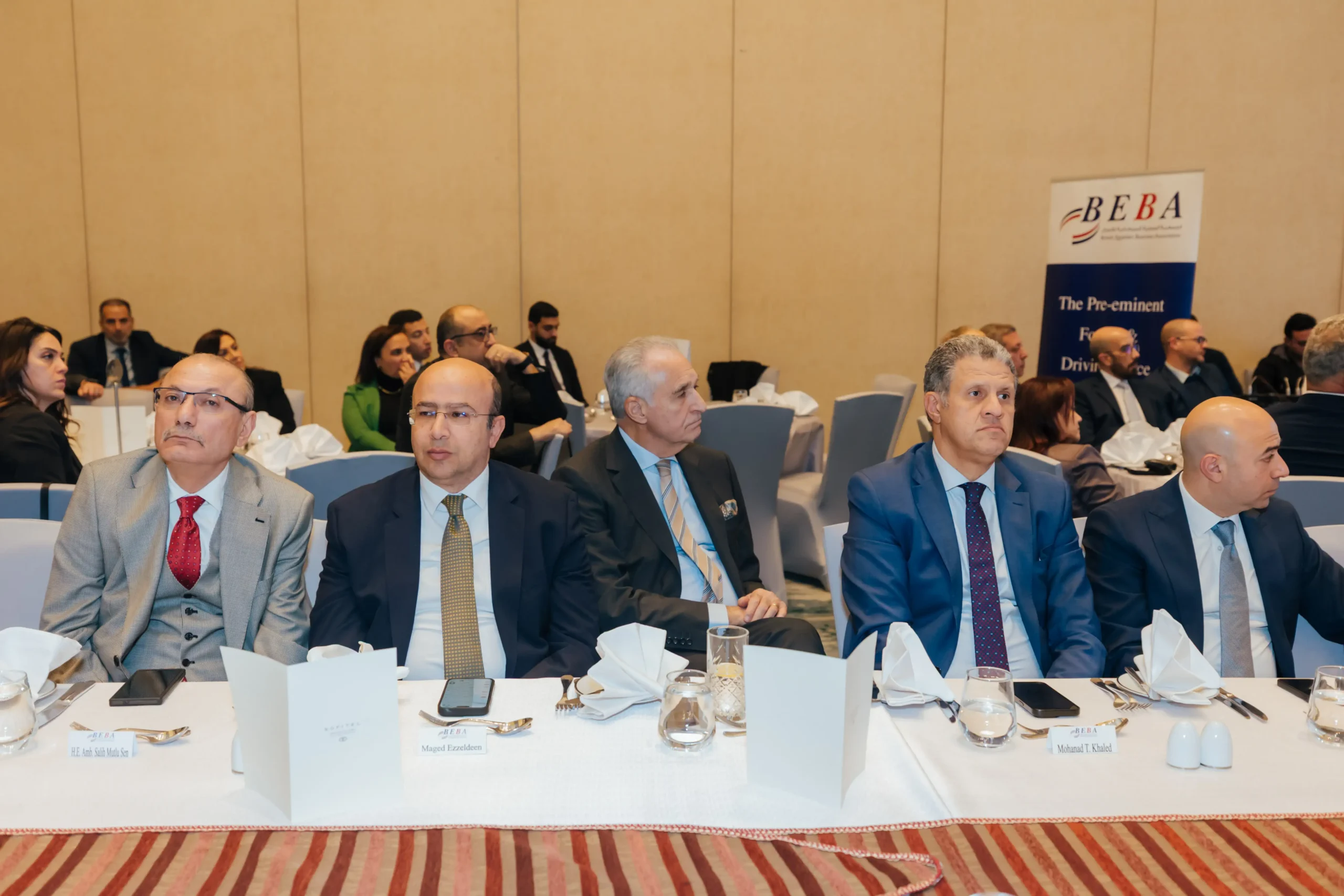
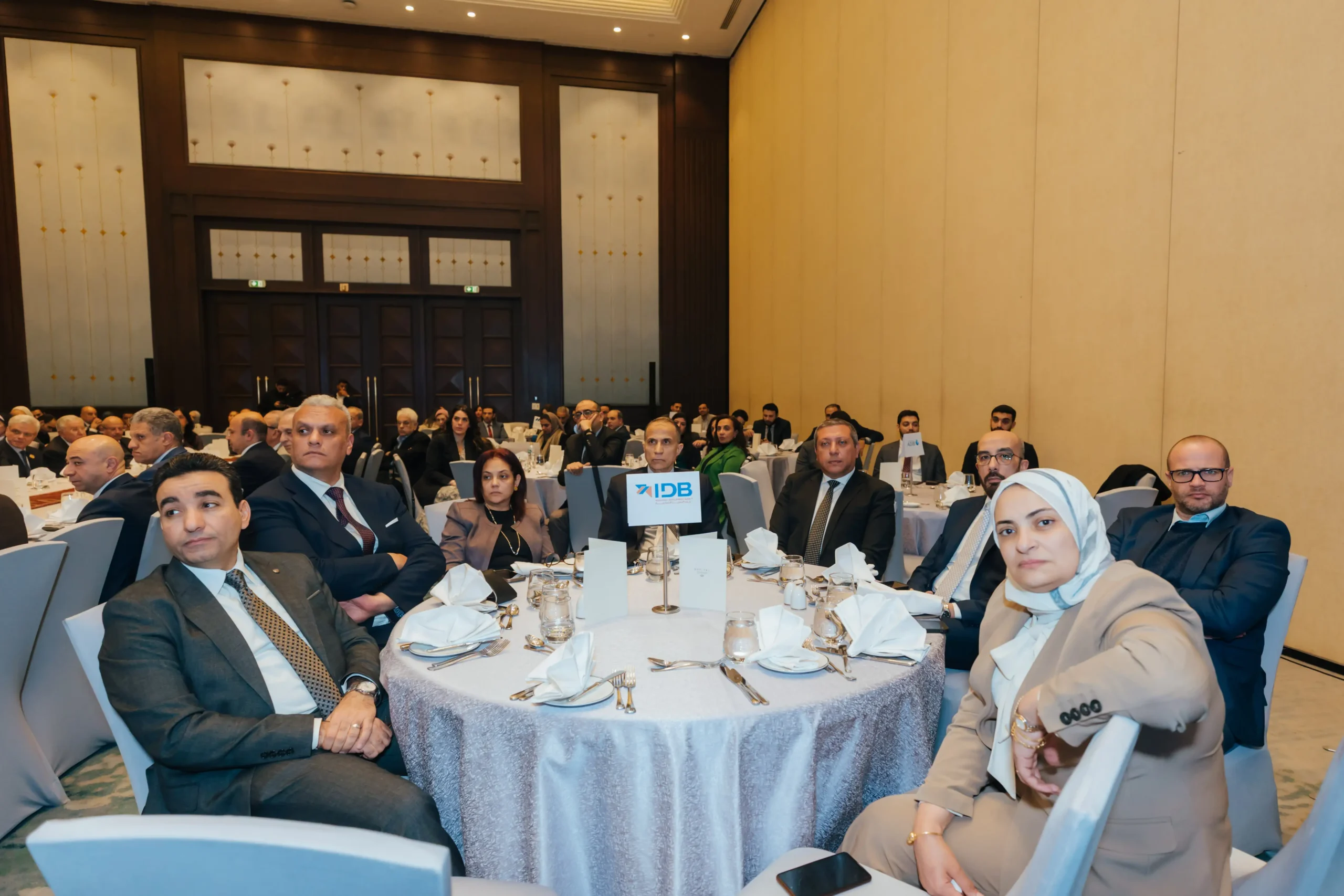
H.E. Engineer Hassan El-Khatib, Minister of Investment and Foreign Trade, participated in a discussion session organized by the British Egyptian Business Association (BEBA), attended by a select group of investors. The session was moderated by Karim Refaat, Chairman of The N Gage Group.
The Minister highlighted Egypt’s extensive network of trade agreements, among them the Partnership Agreement with the European Union, Arab trade agreements, COMESA, and the African Continental Free Trade Area, in addition to trade arrangements with the United States—factors that position Egypt to attract investment and export to these markets.
He added that the state has invested heavily in developing infrastructure over the past ten years, particularly in the ports sector, where more than 100 kilometers of new berths have been added across Red Sea and Mediterranean ports. This has enhanced supply chain efficiency and the logistical readiness of the Egyptian economy. He emphasized that these investments are a critical driver for attracting foreign investment and reshoring industries.
The Minister affirmed that Egypt is a strategic partner for Europe and is capable of helping European companies maintain resilience and adaptability amid global changes. He invited European, British, and Swiss partners to inject investments into the Egyptian market as an opportunity for mutual benefit.
Regarding trade policy, the Minister explained that the state’s approach is to maintain balanced trade relations without aligning with a single economic bloc, noting that trade with the European Union accounts for around 20% of Egypt’s trade, alongside growing relations with Arab countries, Africa, and the United States.
He also confirmed that the state is preparing to launch an integrated digital foreign trade platform that will enable exporters and importers—especially small and medium-sized enterprises—to identify export opportunities, rules of origin, trade agreements, and target markets using advanced digital systems. The platform will be integrated with Egyptian commercial representation offices abroad and Egyptian embassies, transforming them into active digital arms supporting trade and investment.
On artificial intelligence, the Minister noted that this sector represents the next chapter of the global economy, explaining that AI rests on five main pillars: energy, chips, infrastructure, models, and applications. He stressed that energy is the decisive factor, citing expected U.S. investments of around USD 1 trillion in 2026 in energy projects linked to AI.
H.E. El-Khatib affirmed that Egypt has enormous potential in renewable energy, particularly solar power in the Western Desert, with studies indicating a capacity ranging between 700 and 1,000 gigawatts. This positions Egypt to play a pivotal role in green energy production and its linkage to regional and international markets, placing the country at the forefront of the global transition toward a green and technology-driven economy.
He pointed out that the current phase requires swift action and the establishment of effective partnerships, affirming Egypt’s readiness to capitalize on global transformations and stressing that success depends on international partners’ ability to make bold investment decisions at the right time.
The Minister explained that the semiconductor industry has become a cornerstone of the modern global economy, as all AI and advanced technology applications depend on it, noting the intense global race led by the United States, China, and Taiwan.
In this context, he clarified that Egypt’s strategic focus is not on directly entering semiconductor manufacturing, but rather on maximizing the benefits of its unique geographic location and competitive advantages in digital infrastructure—especially data centers—which are a core component of the global digital economy.
He confirmed that around 70% of global data traffic transmitted via submarine cables passes through Egyptian territory, granting Egypt an exceptional competitive advantage to become a regional hub for data centers and digital services, particularly given international connectivity opportunities and proximity to European, African, and Asian markets.
He added that after 2030, the state aims to add further renewable energy capacities, enabling the allocation of integrated sites for hyperscale data centers and energy-intensive technology projects, thereby enhancing Egypt’s attractiveness for global investments in this field.
H.E. El-Khatib also addressed AI ecosystem applications, explaining that developing foundational models requires massive investments in data, energy, and capital, while practical applications in sectors such as healthcare, energy, transport, and industry represent a promising area for Egypt to generate real added value for the national economy.
Regarding the investment climate, he noted that the government has implemented a package of reforms over the past eighteen months to reduce the cost of doing business, simplify procedures, and ease burdens on investors, with the aim of boosting the competitiveness of the Egyptian economy and attracting high-quality investments.
The Minister emphasized that youth are the main driver of this transformation, particularly in innovation, digital applications, and entrepreneurship, underscoring the importance of supporting intellectual property systems and protecting innovators’ rights.
He also stressed that the private sector is the primary partner in the development process, clarifying that the government’s role is to set clear and stable policies, while the private sector leads investment and job creation—especially in technical training and vocational qualification.
In closing, the Minister affirmed that Egypt’s economic future is linked to regional integration with neighboring countries, highlighting the importance of regional cooperation in building integrated regional value chains. This, he noted, will make the region one of the world’s most attractive investment destinations, supporting sustainable growth and creating quality job opportunities for future generations
Event Video Gallery
Event Photo Gallery




Event Banner